English
 中文简体
中文简体 Español
Double Face Fabric Is Becoming a Preferred Choice for Premium Apparel Manufacturing
Double face fabric has become one of the most valuable textile materials in modern fashion and garment production because it combines appearance, comfort, structure, and durability within a single fabric system. Manufacturers increasingly use double face fabric in coats, jackets, dresses, knitwear, scarves, and luxury apparel because it offers two usable surfaces while reducing the need for additional lining materials.
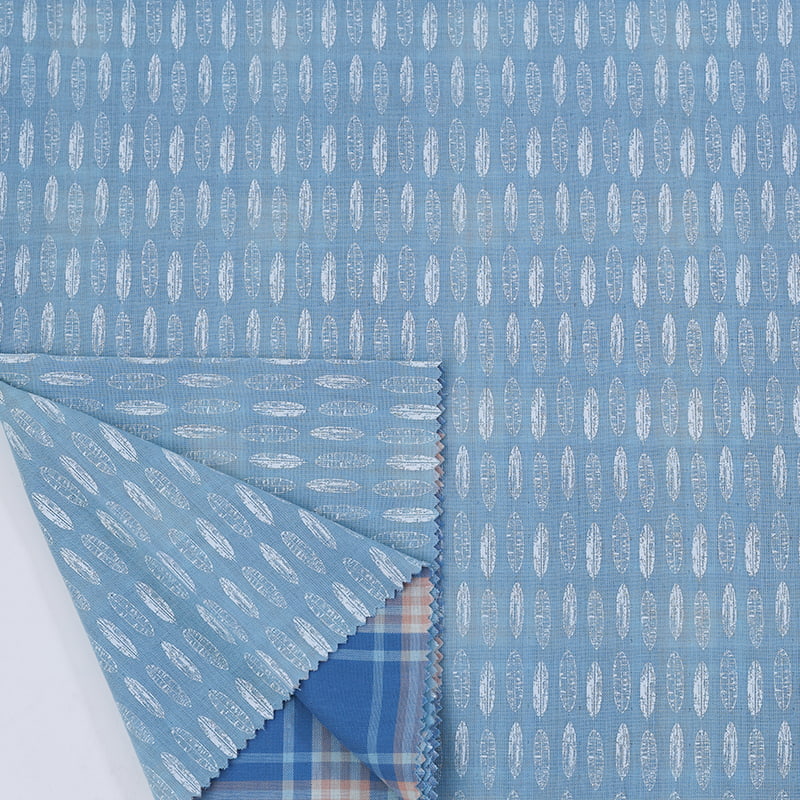
Unlike traditional single-layer textiles, double face fabric is constructed with two interconnected fabric surfaces. These layers may feature identical textures or completely different colors and patterns depending on the design objective. The result is a fabric that delivers improved thickness, softness, thermal insulation, and visual sophistication without excessive weight.
One of the main reasons fashion manufacturers favor double face fabric is its ability to create premium garment structure with reduced bulk and enhanced comfort. In many outerwear applications, double face textiles allow producers to simplify garment construction while still maintaining a refined appearance.
The growing demand for versatile, comfortable, and visually appealing textiles continues to expand the role of double face fabric across both luxury fashion and large-scale apparel manufacturing sectors.
Double Face Fabric Construction Improves Both Appearance and Functionality
The structure of double face fabric differs significantly from ordinary woven or knitted materials. Two fabric layers are combined during production through specialized weaving or knitting techniques that create a unified textile system.
Dual-Sided Surfaces Increase Design Flexibility
Both sides of double face fabric can serve as exterior surfaces, allowing designers to create reversible garments or decorative contrast details. This feature improves production flexibility and consumer value.
Integrated Construction Reduces the Need for Additional Linings
Because the fabric already contains two finished surfaces, many garments require fewer internal lining materials. This can simplify sewing processes and reduce total garment weight.
Balanced Thickness Improves Garment Structure
Double face fabric often provides better drape and shape retention than thinner single-layer textiles. This characteristic is especially important in coats and structured fashion pieces.
Soft Surface Texture Enhances Wearing Comfort
Many double face textiles are engineered with soft fiber blends that improve tactile comfort while maintaining visual elegance.
| Feature | Functional Benefit | Industry Value |
|---|---|---|
| Dual-Sided Construction | Reversible usage | Expanded garment design |
| Integrated Layers | Reduced lining requirement | Lower production complexity |
| Improved Thickness | Better structure | Premium garment appearance |
| Soft Surface Texture | Enhanced comfort | Higher customer satisfaction |
Outerwear Production Drives Strong Demand for Double Face Fabric
Outerwear manufacturing represents one of the largest application areas for double face fabric because the material offers warmth, structure, and visual refinement simultaneously.
Coats Benefit from Improved Thermal Performance
The dual-layer structure traps air more effectively than many lightweight single-layer fabrics. This helps improve thermal insulation while maintaining a relatively elegant silhouette.
In cold-weather garments, double face fabric can improve warmth retention by 15% to 30% compared with thinner traditional outerwear materials of similar weight categories.
Reduced Bulk Improves Wearability
Heavy insulation and multiple lining layers can make garments stiff and uncomfortable. Double face construction helps reduce unnecessary layering while preserving warmth and structure.
Premium Appearance Supports Luxury Fashion Markets
Fashion producers often select double face fabric because clean interior finishing creates a polished, high-value appearance suitable for premium apparel collections.
Improved Drape Enhances Garment Shape
The balanced structure of double face textiles allows garments to maintain smooth lines and elegant draping characteristics.
- Enhanced warmth without excessive weight
- Reduced need for internal lining layers
- Improved visual sophistication
- Better drape and garment structure
Fiber Selection Influences Performance and Texture
The final performance of double face fabric depends heavily on fiber composition, yarn structure, and finishing processes.
Wool Blends Improve Insulation and Softness
Wool-based double face fabrics are frequently used in winter outerwear because they provide natural warmth and premium texture characteristics.
Polyester Fibers Enhance Durability
Polyester content can improve abrasion resistance, wrinkle resistance, and dimensional stability in commercial garment applications.
Viscose Components Improve Drape
Viscose fibers contribute softness and flowing movement, making them useful in fashion garments requiring elegant draping behavior.
Stretch Fibers Increase Wearing Comfort
Elastane and similar stretch fibers improve mobility and flexibility in fitted garments and active fashion products.
| Fiber Type | Primary Advantage | Typical Application |
|---|---|---|
| Wool | Thermal insulation | Winter coats |
| Polyester | Durability | Commercial apparel |
| Viscose | Smooth drape | Fashion garments |
| Stretch Fiber | Flexibility | Fitted clothing |
Advanced Manufacturing Technology Improves Fabric Precision
Modern textile manufacturing systems have significantly improved the consistency and production efficiency of double face fabric.
Computerized Knitting Systems Improve Accuracy
Digital knitting and weaving systems help manufacturers maintain stable fabric density, pattern alignment, and structural balance.
Precision Bonding Enhances Layer Stability
Some double face fabrics use specialized bonding or interlocking systems that improve structural integrity without sacrificing softness.
Automated Inspection Reduces Defect Rates
Automated textile inspection technologies help identify weaving irregularities, yarn defects, and color inconsistencies before shipment.
Finishing Treatments Improve Surface Quality
Brushing, steaming, and softening treatments help refine the texture and appearance of double face fabrics for high-end apparel applications.
Modern finishing technology can improve surface smoothness by 20% or more compared with untreated textile surfaces in certain production categories.
Fashion Designers Value Reversible and Minimalist Construction
Double face fabric supports several important fashion trends, including minimalist construction, multifunctional garments, and premium comfort-focused design.
Reversible Garments Increase Consumer Value
Garments made with double face fabric may offer two different visual appearances within a single product, increasing versatility for consumers.
Minimalist Construction Creates Cleaner Designs
Because both fabric surfaces are visually finished, designers can reduce internal seams and bulky lining systems.
Soft Textiles Support Comfort-Focused Fashion
Modern consumers increasingly prioritize comfort alongside visual appearance, especially in premium outerwear categories.
Neutral Color Palettes Highlight Fabric Texture
Double face fabrics are often produced in subtle tones that emphasize texture, layering, and construction quality rather than excessive surface decoration.
- Reversible styling increases garment versatility
- Cleaner construction improves appearance
- Soft surfaces enhance user comfort
- Textured fabrics support minimalist fashion trends
Sustainability Goals Are Influencing Double Face Fabric Development
Sustainability has become an important consideration in textile manufacturing, and double face fabric producers are increasingly adapting production methods to meet environmental expectations.
Reduced Lining Usage Lowers Material Consumption
Because double face textiles can replace separate lining systems, some garments require fewer total materials during manufacturing.
Longer Garment Lifespan Supports Sustainable Consumption
High-quality double face garments often maintain appearance and structure for extended periods, helping reduce replacement frequency.
Recycled Fibers Are Becoming More Common
Textile producers increasingly incorporate recycled polyester and regenerated fibers into double face fabric production systems.
Efficient Manufacturing Reduces Production Waste
Digital cutting and automated production planning help reduce material waste during garment manufacturing processes.
Some advanced textile facilities report production waste reductions of 10% to 18% after implementing automated fabric optimization systems.