English
 中文简体
中文简体 Español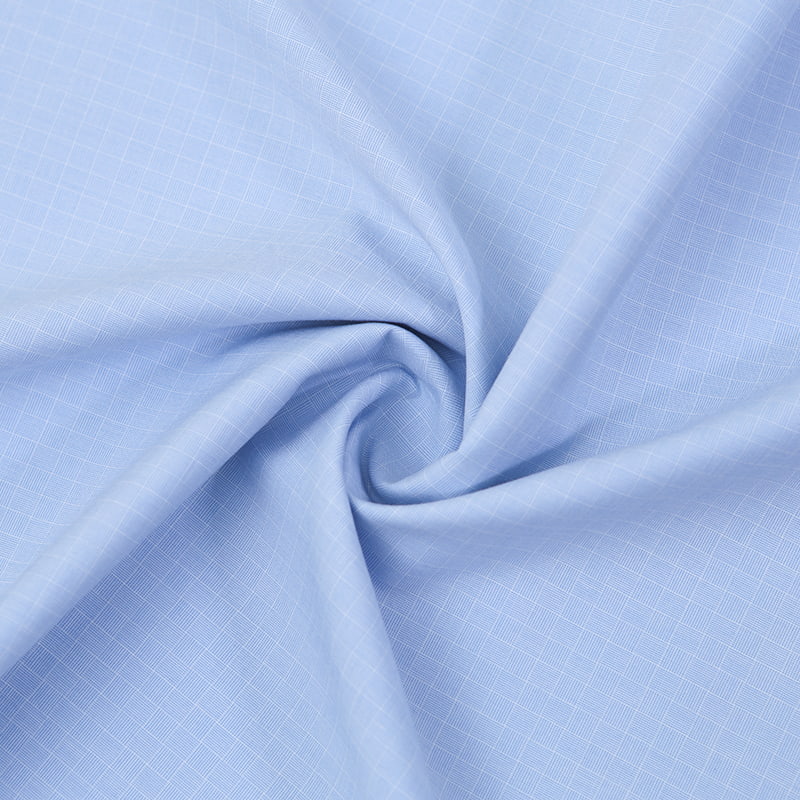

Linen Fabric: The Definitive Guide to Nature's Most Sustainable Textile Linen fabric stands as the most breathable, durable, and environmentally su...
READ MORECompany
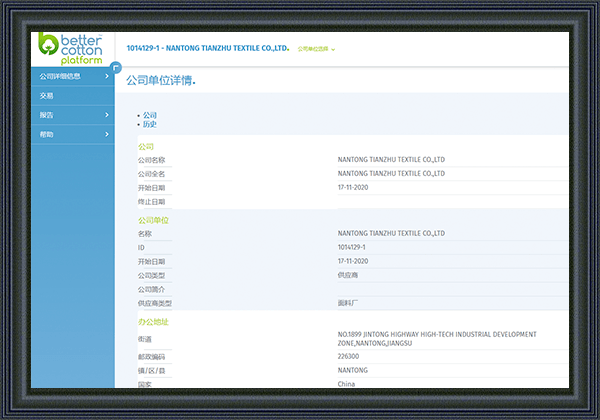
Nantong Tianzhu Textile Co., Ltd
As China Men Clothing Fabric Suppliers and Men Wear Fabric Factory, Nantong Tianzhu Textile Co., Ltd is a professional enterprise engaged in diversified clothing lining fabrics and embroidery accessories. Our products include non-woven lining fabric, woven adhesive lining fabric, hydroentangled lining fabric, circular mesh lining fabric, warp knitted lining fabric, horsehair lining fabric, and embroidered lining fabric. We also provide high-quality materials such as non-woven fabric and plush base fabric. The company has obtained Oeko Tex Standard 100 certification and is committed to quality, sustainability, and innovative development.
Certificate Of Honor
News
-
-
In the realms of high-end fashion design, premium upholstery, and structural textile engineering, the choice of material construction dictates both ...
READ MORE -
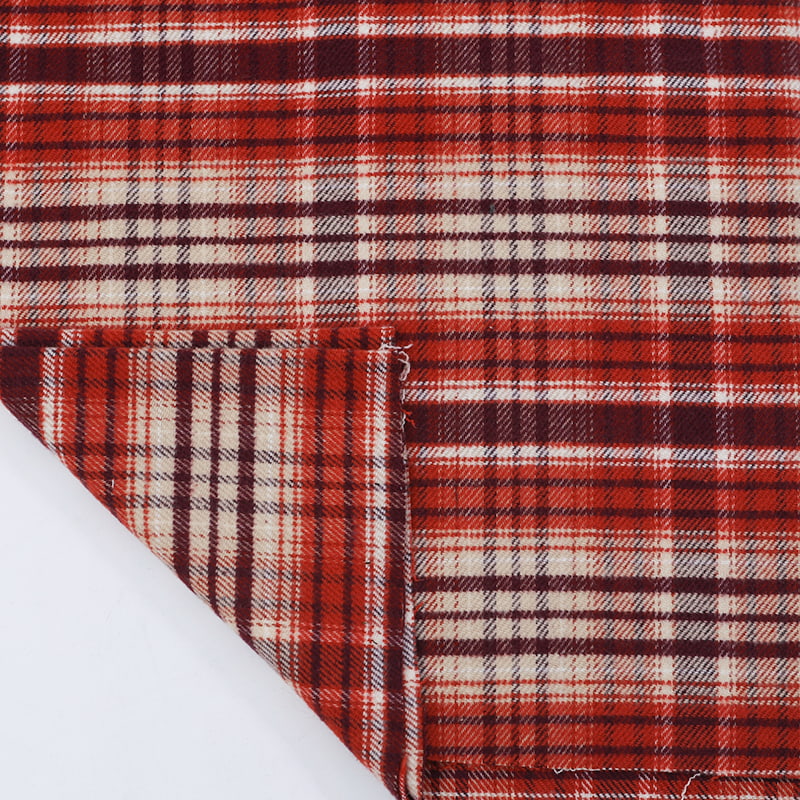
What is flannel fabric, in plain terms? It's any cotton, wool, or synthetic textile that's brushed or left unbrushed to create a soft, insulating su...
READ MORE -
The Technical Superiority of Twill-Woven Flannels In textile manufacturing and commercial apparel sourcing, twill flannel fabric represents the ideal...
READ MORE -
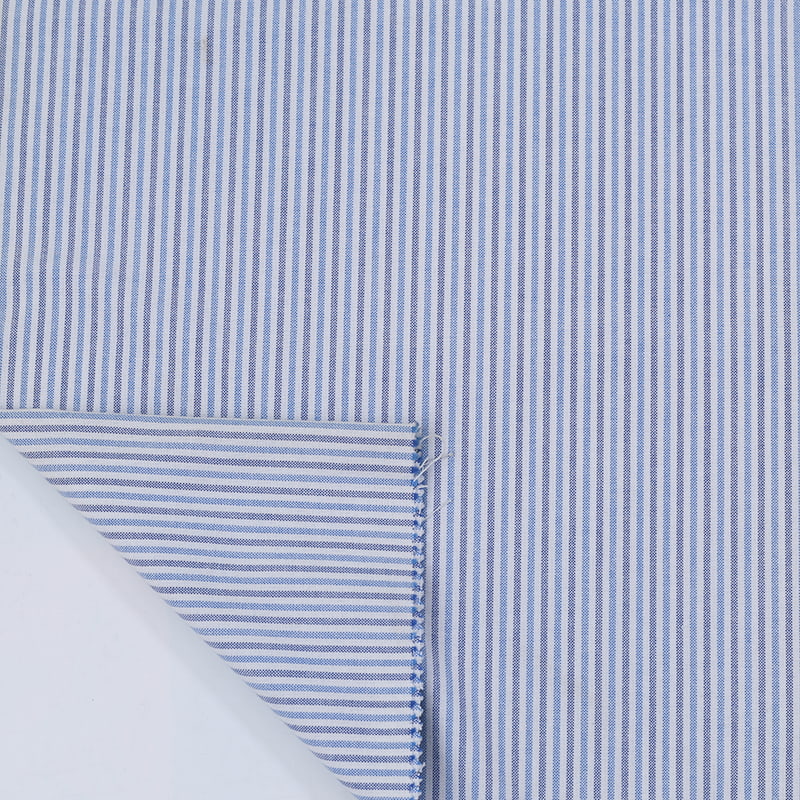
Poplin Is a Workhorse Fabric – Here’s Why Poplin fabric delivers a rare combination of durability, breathability, and a crisp hand feel that makes it...
READ MORE
Message Feedback
Men's Wear Industry knowledge
How Do Unseen Linings and Foundational Fabrics Determine the Shape, Durability, and Performance of Quality Men's Wear?
The true hallmark of exceptional Men's Wear is often found in elements that the casual observer never sees. Below the exterior fabric surface lies a complex architectural structure of linings, interlinings, and foundational base fabrics. These hidden components are the unsung heroes of tailoring, dictating the garment's permanent shape, its drape, its resistance to wear, and ultimately, its overall comfort and performance. The quality of these interior textiles transforms simple cloth into a structured, elegant piece of clothing.
The role of internal fabrics in Men's Wear construction is highly specialized, requiring precise material selection based on the desired function of the final garment:
Nonwoven and Woven Interlining Fabrics
Function: Interlinings are used to reinforce specific areas of a garment, such as collars, cuffs, pocket flaps, and waistbands, providing necessary rigidity and preventing stretching.
Nonwoven Lining Fabric: This type of lining is manufactured by bonding or tangling fibers together rather than weaving them. It offers good stiffness and stability, making it ideal for fused collars in shirts or specific reinforcement patches in casual Men's Wear. Its cost effectiveness and uniformity make it a staple.
Woven Adhesive Lining Fabric: This interlining is woven like traditional cloth but is coated on one side with a heat activated adhesive. When fused to the outer fabric, it locks the shape of the garment part, offering a better drape and hand feel than its nonwoven counterpart, which is critical for the front panels of formal jackets.
Structural Integrity in Tailored Clothing
Horsehair Lining Fabric: This is the gold standard for shaping the chest and lapel of high quality tailored suits. It is traditionally made from a blend of natural hair and other materials to provide resilient, three dimensional shape. This material allows the suit jacket to contour to the wearer's body while remaining lightweight and breathable. Its structure is essential for the long term life and appearance of the suit.
Warp Knitted Lining Fabric: Utilized extensively in sleeve linings and pocket bags, this textile is known for its elasticity and high tensile strength. Because it is knitted in the warp direction, it resists runs and snags while offering smooth mobility for the wearer. This allows the sleeve to slide easily over the shirt, contributing significantly to wearing comfort.
Hydroentangled and Circular Mesh Fabrics for Performance
Hydroentangled Lining Fabric: This modern textile is created using high pressure water jets to physically entangle fibers, avoiding chemical binders. This process yields a very soft, pure, and often sustainable fabric that is highly absorbent and breathable. It is increasingly used in performance Men's Wear and high end casual wear where skin contact comfort is paramount.
Circular Mesh Lining Fabric: Mesh linings are engineered primarily for ventilation and moisture management. The open knit structure promotes air circulation, making the garment significantly cooler and lighter. This is indispensable in active sportswear, lightweight jackets, and summer weight trousers to ensure comfort on humid and hot days. The mesh acts as a buffer layer, preventing the outer fabric from sticking to the skin.
Plush and Base Fabrics for Outerwear and Unique Textures
Plush Base Fabric: This material serves as the foundation for creating rich, soft textures often seen in high end outerwear or luxury casual Men's Wear, such as velvet or specialized fleece items. The quality of the base fabric determines the depth and resilience of the finished plush pile.
Nonwoven Fabric as a Base: Beyond interlining, certain durable nonwoven fabrics are used as primary construction materials, especially where light weight and high tear resistance are needed, such as in specialized technical apparel or luggage components that complement the Men's Wear collection.
The structural components discussed here are essential for garment longevity. High quality linings and interlinings resist shrinking and puckering when the garment is cleaned or exposed to humidity. The commitment to such detailed internal quality is what distinguishes premium Men's Wear from fast fashion alternatives, ensuring that the initial investment in the garment provides years of reliable service and maintained aesthetic appeal. The precision required to develop and manufacture these materials to meet global quality and sustainability certifications, such as the Oeko Tex Standard 100, highlights the complex and often overlooked foundation of the apparel industry.
In What Ways Do Advanced Textile Manufacturing and Quality Certifications Drive Innovation and Sustainable Practices in Modern Men's Wear Accessories?
The innovation in Men's Wear is no longer limited to exterior design trends; it is profoundly influenced by advancements in textile manufacturing and the increasing demand for sustainable and certified materials. The accessories and base fabrics used in modern clothing reflect a commitment to efficiency and environmental responsibility, ensuring that the garment not only looks good but is also ethically and sustainably sourced. This focus on foundational materials is driving the next generation of apparel development.
Embroidery Accessories and Aesthetic Precision
Embroidered Lining Fabric: While technically a lining, this category also includes specialized embroidery accessories that provide the stable backing required for intricate decorative work on Men's Wear. The quality of this base material is critical to prevent distortion or pulling of the outer fabric during the high speed stitching process.
Aesthetic Impact: High quality embroidery backing ensures that logos, crests, or decorative motifs on jackets, polo shirts, or caps maintain their crisp definition over time and through repeated laundering. The material must be strong yet easily removed or dissolved after the embroidery is complete, depending on the desired finish.
Commitment to Quality and Sustainability Standards
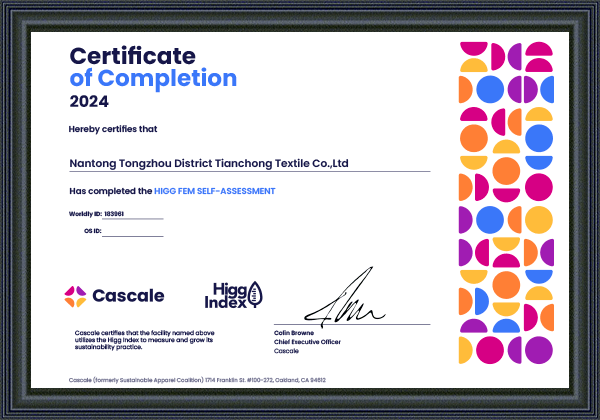
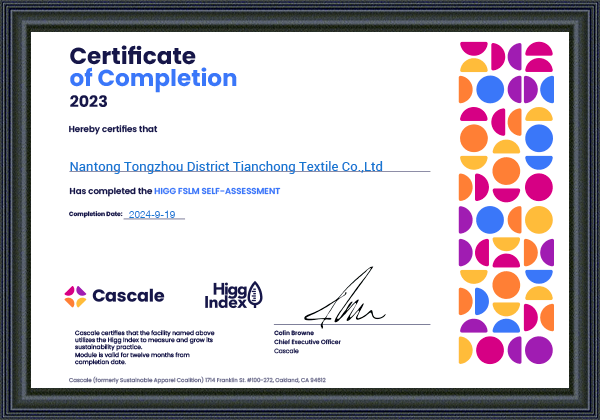
Oeko Tex Standard 100 Certification: The textile industry places a high premium on ensuring products are safe and free from harmful substances. Achieving the Oeko Tex Standard 100 certification signifies a commitment to consumer safety and responsible chemical usage throughout the production cycle. For Men's Wear, this certification provides assurance that the fabrics coming into direct contact with the skin, such as collar linings and pocket materials, meet stringent ecological requirements.
Sustainable Development: The commitment to quality extends beyond safety to sustainable development and innovative practices. This includes optimizing manufacturing processes to reduce water and energy consumption, and researching new fiber compositions that are more environmentally friendly. The use of hydroentangled processes, which minimize chemical use, is an example of this commitment in practice.
Manufacturing Expertise and Global Reach
The specialized nature of lining and accessory production requires significant capital investment in research and development and specialized machinery. These specialized materials are often supplied by highly focused textile providers. For example, the sophisticated array of foundational fabrics and accessories described here are expertly crafted by a professional Men's Wear lining fabrics and embroidery accessories enterprise located in Nantong. By focusing on essential products such as nonwoven lining fabric, woven adhesive lining fabric, and horsehair lining fabric, these manufacturers support garment factories across the globe.
Strategic Location: Companies strategically located near major shipping hubs benefit from easy access to global markets. This efficiency in logistics ensures that high quality materials can be quickly delivered to garment manufacturers worldwide, maintaining a streamlined supply chain essential for the fast paced fashion cycle of Men's Wear.
Innovation in Fiber and Textile Technology
Diversified Fabrics: The ability to offer diversified clothing lining fabrics and embroidery accessories allows designers of Men's Wear greater flexibility in creating new product lines. This includes experimenting with textiles that offer thermal regulation, enhanced moisture wicking, or antimicrobial properties integrated directly into the foundational lining structure.
Flexibility and Customization: Modern textile manufacturers are capable of producing custom weight and density variations of materials like nonwoven fabric and circular mesh lining fabric. This customization capability allows garment makers to fine tune the feel, drape, and performance of every garment, from a stiff, structured overcoat to a fluid, breathable summer shirt, all while maintaining the integrity of the Men's Wear construction principles.
In conclusion, the evolution of Men's Wear quality is intrinsically linked to the materials industry. The shift toward specialized, certified, and structurally innovative linings and base fabrics ensures that today's clothing is not only stylish but also durable, comfortable, and responsibly made. The meticulous development of these unseen materials is the key to maintaining the integrity and enduring appeal of modern male apparel.
- Get In Touch
-
- Address: 1899 Jintong Road, High tech Industrial Park, Nantong City, Jiangsu Province.
- Tel:+86-513-86326698
- Fax:+86-513-85260623
- Phone:+86-15371981208
- Email:[email protected]
- Quick Link
- Manufacturing
- Company
- Support
- News
- Contact
- Category