English
 中文简体
中文简体 Español
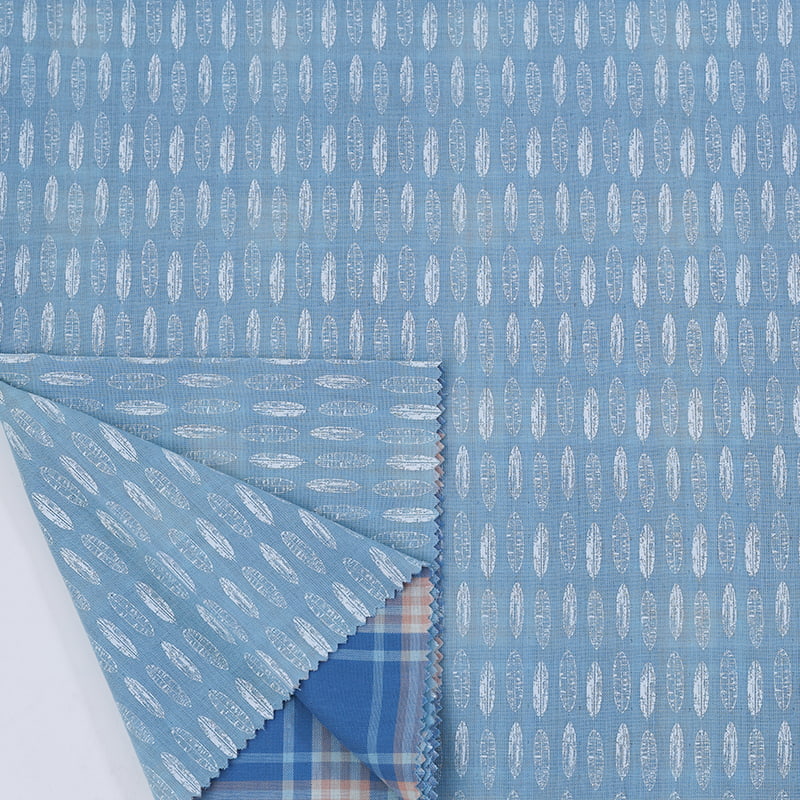
In the realms of high-end fashion design, premium upholstery, and structural textile engineering, the choice of material construction dictates both the structural integrity and the sensory value of the final product. When aiming to develop unlined garments or high-performance architectural drapes that demand aesthetic perfection on both sides, selecting a specialized weave architecture is paramount. Engineered double face fabric stands out as the ultimate luxury solution, delivering a single, unified material with two usable face sides through intricate interwoven yarn systems—outperforming basic double layer fabric options in drape, seam reduction, and overall tactile refinement.
Structural Engineering and Loom Mechanics
Understanding the distinction between these two high-value material classifications requires looking at the specialized loom mechanics utilized during production. A true double face fabric is woven on complex double-beam looms utilizing two complete sets of warp yarns and two complete sets of weft yarns. These two distinct cloth layers are intricately connected during the weaving process by a third, specialized system of binding warp or weft threads that interlock the structures at precise micro-intervals. This creates a single compound material that cannot be easily separated or delaminated without compromise.
A standard double layer fabric, while similar in appearance, represents a different mechanical category. It is created by weaving or knitting two distinct, independent layers of cloth simultaneously on a single machine, connected by looser floating threads, or by chemically bonding two existing fabrics post-production using thermal adhesives or polyurethane webs. The resulting textile is often noticeably stiffer and carries a higher risk of interlayer shifting or bubbling when subjected to repeated dry cleaning cycles or structural friction over time.
Comparative Analysis: Aesthetic and Performance Metrics
For fashion houses and luxury interior designers, the mechanical response of a textile dictates its utility across high-value applications. The lack of standard chemical adhesives or rigid bindings gives premium double-face weaves exceptional fluid drape and elasticity. This allows designers to eliminate internal linings entirely, producing unstructured winter coats, tailored blazers, and reversible garments that contour naturally to the body.
Conversely, double-layer variants excel in utilitarian environments where bulk thermal performance or physical barriers are required. For example, technical outwear and protective industrial acoustic drapes leverage the distinct physical pocket created between the two layers to trap static air, creating a natural thermal barrier. The following comparison highlights the technical parameters dividing these two advanced configurations:
| Performance Metric | Premium Double Face Fabric (Interwoven) | Standard Double Layer Fabric (Bonded/Floating) |
|---|---|---|
| Weave Architecture | Integrated compound structure with continuous binding yarns | Two independent layers joined by loose floats or adhesives |
| Structural Thickness | Highly calibrated, uniform, ranging from 1.2mm to 2.5mm | Variable thickness; can be bulky due to distinct dual layers |
| Drape Coefficient | Excellent fluidity; moves harmoniously with structural stress | Moderate to rigid; prone to creasing along bonding lines |
| Reversibility Options | Flawless on both faces; allows for contrasting colors or textures | Limited; backing side often shows stitching or adhesive points |
| Delamination Risk | 0% risk (Material is physically one integrated unit) | Variable (Adhesives degrade after 15-20 dry cleans) |
Tailoring Techniques and Manufacturing Economics
The financial investment required to process these materials highlights the split between automated production and bespoke craftsmanship. Working with a premium double face fabric requires specialized, labor-intensive tailoring techniques. Because the fabric is intended for unlined, reversible applications, standard raw edges cannot simply be surged or hemmed. Instead, artisans must manually split the two interwoven edges by approximately 1.5 to 2 centimeters using specialized splitting blades. The raw edges are then folded inward toward each other and meticulously blind-stitched by hand, creating a completely seamless finish.
This artisanal process increases production time by up to 300% per garment compared to a conventional lined jacket. However, the resulting premium is clear: the garment lacks heavy interior facings and bulk, reducing total garment weight by approximately 25% while maintaining excellent thermal insulative properties. Double-layer materials, when used in fast-turn luxury or bridge collections, are typically handled on automated production lines using standard flatlock seams or traditional enclosed lining procedures, making them far more cost-effective for large-scale production cycles.
Advanced Fiber Combinations for Elite Markets
The selection of raw materials used within these weave architectures dictates their adoption by high-value consumers. Premium double-face configurations typically leverage luxury natural animal fibers to maximize the inherent value of the complex weave:
- Pure Cashmere & Superfine Merino Wool Blend: Combines the exceptional thermal insulation and lightweight loft of cashmere on one face with the structural bounce and durability of 17.5-micron merino wool on the reverse side.
- Mulberry Silk & Wool Harmonization: Creates a striking aesthetic juxtaposition by weaving a lustrous, smooth silk satin face on one side and a matte, textured woolen twill on the other, ideal for evening capes and formal interior drapery.
- Alpaca & Mohair Infusions: Capitalizes on the long, glass-like fibers of alpaca to generate a deep, deep nap and water-repellent sheen on the exterior face, backed by a stabilizing wool foundation.
Sustainability and Longevity in Circular Economics
Modern luxury consumption is increasingly driven by durability, materials safety, and structural longevity. Because high-grade double-face structures avoid synthetic bonding films, they are far easier to recycle at the end of their lifecycle. Chemical adhesives used in multi-layer bonded fabrics often require harsh solvent separation processes, which degrade the natural wool or silk fibers and limit post-consumer recycling options.
Furthermore, the physical resilience of an interwoven structure ensures that the material resists pilling, stretching, and warping over decades of wear. The absence of an internal synthetic lining also eliminates static electricity generation, enhancing comfort and ensuring the textile remains a staple in luxury heirloom collections.
Frequently Asked Questions
How can a designer verify if a textile is a true interwoven double face fabric or a bonded double layer fabric?
A simple physical test involves pulling the two faces of the fabric apart at a cut edge. In a true interwoven system, you will feel distinct structural resistance and see tiny, uniform binding threads holding the two sides together. In a chemically bonded system, the layers will pull apart relatively smoothly, often revealing a thin film layer or dry adhesive residue between the plies.
Does double face fabric require special care protocols compared to standard woolens?
Yes, due to the hand-finished seams and lack of internal structural canvas or linings, these fabrics should always be professionally dry cleaned using mild solvents at low temperatures. Pressing should be executed using an iron shoe or a protective pressing cloth with low steam to avoid crushing the delicate internal binding yarns or causing iron shine on the face surfaces.
Can double layer fabric be utilized effectively in high-end acoustic and interior design projects?
Absolutely. While double-face options are preferred for apparel due to drape, double-layer variants are highly effective for sound-dampening panels and theatre curtains. The internal air pocket between the two distinct layers acts as an acoustic trap, disrupting sound wave propagation far more effectively than a single heavy layer of equal total weight.
Why are garments made from interwoven double face textiles often significantly more expensive?
The cost reflects both material rarity and artisanal labor. Weaving the compound structure requires advanced, slower-running electronic looms and meticulous quality control. Furthermore, finishing the garment requires master tailors to split the edges and hand-sew them closed, a process that cannot be automated by machinery.
Does the splitting and hand-sewing technique compromise the seam strength over time?
Not when executed correctly by a skilled artisan. Hand slip-stitching with high-tensile silk or mercerized cotton thread distributes stress evenly along the folded fabric edges. Because the two fabric layers are physically interwoven right up to the split point, the structural load is shared by the entire textile matrix rather than a single line of machine stitching.