English
 中文简体
中文简体 Español
Introduction to Seersucker Fabric
Seersucker fabric is a lightweight and breathable textile known for its distinctive puckered texture. This texture, achieved through a special weaving process, makes seersucker particularly well-suited for warm-weather clothing. It is commonly made from cotton, although blends with synthetic fibers may also be used to enhance the fabric's properties. Seersucker fabric's unique structure not only provides a characteristic aesthetic but also contributes to its comfort and durability. In this article, we will explore how the structural qualities of seersucker fabric, including cotton seersucker and embroidered seersucker, affect the wearability and longevity of garments made from this material.
The Weaving Process of Seersucker Fabric
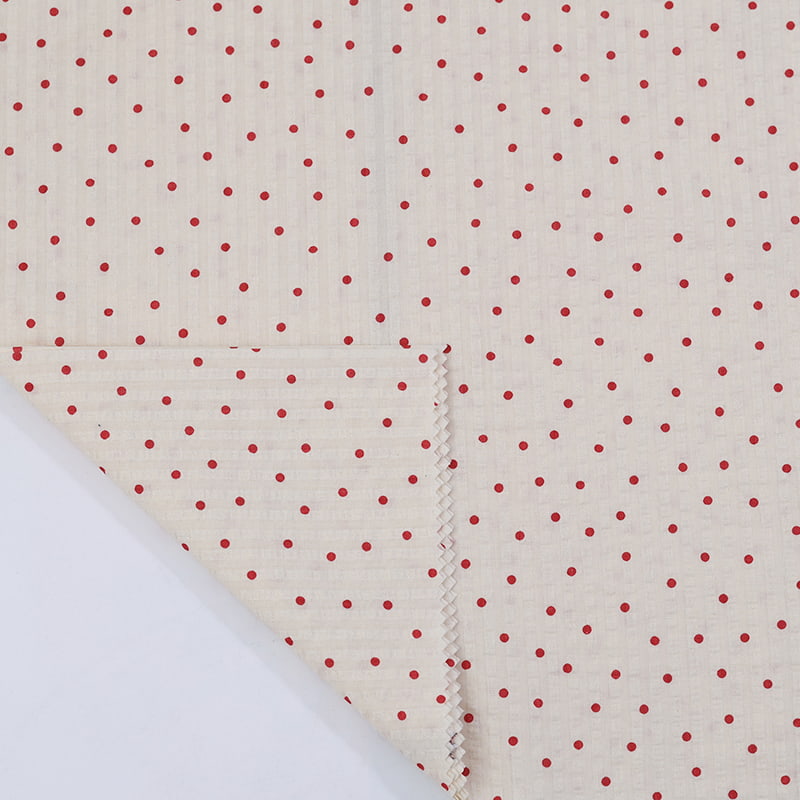
The defining feature of seersucker fabric is its texture, which is achieved through a special weaving technique. This process involves weaving alternating sections of threads under different tensions, creating a bumpy, puckered effect. The tension in the warp (lengthwise threads) and weft (crosswise threads) is varied during the weaving, resulting in certain areas that are pulled tighter than others. This uneven tension causes the fabric to have raised, crinkled sections interspersed with smoother areas.
The puckered nature of seersucker fabric creates small pockets of air between the fabric and the skin. These air pockets enhance the breathability of the fabric, allowing air to circulate freely. This makes seersucker an excellent choice for garments worn in hot and humid conditions, as it helps keep the wearer cool and dry. The structure also reduces the amount of fabric that comes into contact with the skin, minimizing moisture buildup and ensuring comfort throughout the day.
Comfort of Cotton Seersucker Fabric
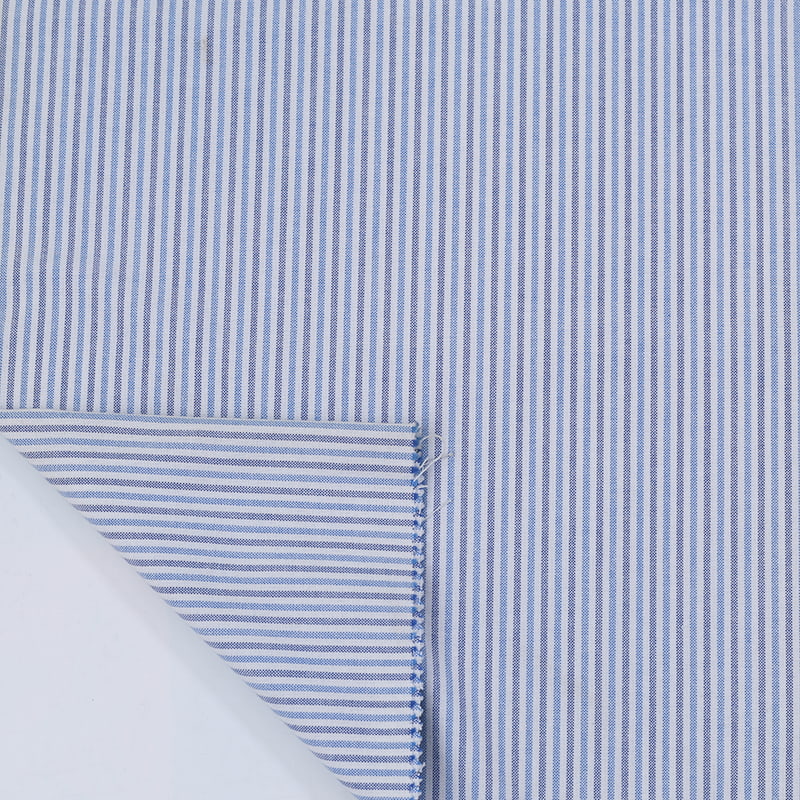
Cotton seersucker fabric, made from pure cotton fibers, is especially favored for its comfort. The natural properties of cotton, such as its softness and breathability, complement the unique structure of seersucker, resulting in a fabric that feels pleasant against the skin. Cotton seersucker is lightweight, which adds to its overall comfort by preventing the wearer from feeling weighed down, even in warm climates.
The breathability of cotton seersucker is one of its most important comfort-related features. The fabric's textured surface allows for air to circulate, helping regulate body temperature. This feature is particularly beneficial in hot weather, as it allows the body to stay cooler and prevents the fabric from sticking to the skin. In addition to its cooling properties, cotton seersucker is also moisture-wicking, drawing sweat away from the skin and allowing it to evaporate. This helps to keep the wearer dry and comfortable, even in humid conditions.
Comfort of Embroidered Seersucker Fabric
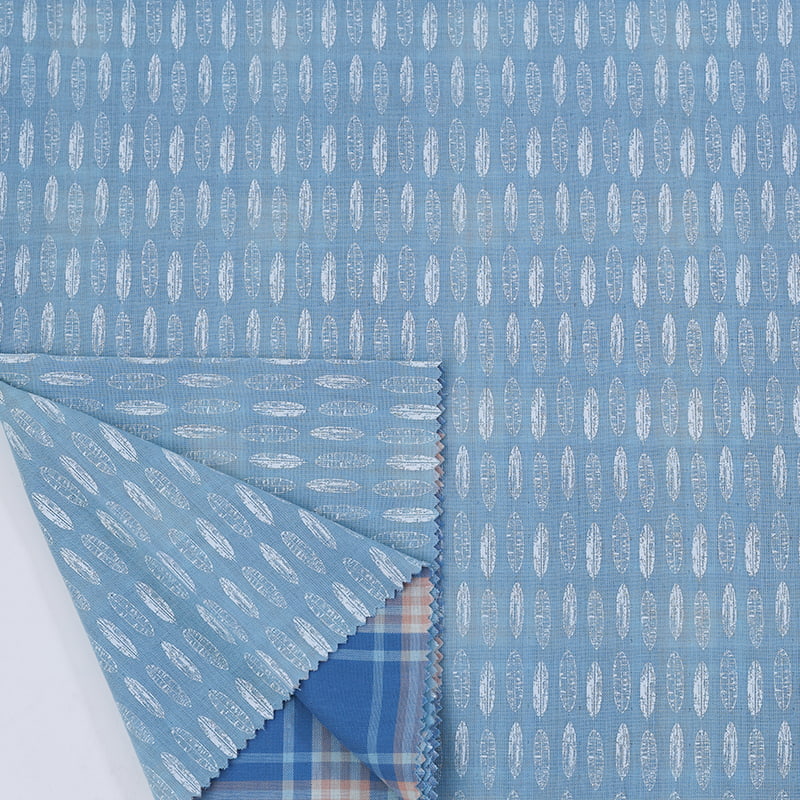
Embroidered seersucker fabric adds a decorative element to the traditional seersucker textile. The embroidery is typically done on the smooth portions of the fabric, leaving the puckered sections undisturbed. While the basic structure and comfort benefits of embroidered seersucker are similar to those of cotton seersucker, the addition of embroidery introduces a layer of complexity to the material’s texture. Embroidery adds a tactile dimension to the fabric, giving it an enhanced aesthetic appeal while maintaining the comfort provided by the seersucker weave.
The embroidered elements on seersucker fabric are often designed to be lightweight and unobtrusive, ensuring that the fabric remains comfortable and breathable. The raised embroidery does not compromise the fabric’s airflow, meaning that the wearer can still enjoy the cooling effects and moisture-wicking properties of seersucker, even when the fabric is decorated. This balance between aesthetics and comfort makes embroidered seersucker fabric an excellent choice for garments that require both style and wearability, such as summer dresses, shirts, and blouses.
Durability of Seersucker Fabric
Durability is a key consideration when selecting fabrics for everyday clothing. Seersucker fabric, particularly cotton seersucker, is known for its resilience and long-lasting qualities. The weaving technique used to create the puckered texture increases the fabric's resistance to wear and tear. Since the fabric does not lie flat against the body, it is less likely to experience friction-induced damage. This helps preserve the integrity of the material, even after frequent wear.
Cotton seersucker fabric is also relatively low-maintenance, as its texture naturally resists wrinkles. Unlike other fabrics that require constant pressing or steaming to maintain their appearance, seersucker retains its crinkled look, making it ideal for casual wear. This wrinkle resistance not only enhances the fabric's appearance but also contributes to its durability by reducing the need for frequent washing or pressing, which can cause the fabric to weaken over time.
Impact of Seersucker's Texture on Durability
The unique texture of seersucker fabric, with its alternating raised and smooth areas, plays a significant role in its durability. The puckered sections of the fabric experience less direct contact with the surface it is in contact with, whether that be the skin or another layer of fabric. This reduced friction helps prevent the fabric from wearing down or developing thin spots. The raised portions of the fabric act as a buffer, protecting the rest of the fabric from excessive stress and wear.
Additionally, the structural design of seersucker makes it naturally resistant to damage caused by heat and moisture. Because the fabric is designed to resist wrinkles, it is less likely to become misshapen after exposure to heat, whether from ironing or from wearing in a hot environment. This quality contributes to the fabric's long-term durability, making it an excellent choice for garments that will see frequent use, such as summer suits, shirts, and casual jackets.
Moisture Management and Breathability
Seersucker fabric's ability to manage moisture plays a key role in both its comfort and durability. The puckered texture allows air to circulate freely between the fabric and the skin, which helps keep the body cool and dry. In warm and humid climates, this is particularly important, as it helps prevent moisture from becoming trapped against the skin, which can lead to discomfort or even skin irritation. The breathable nature of seersucker fabric also ensures that moisture evaporates quickly, keeping the wearer comfortable throughout the day.
The moisture-wicking properties of cotton seersucker fabric help it absorb sweat from the body and release it into the air, where it can evaporate. This keeps the fabric dry and prevents it from becoming saturated with moisture, which could otherwise lead to uncomfortable dampness or odors. By promoting airflow and moisture evaporation, seersucker fabric helps regulate the body's temperature, making it a suitable option for clothing worn in hot and humid environments.
Wrinkle Resistance and Low Maintenance
One of the most popular features of seersucker fabric, particularly in garments like shirts, dresses, and suits, is its resistance to wrinkles. The puckered texture of the fabric means that it naturally resists creasing, unlike other fabrics that require regular ironing to maintain their smooth appearance. This feature makes seersucker clothing ideal for travel, as the fabric retains its shape even after being packed or worn for long periods.
The wrinkle-resistant nature of seersucker fabric also contributes to its low-maintenance qualities. Garments made from seersucker typically require less care than those made from other materials, as they do not need to be constantly pressed or steamed. In addition to its wrinkle resistance, seersucker is also easy to care for in terms of cleaning. Most cotton seersucker fabrics are machine washable and require minimal special treatment, making them a practical choice for everyday wear.
Environmental Considerations of Seersucker Fabric
Seersucker fabric, particularly cotton seersucker, is a natural fabric that is biodegradable and made from renewable resources. The use of cotton, a fiber that can be grown and harvested annually, makes seersucker a more environmentally friendly option compared to synthetic fabrics. Additionally, the durability and low-maintenance nature of seersucker garments mean that they are likely to last longer, reducing the need for frequent replacements and contributing to a reduction in overall textile waste.
Consumers interested in environmentally conscious fashion choices can opt for organic cotton seersucker fabric, which is grown without the use of harmful pesticides or chemicals. This can further reduce the environmental impact of seersucker garments, ensuring that they are produced in an eco-friendly manner. By choosing seersucker fabrics made from sustainably sourced cotton or other natural fibers, consumers can enjoy the benefits of comfort, durability, and environmental responsibility.
The Influence of Seersucker's Structure on Comfort and Durability
The structure of seersucker fabric significantly impacts both its comfort and durability. The unique weaving technique that creates the puckered texture offers a combination of breathability, moisture-wicking, and air circulation, making it an ideal choice for warm-weather clothing. Cotton seersucker fabric enhances these properties with its soft, natural feel, while embroidered seersucker fabric adds a layer of visual interest without compromising comfort. Seersucker's ability to resist wrinkles, combined with its durability and low-maintenance qualities, makes it a practical and long-lasting option for a wide range of garments. Whether used in casual wear, formal attire, or travel clothing, seersucker remains a versatile fabric that offers both style and functionality.