English
 中文简体
中文简体 Español
Overview of Cotton Dobby Jacquard Fabric
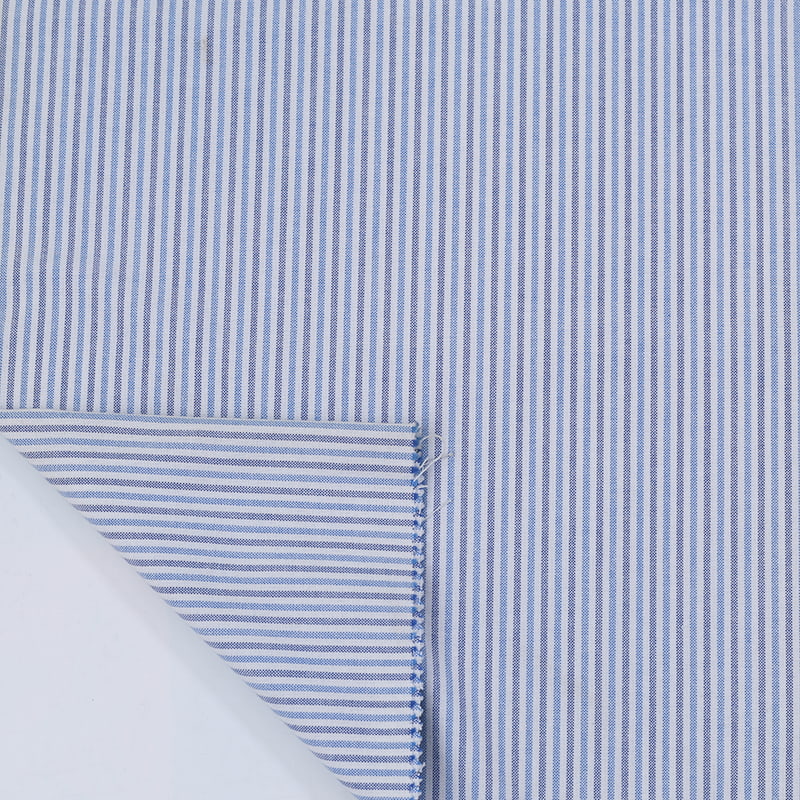
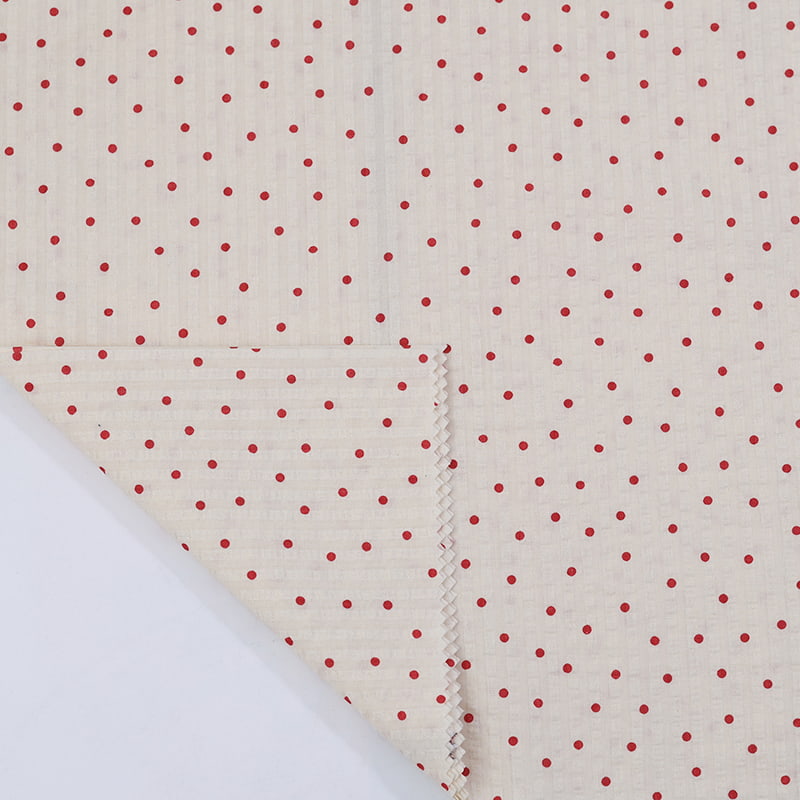
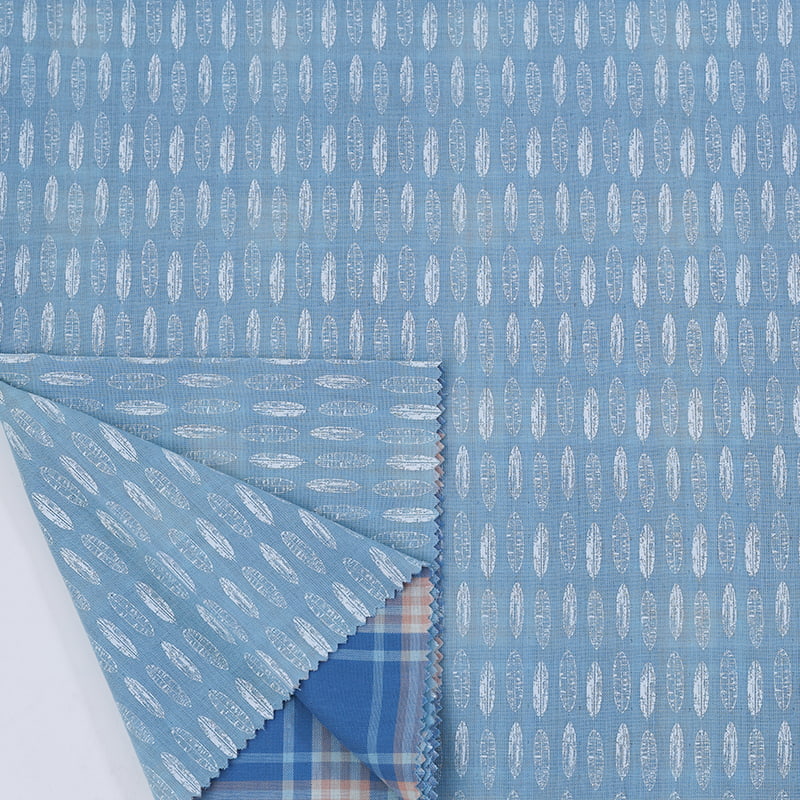
Cotton dobby jacquard fabric is widely used in apparel, home textiles, and decorative applications due to its combination of natural fiber comfort and intricate woven patterns. The dobby weave allows for the creation of stripes, geometric shapes, and textured designs within the fabric, producing a visually appealing and durable material. Striped dobby cotton fabric and other variations of cotton dobby jacquard fabric offer a balance of strength, softness, and aesthetic versatility. Understanding its abrasion resistance and tear strength is essential for evaluating its suitability for different uses.
Structure and Characteristics of Dobby Fabric
Dobby fabric is produced using a specialized loom that enables the creation of small, repetitive patterns and stripes. Cotton fibers provide natural softness, breathability, and moisture absorption, while the dobby weave introduces texture and dimensional stability. In cotton dobby jacquard fabric, the pattern is woven into the structure rather than printed on the surface, which helps maintain durability and resistance to surface wear. The density of the weave, yarn quality, and finishing processes all contribute to overall performance in terms of abrasion resistance and tear strength.
Abrasion Resistance of Cotton Dobby Jacquard Fabric
Abrasion resistance refers to the ability of the fabric to withstand surface wear caused by rubbing or friction. In striped dobby cotton fabric, the combination of interlaced yarns and tighter weave areas in patterned sections can improve resistance to abrasion. Fabrics with higher thread counts generally perform better under repeated friction, maintaining surface appearance and minimizing pilling. Finishing processes such as mercerization, singeing, or protective coatings may further enhance the fabric's ability to resist wear during everyday use.
Factors Affecting Abrasion Resistance
The abrasion resistance of cotton dobby jacquard fabric is influenced by fiber length, yarn twist, weave density, and surface finishing. Longer cotton fibers provide stronger yarns, which reduce breakage under friction. Higher yarn twist improves cohesion and prevents loose fibers from creating surface fuzz. Dense weave structures in dobby patterns distribute frictional forces more evenly, prolonging fabric life. Surface treatments can provide additional protection, particularly in applications where the fabric experiences repeated contact or stress.
Tear Strength of Cotton Dobby Jacquard Fabric
Tear strength measures the ability of the fabric to resist the propagation of a cut or puncture. Cotton dobby jacquard fabric exhibits moderate to high tear strength due to the interlaced pattern of warp and weft yarns, which distribute stress across multiple threads. Striped dobby cotton fabric, with its repetitive pattern, can provide reinforcement in areas of higher tension, reducing the likelihood of tear propagation. Tear strength is critical in applications such as home textiles, workwear, and garments that undergo mechanical stress or stretching.
| Property | Influencing Factors | Expected Performance |
| Abrasion Resistance | Fiber length, yarn twist, weave density, finishing | Resists surface wear, minimizes pilling, maintains visual appearance |
| Tear Strength | Interlacing pattern, yarn cohesion, density, pattern reinforcement | Resists propagation of cuts and punctures, maintains structural integrity |
Influence of Yarn Quality
The quality of cotton yarns used in dobby fabric significantly affects both abrasion resistance and tear strength. Longer-staple fibers produce smoother, stronger yarns, which reduce susceptibility to wear and improve tear resistance. Short fibers may lead to fuzz formation on the surface and lower structural strength. Twisting yarns to the optimal degree enhances cohesion, preventing individual fibers from loosening under mechanical stress. High-quality yarn selection is therefore a key factor in achieving durable cotton dobby jacquard fabric.
Impact of Weave Density and Pattern
The density of the weave and the complexity of the jacquard pattern influence how the fabric responds to friction and mechanical stress. Denser areas within the dobby weave can absorb abrasion more effectively, while looser sections may show signs of wear sooner. The jacquard pattern introduces natural reinforcement, particularly in striped dobby cotton fabric, where alternating warp and weft interactions distribute forces and reduce localized tearing. Careful pattern design helps optimize both visual appeal and functional performance.
Effect of Finishing Treatments
Finishing treatments applied to cotton dobby jacquard fabric can enhance durability and performance. Mercerization strengthens cotton fibers, improving tear strength and resistance to abrasion. Singeing removes surface fuzz, reducing pilling and wear under friction. Additional protective finishes, such as anti-pilling or durable press treatments, can further extend the functional life of the fabric. Proper finishing ensures that the dobby pattern remains visually distinct while providing reliable mechanical properties.
Applications Requiring High Abrasion Resistance
Cotton dobby jacquard fabric is suitable for applications where surface wear is a concern, including upholstery, bags, and frequently worn garments. Striped dobby cotton fabric used in jackets, shirts, or pants benefits from its inherent abrasion resistance, maintaining both appearance and texture during repeated use. Industrial or decorative applications also benefit from the combination of durable weave structure and the integrated jacquard pattern, ensuring that surface wear does not compromise functionality or visual appeal.
Applications Requiring High Tear Strength
Tear strength is particularly important in fabrics used for functional or heavy-duty purposes, such as workwear, bedding, and interior furnishings. Cotton dobby jacquard fabric distributes mechanical stress through its interlaced structure, reducing the likelihood of catastrophic tearing. Striped dobby cotton fabric provides reinforcement in patterned areas, helping prevent small cuts from propagating. The combination of strong yarns, tight weave, and patterned design ensures reliable performance in applications subjected to tension or puncture.
Testing Methods for Performance Evaluation
The abrasion resistance and tear strength of cotton dobby jacquard fabric are commonly evaluated using standardized testing methods. Abrasion resistance may be measured with a Martindale or Taber tester, simulating repeated friction to assess surface wear and pilling. Tear strength can be tested using tongue tear or Elmendorf tear methods, which determine the force required to propagate a cut in the fabric. Test results guide material selection, design optimization, and quality control for striped dobby cotton fabric and other cotton dobby jacquard fabrics.
Influence of Environmental Factors
Environmental conditions such as humidity, washing frequency, and exposure to mechanical stress can affect the abrasion resistance and tear strength of cotton dobby jacquard fabric. High humidity may temporarily reduce fiber strength, while repeated laundering can cause minor fiber abrasion over time. The integrity of the dobby weave helps maintain the pattern and mechanical properties despite these conditions, particularly when fabric care instructions are followed. Proper maintenance ensures long-term durability and preserves both functional and aesthetic qualities.
Integration of Yarn, Weave, and Finishing
The overall performance of cotton dobby jacquard fabric results from the integration of high-quality cotton yarns, the structural stability of the dobby weave, and carefully selected finishing treatments. This combination enhances abrasion resistance, tear strength, and pattern durability. Striped dobby cotton fabric maintains visual clarity and structural integrity across diverse applications, demonstrating the effectiveness of coordinated material selection, weaving precision, and post-weaving finishing processes.
Field Performance and Usage Experience
In practical applications, cotton dobby jacquard fabric exhibits consistent performance with minimal surface wear and sustained tear strength. Garments, upholstery, and decorative textiles maintain structural integrity and pattern clarity even with frequent handling and cleaning. Striped dobby cotton fabric continues to perform reliably over time, indicating that the combination of yarn quality, weave design, and finishing processes supports both functional durability and aesthetic appeal in real-world usage.