English
 中文简体
中文简体 Español
If you’ve ever shopped for casual shirts, summer dresses, or lightweight upholstery, you might have asked:
“What exactly is chambray, and why does it keep showing up everywhere?”
It’s a fair question. Chambray has been around for decades, but it’s making a real comeback thanks to its versatility, comfort, and timeless style.
What Is Chambray Fabric?
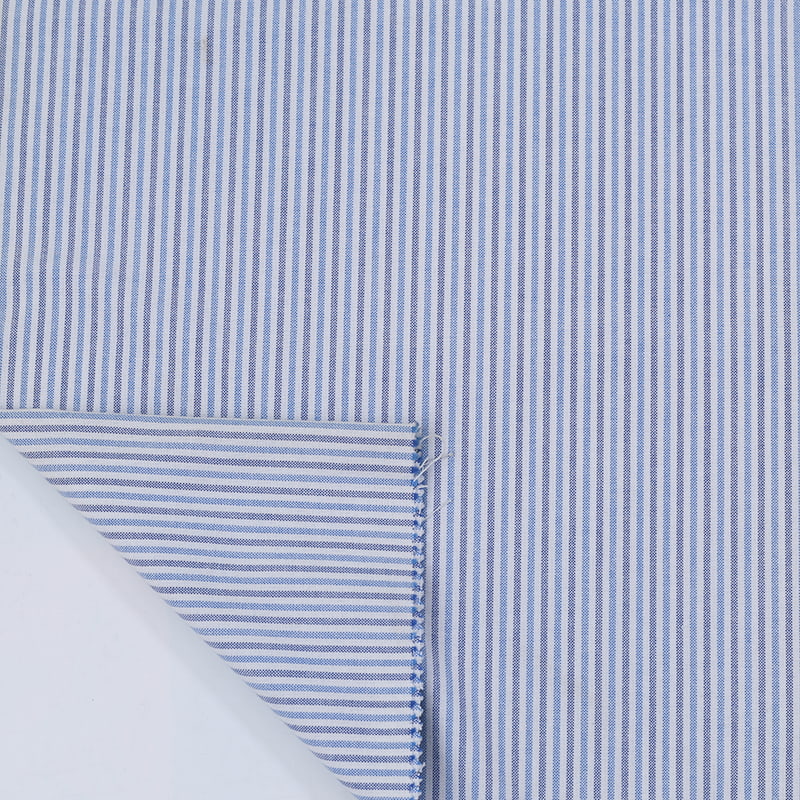
Chambray is a lightweight, plain-weave fabric usually made from cotton or a cotton blend. It looks a bit like denim but is much softer and breathable.
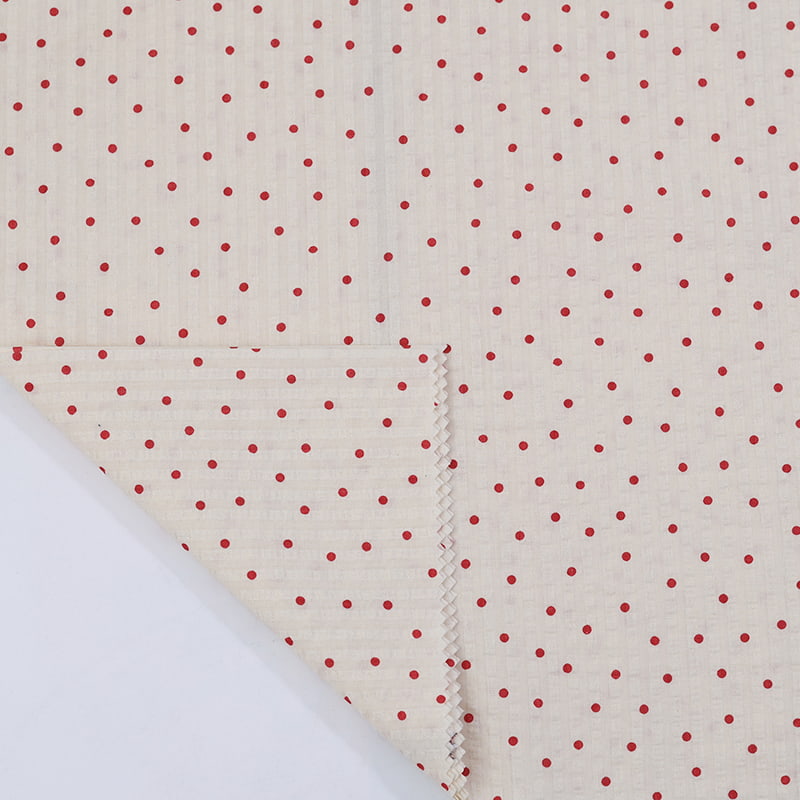
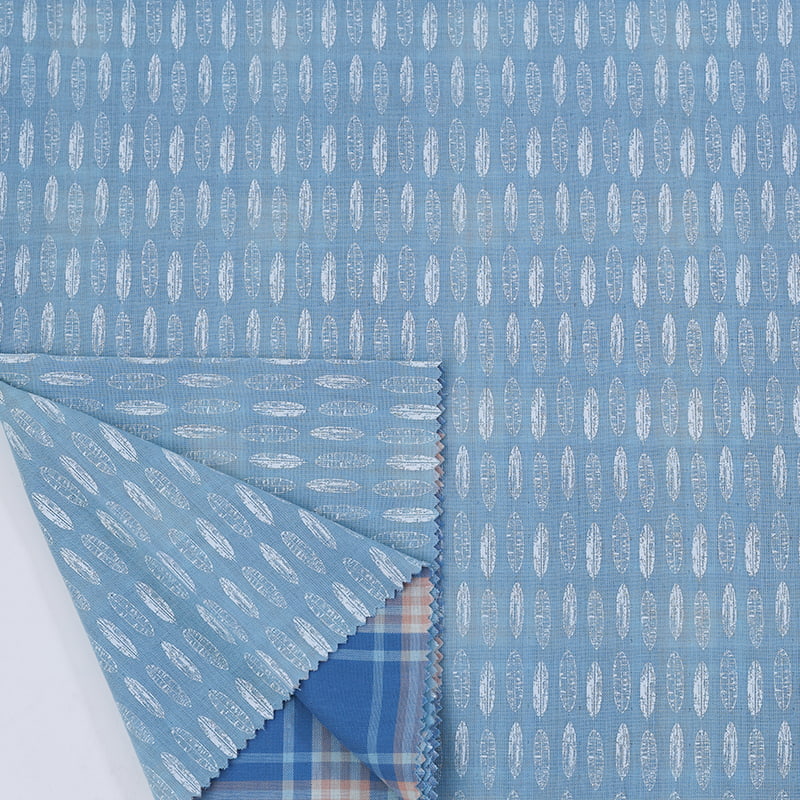
Cotton chambray printed fabrics are chambray materials that feature patterns — from floral designs to geometric shapes — applied directly to the soft cotton base. This allows for both style and comfort without adding weight or stiffness.
In short, chambray gives you the denim look without the heaviness, and printed versions let you play with patterns and color.
Why Does This Matter?
Customers often wonder why they should choose chambray over other fabrics like cotton, linen, or denim. The reasons are practical:
- - Lightweight and breathable, perfect for warm weather
- - Soft and comfortable for direct skin contact
- - Stylish yet casual — looks good for both workwear and leisure
- - Versatile for both apparel and light home textiles
Manufacturers appreciate chambray for its ease of dyeing, printing, and finishing, which allows for consistent quality and vibrant patterns.
When Do People Use Chambray Fabrics?
Chambray is ideal for many situations, especially where comfort and style matter:
- - Summer shirts, blouses, and dresses
- - Casual pants and skirts
- - Children’s clothing thanks to softness and breathability
- - Light curtains, pillow covers, and home decor projects
- - Accessories like scarves, headbands, or tote bags
Printed cotton chambray gives extra visual appeal, making it suitable for fashion-forward designs or decorative home textiles.
How Does Chambray Fabric Work?
It might seem simple, but the construction and weaving make a big difference.
Plain Weave Structure
Chambray is woven with a colored warp (lengthwise threads) and a white or lighter weft (crosswise threads). This gives it a soft sheen and a denim-like appearance without the thickness.
Breathability
The lightweight weave allows air circulation, making it comfortable in hot weather.
Printability
Printed cotton chambray takes patterns beautifully because the smooth surface absorbs dyes evenly. You can have floral, geometric, or custom designs without affecting the fabric’s softness.
Durability
Despite being light, chambray is strong enough for everyday wear, especially when made with high-quality cotton fibers.
What Are the Advantages?
Why do manufacturers and consumers keep choosing chambray?
Comfort
Soft against the skin, breathable, and lightweight — ideal for summer wear.
Stylish Look
Denim-like appearance without weight; printed chambray adds patterns and color.
Versatility
Suitable for casual wear, children’s clothing, home textiles, and accessories.
Easy to Handle in Production
Chambray is easy to cut, sew, and print on, reducing manufacturing difficulties.
What Are the Trade-Offs?
No fabric is perfect. Here are some considerations for chambray:
Wrinkling
Lightweight cotton tends to wrinkle, so garments may require ironing.
Shrinkage
Pre-washing or pre-shrinking is important, otherwise garments may shrink after the first wash.
Limited Weight
Not suitable for heavy-duty workwear or winter garments — it’s a summer-friendly fabric.
Print Fading
Printed chambray can fade if washed harshly; gentle washing is recommended.
What Should Buyers Pay Attention To?
When selecting chambray or printed cotton chambray, consider:
- - Fiber quality: long-staple cotton ensures softness and durability
- - Weave tightness: affects strength, opacity, and hand feel
- - Colorfastness for printed designs: ensures prints don’t fade quickly
- - Weight: choose appropriate gsm (grams per square meter) for the intended use
- - Finish: mercerized or pre-shrunk fabrics reduce wrinkling and shrinkage
One designer said it perfectly: “Chambray is like a blank canvas — soft, versatile, and easy to style.”
Final Thoughts: Is Chambray Fabric Still Worth It?
For manufacturers, designers, and end-users, chambray remains a reliable and stylish option. Lightweight, breathable, and easy to work with, it continues to meet the needs of apparel and home textile markets.
Printed cotton chambray adds another layer of creativity, making garments and products stand out without compromising comfort. If you’re looking for a fabric that balances fashion, function, and comfort, chambray deserves a place in your collection.