English
 中文简体
中文简体 Español
Characteristics of Linen Fabric
Linen fabric is a natural textile made from the fibers of the flax plant, known for its breathability, strength, and distinct texture. Linen fabric has a crisp hand feel and natural luster that makes it suitable for apparel, home textiles, and decorative applications. One notable property of linen fabric is its tendency to wrinkle due to the structure of flax fibers, which have low elasticity and do not readily return to their original shape after bending or folding.
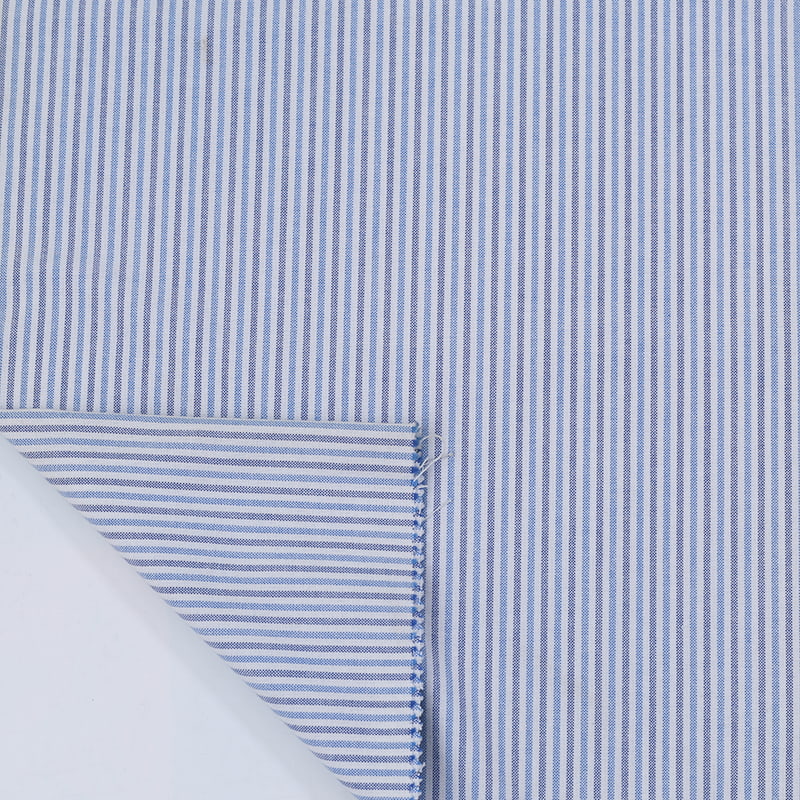
Different types of linen fabric, such as striped plaid linen fabric or linen blend fabric, exhibit varying degrees of wrinkling. Striped plaid linen fabric, due to its weave pattern and multiple fiber directions, may show more visible creases, while linen blend fabric, which incorporates synthetic fibers, generally has improved wrinkle resistance. Understanding the properties of each type helps in anticipating maintenance needs and selecting the most appropriate fabric for intended use.
Wrinkling Tendencies of Linen Fabric
Linen fabric wrinkles more easily than many other textiles because flax fibers have low elasticity. When pressure or tension is applied, the fibers bend and retain the deformed shape. This is especially noticeable in long pieces of fabric or garments, where folding, sitting, or compression during storage can result in visible creases. The natural stiffness of linen fabric enhances the appearance of wrinkles, which are often considered part of its aesthetic character.
While pure linen fabric exhibits more pronounced wrinkling, linen blend fabric benefits from added fibers such as polyester or viscose that provide elasticity and reduce crease formation. Similarly, patterned fabrics like striped plaid linen fabric may mask minor wrinkles due to the visual texture, though they still require attention to maintain a smooth appearance in formal or tailored garments.
Impact of Fabric Construction on Wrinkling
The weaving method and yarn structure influence how linen fabric responds to wrinkling. Loosely woven linen fabrics tend to crease more easily, while tightly woven fabrics maintain a slightly smoother surface under stress. Yarn thickness, twist, and finishing processes also contribute to wrinkle behavior. Striped plaid linen fabric, with its combination of dyed stripes and intersecting threads, may display wrinkling differently along various directions due to fiber orientation.
Linen blend fabric, which combines flax fibers with synthetic fibers, benefits from enhanced resilience. Synthetic fibers act as a spring-like component, helping the fabric return to its original shape after bending or folding. These construction differences provide options for consumers seeking linen aesthetics with reduced maintenance requirements.
Care Recommendations for Linen Fabric
Linen fabric requires careful handling to minimize wrinkling and maintain its visual quality. Washing in cold or lukewarm water with gentle detergents helps preserve fiber integrity. Avoiding excessive agitation and using mesh bags for delicate items reduces mechanical stress that contributes to wrinkles. Striped plaid linen fabric may require additional attention due to its patterned surface, which can show uneven creasing if not handled properly.
Drying methods also influence wrinkling. Air drying or laying flat to dry reduces the formation of deep creases, while machine drying can accelerate wrinkle formation if high heat or prolonged tumbling is used. Linen blend fabric generally tolerates more flexible drying conditions due to the stabilizing effect of synthetic fibers, making maintenance less demanding.
Ironing and Pressing Techniques
Ironing is often necessary for linen fabric to achieve a smooth appearance, particularly for formal garments or home textiles. Using a steam iron at moderate temperature, pressing the fabric while slightly damp, and working on the reverse side help minimize fiber stress and prevent damage. Striped plaid linen fabric may require careful alignment to preserve pattern straightness, while linen blend fabric may require lower heat settings to avoid synthetic fiber distortion.
Steamers can also be effective for reducing wrinkles without direct contact with the fabric surface. This method is especially useful for delicate garments or when quick wrinkle removal is desired. Understanding the fabric composition ensures that appropriate ironing or steaming techniques are applied to maintain both appearance and fiber integrity.
| Fabric Type | Wrinkling Tendency | Recommended Care |
|---|---|---|
| Pure Linen Fabric | High, noticeable creases | Gentle washing, air drying, steam ironing |
| Striped Plaid Linen Fabric | Moderate to high, pattern may mask minor wrinkles | Careful handling, pattern alignment when ironing, moderate heat steam |
| Linen Blend Fabric | Lower, improved recovery due to synthetic fibers | Flexible washing, machine or air drying, lower heat ironing if needed |
Storage Considerations for Linen Fabric
Proper storage of linen fabric minimizes wrinkling and prolongs its lifespan. Hanging garments rather than folding reduces crease formation, while storing folded pieces with tissue paper between layers helps prevent sharp folds. Striped plaid linen fabric benefits from alignment of the pattern during storage to maintain visual uniformity, while linen blend fabric is less prone to deep creases, offering slightly easier storage options.
Maintaining a dry, well-ventilated storage environment also helps preserve fiber quality and reduces the risk of mildew, which can indirectly affect the fabric’s appearance and handle. Avoiding prolonged compression in drawers or boxes ensures that the fabric maintains its natural texture and minimizes post-storage ironing requirements.
Longevity and Wear Considerations
Wrinkling does not inherently reduce the durability of linen fabric, but repeated stress and improper care can affect fiber strength over time. Proper washing, drying, and ironing practices help maintain both the aesthetic qualities and structural integrity of linen fabric, striped plaid linen fabric, and linen blend fabric. Attention to care extends the usable life of garments and textiles, ensuring that their natural properties, including breathability and comfort, remain intact through regular use.
Practical Benefits of Linen Despite Wrinkling
Although linen fabric wrinkles easily, its natural texture and tactile qualities are valued in both fashion and home textiles. The visible creases are often considered part of the fabric’s character and may contribute to a relaxed, natural look in casual or contemporary designs. Striped plaid linen fabric offers additional visual interest, while linen blend fabric provides a compromise between aesthetic appeal and reduced maintenance, balancing appearance and practicality.
Consumer Awareness and Usage Tips
Understanding the wrinkling tendencies and care requirements of linen fabric enables consumers to make informed choices. Selecting appropriate fabric types, such as linen blend fabric for low-maintenance needs or striped plaid linen fabric for patterned design preference, ensures satisfaction with garment appearance and usability. Following recommended washing, drying, and ironing techniques preserves the fabric’s qualities, allowing consumers to enjoy the natural comfort and breathability of linen textiles with manageable maintenance.
Environmental Considerations in Linen Care
Linen fabric is a sustainable and biodegradable textile, and careful laundering practices contribute to its environmental benefits. Washing in cold water, avoiding excessive chemical use, and line drying reduce energy consumption and chemical runoff. Maintaining the fabric with minimal environmental impact aligns with the sustainable properties inherent in natural linen fibers, while still addressing wrinkling and care needs.