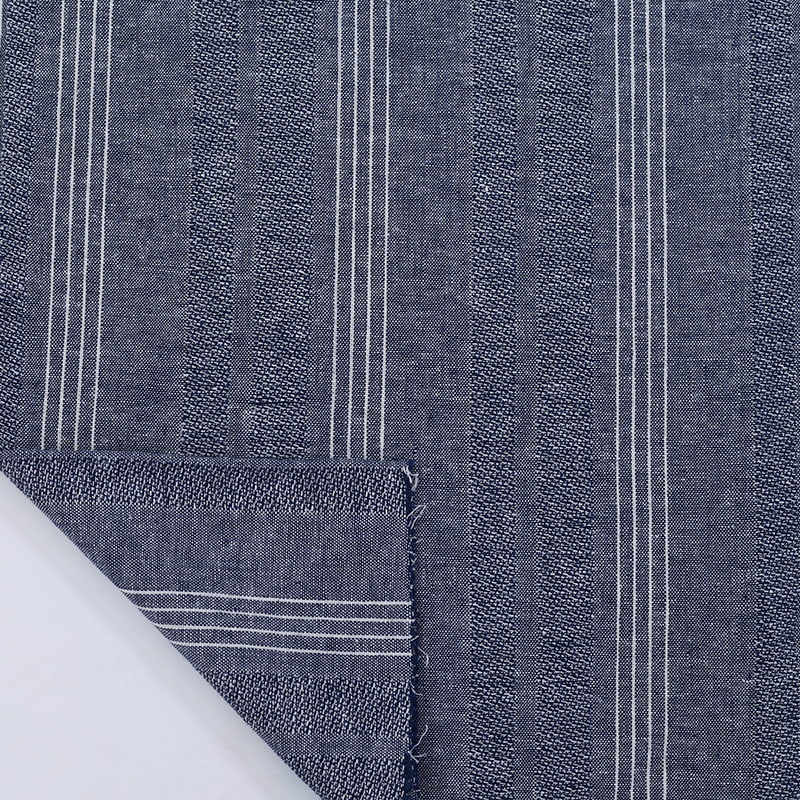
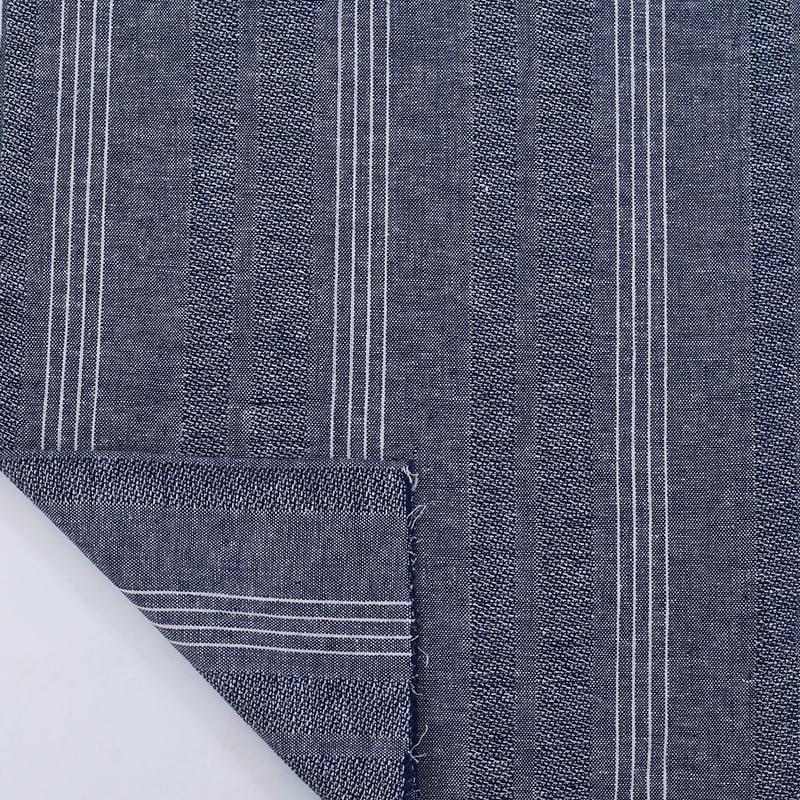
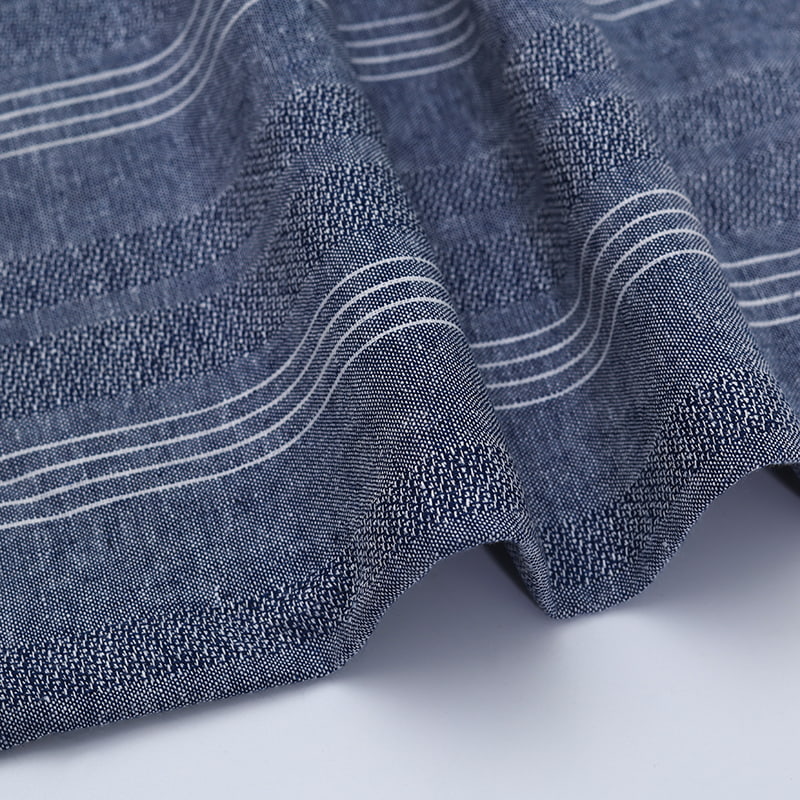
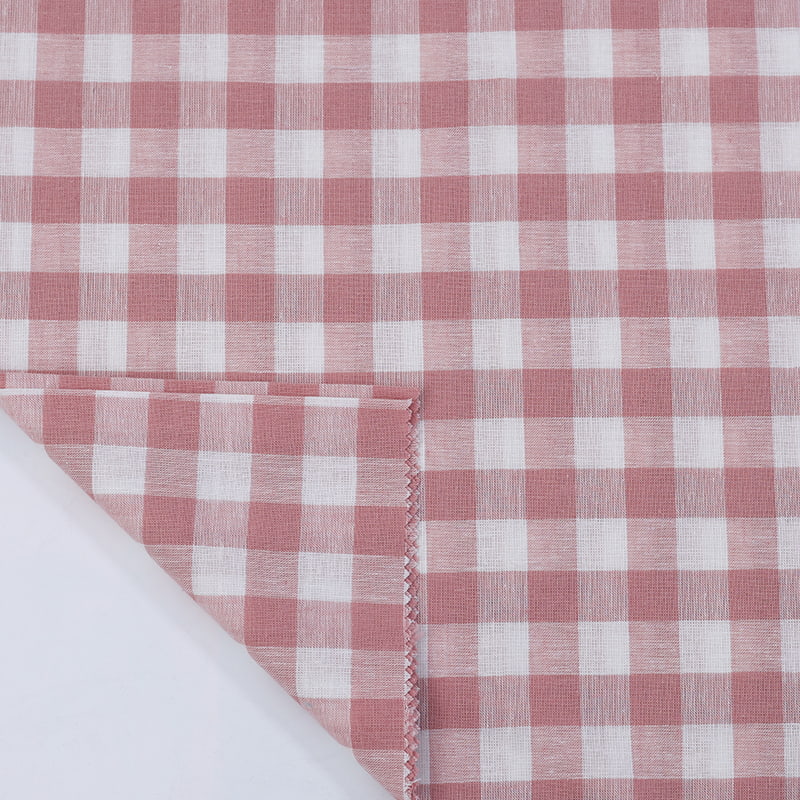
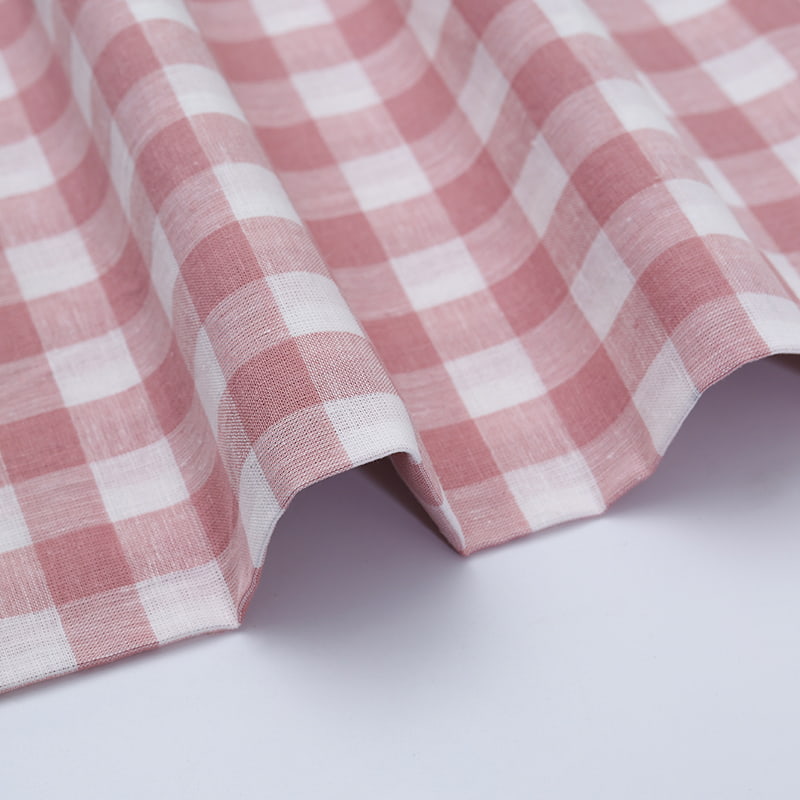
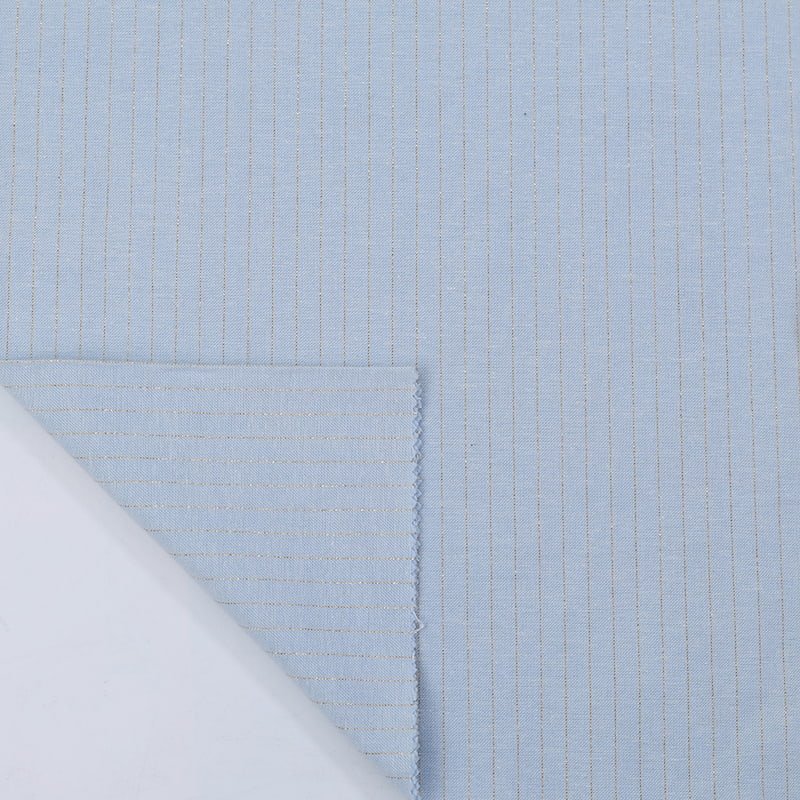
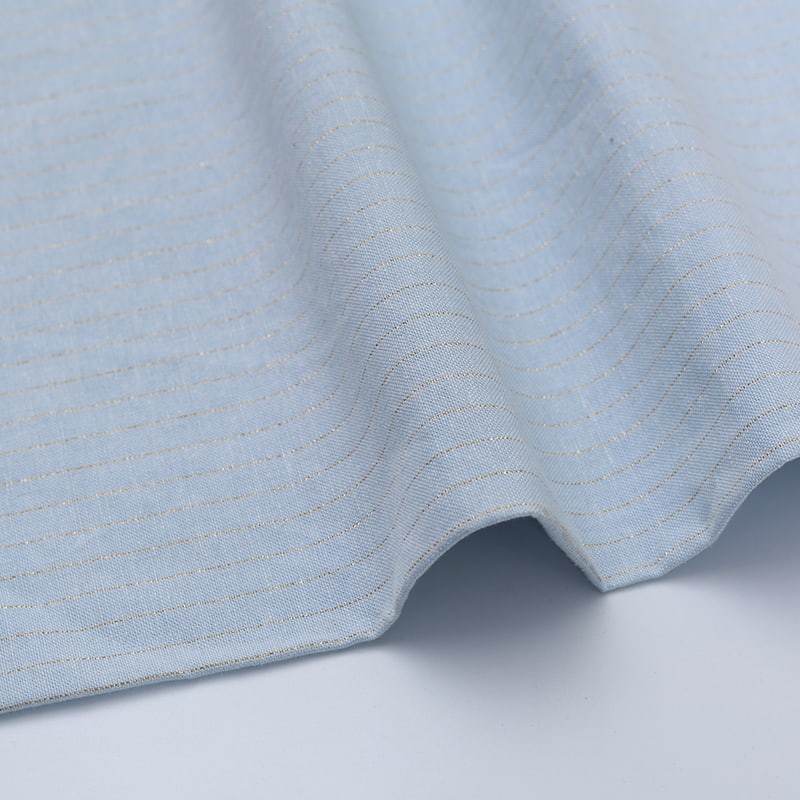
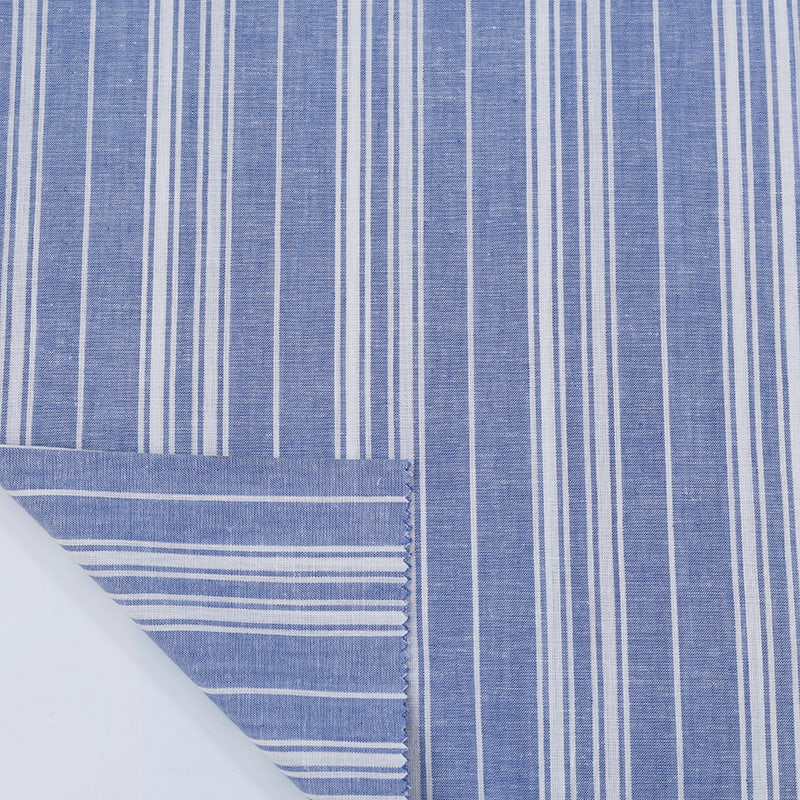
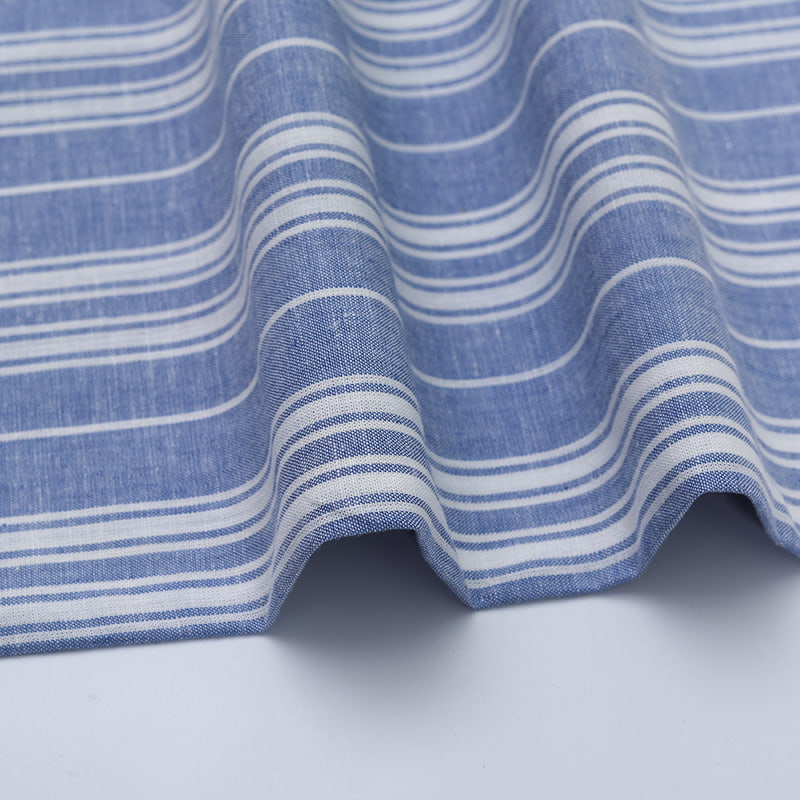
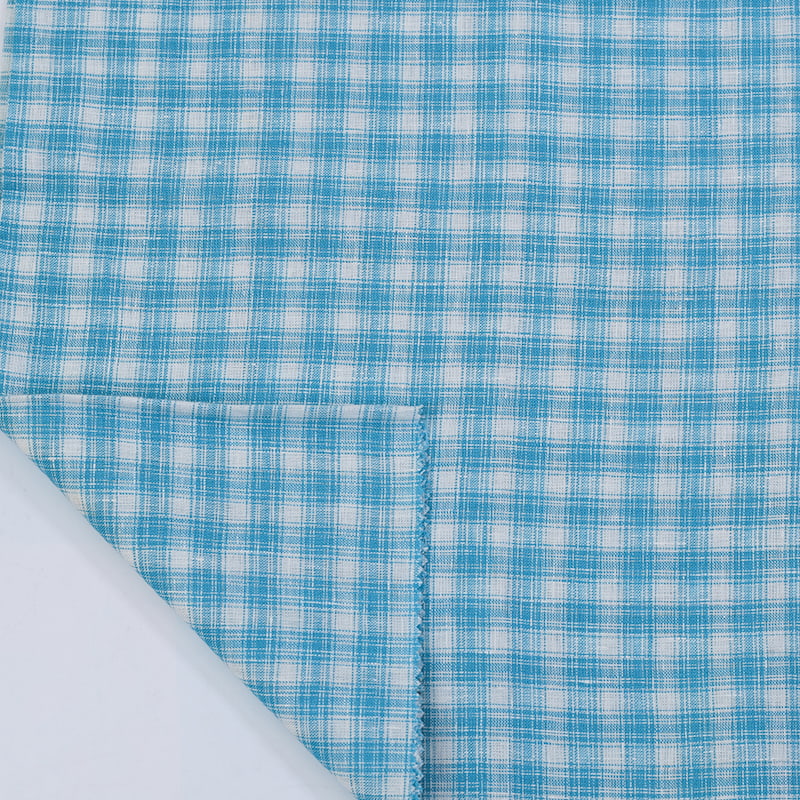
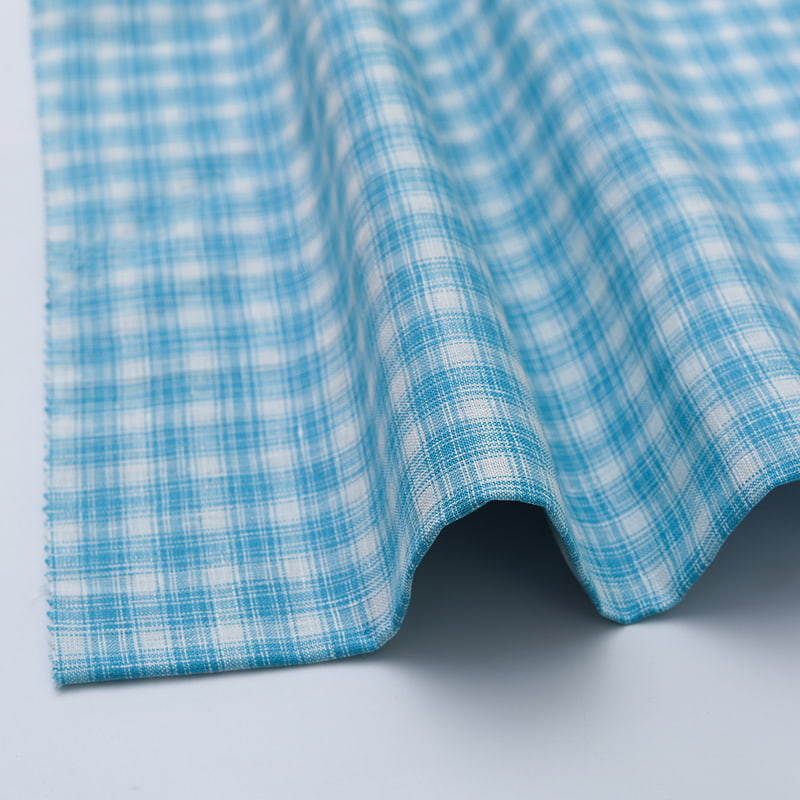
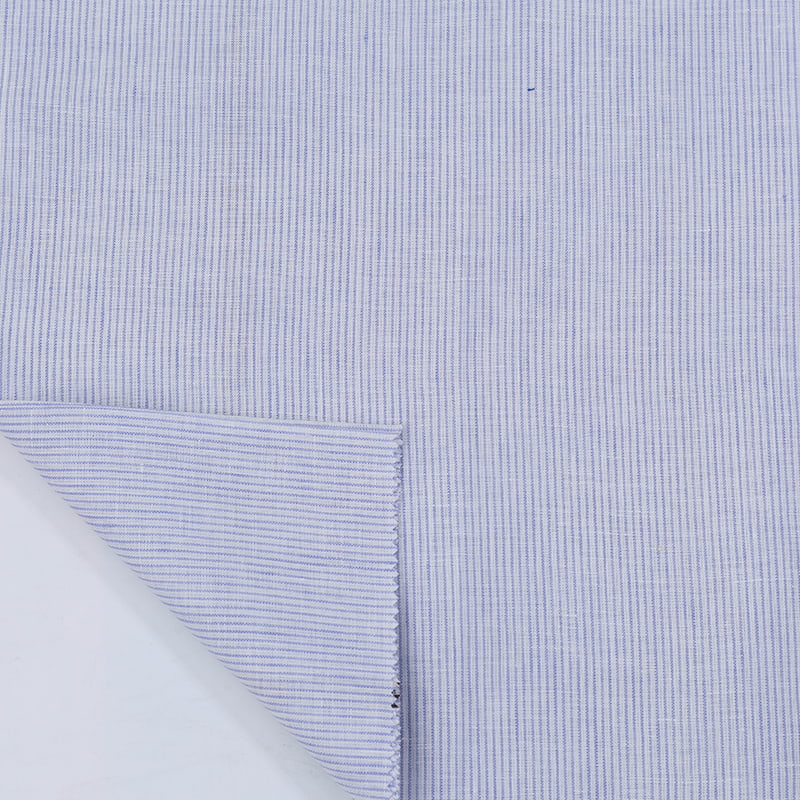
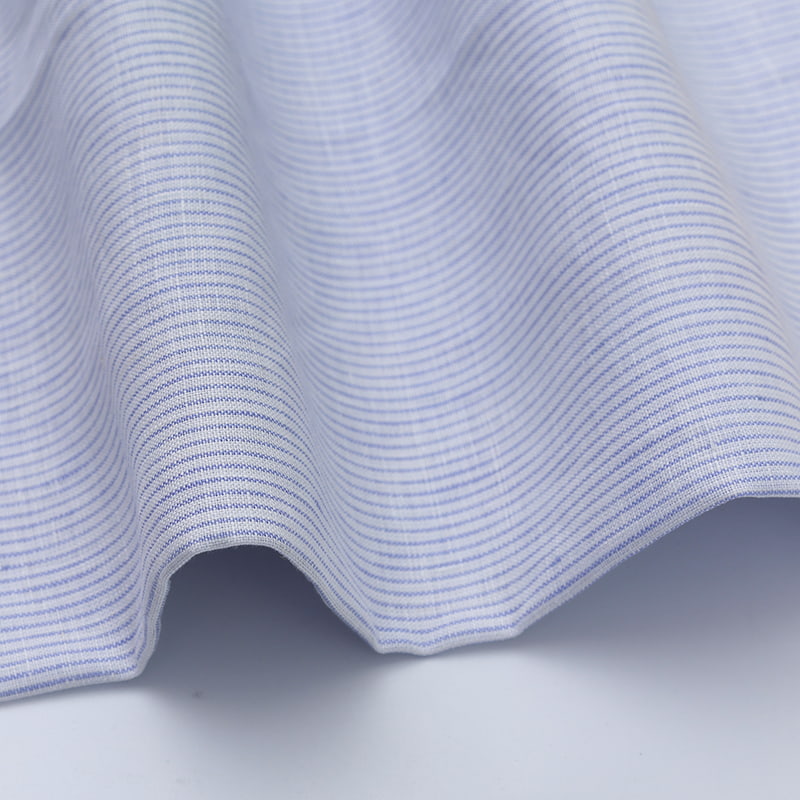
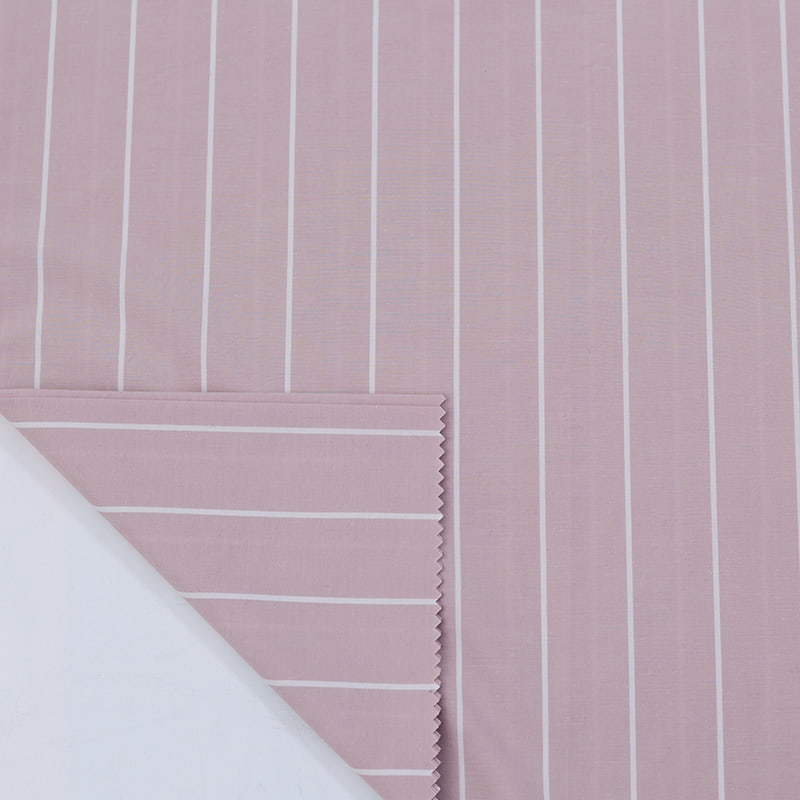
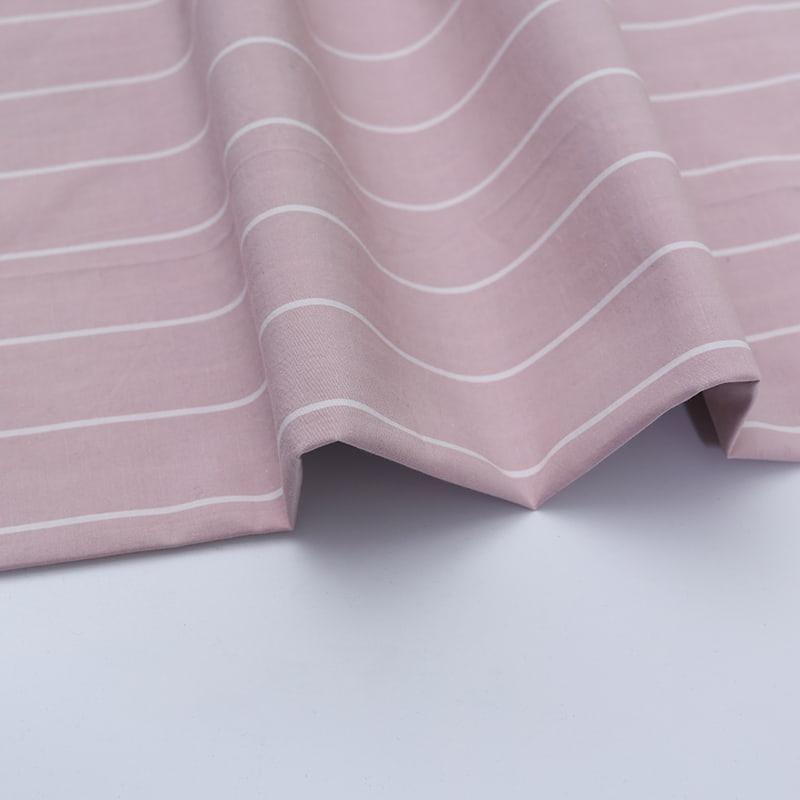
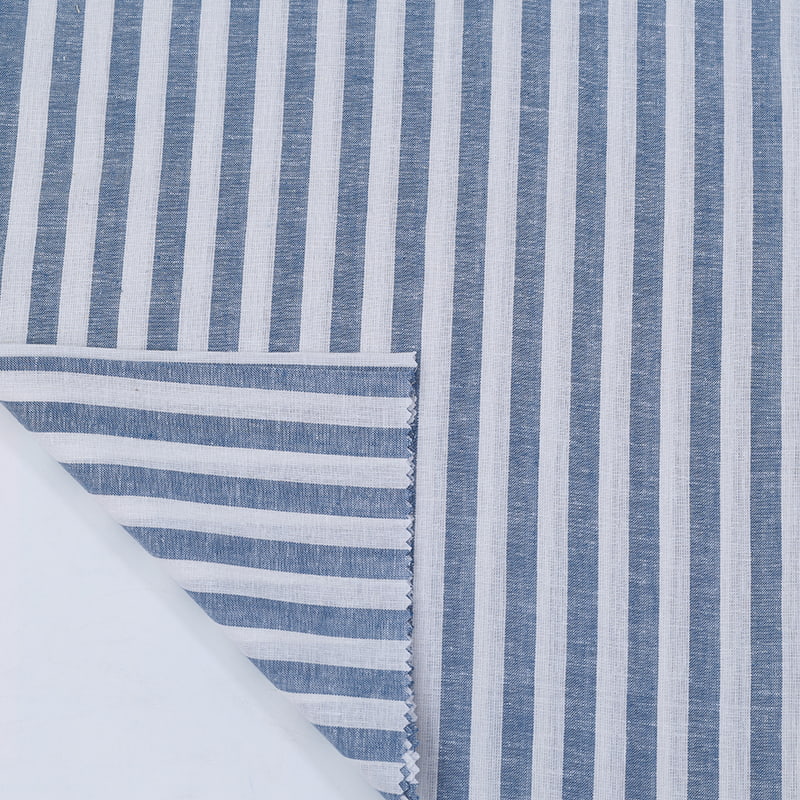
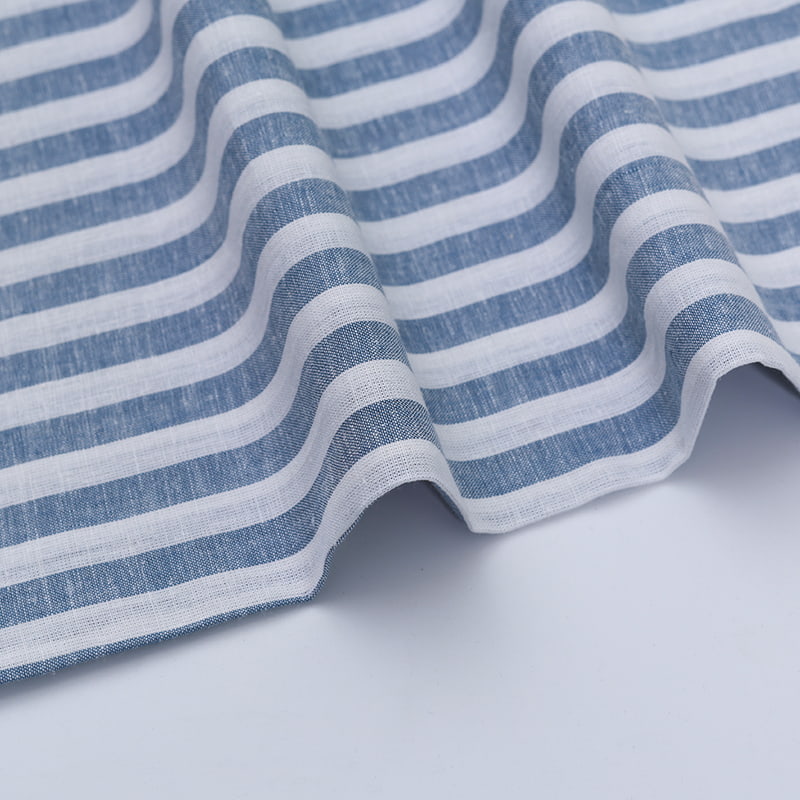
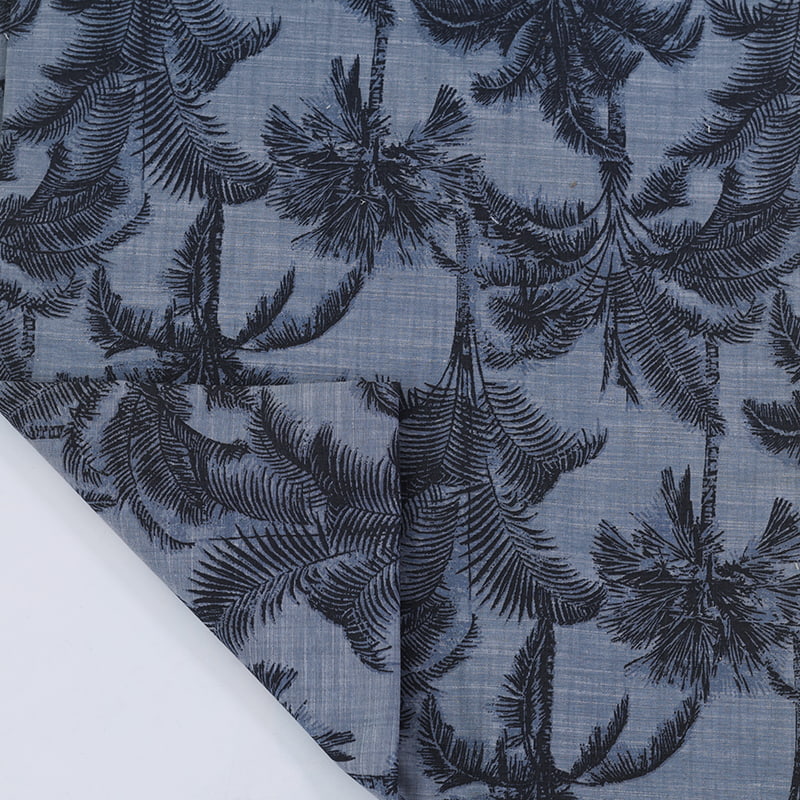
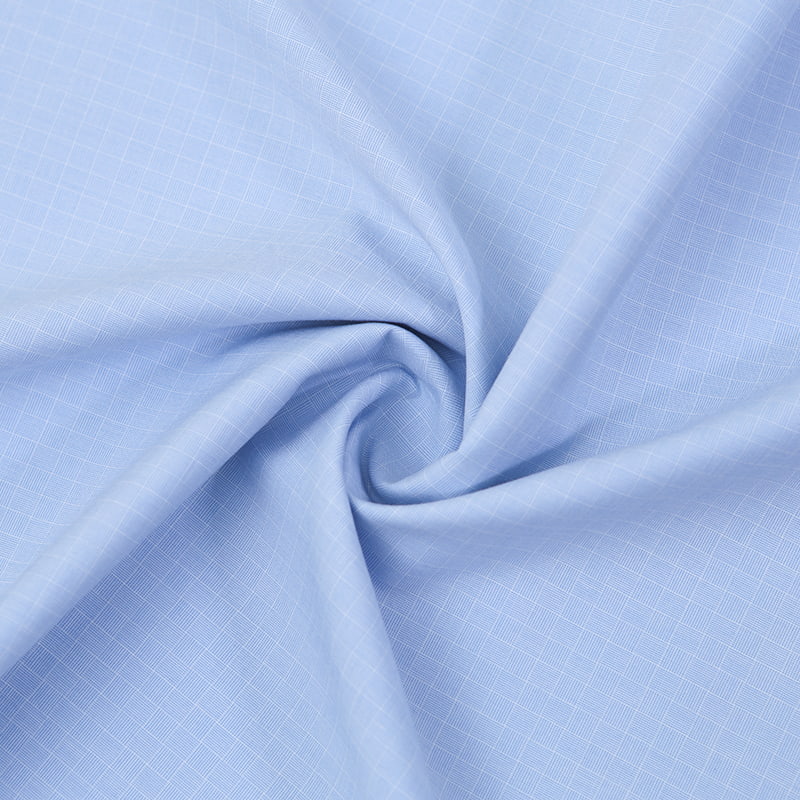
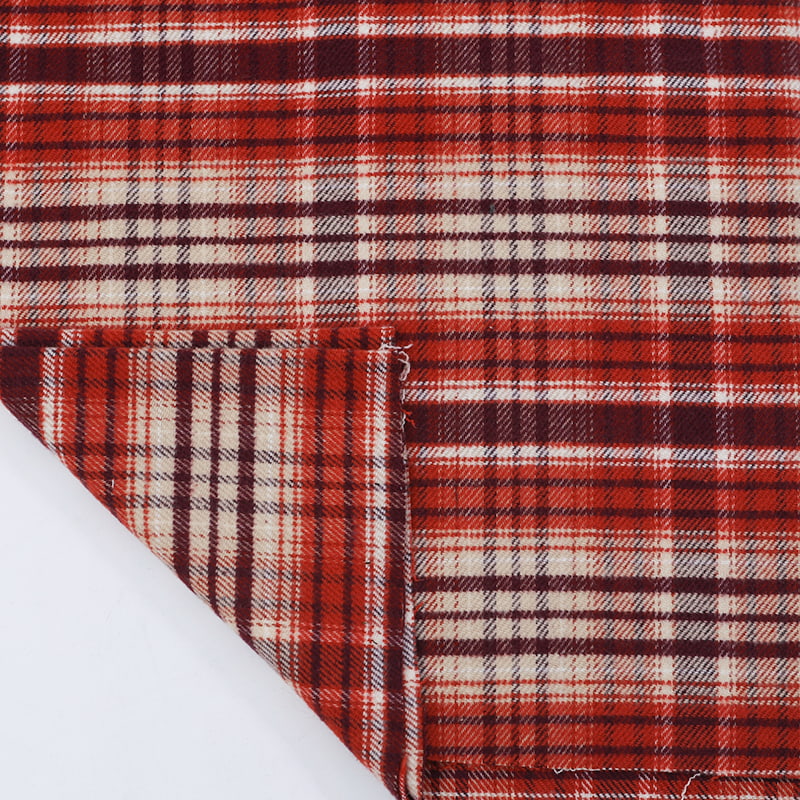
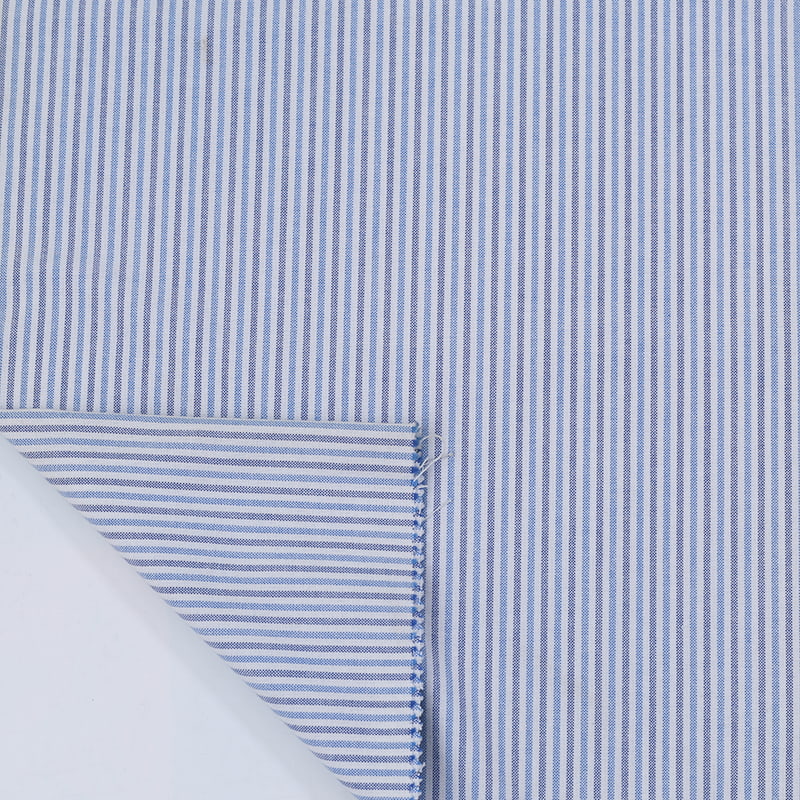
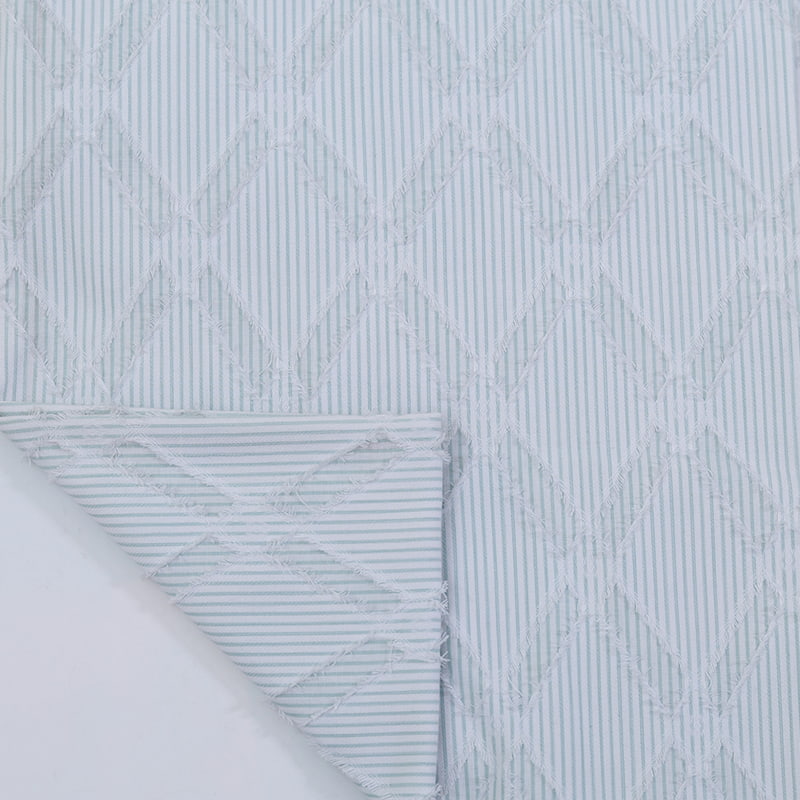
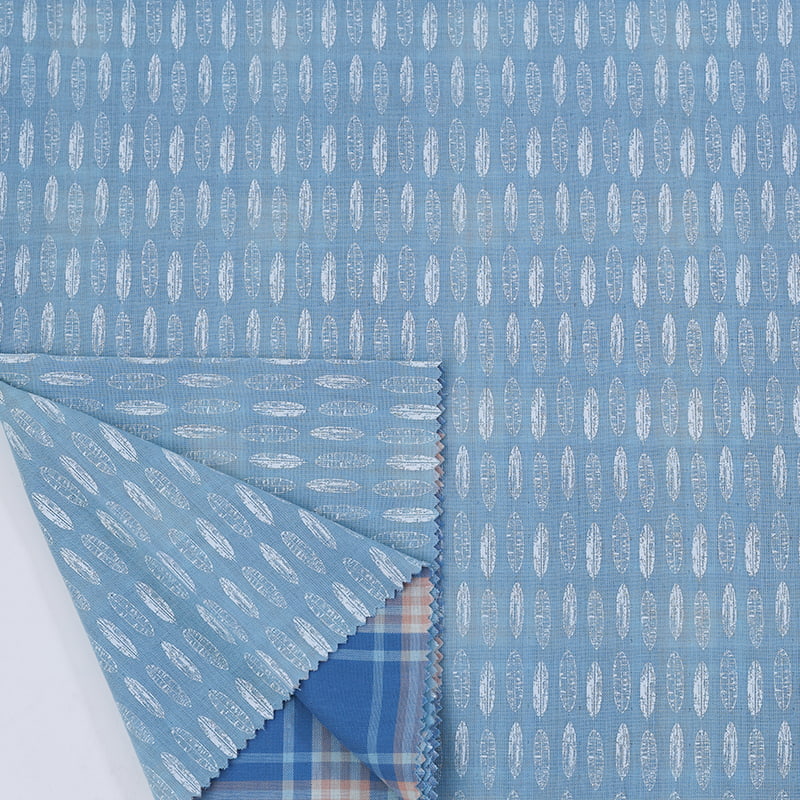
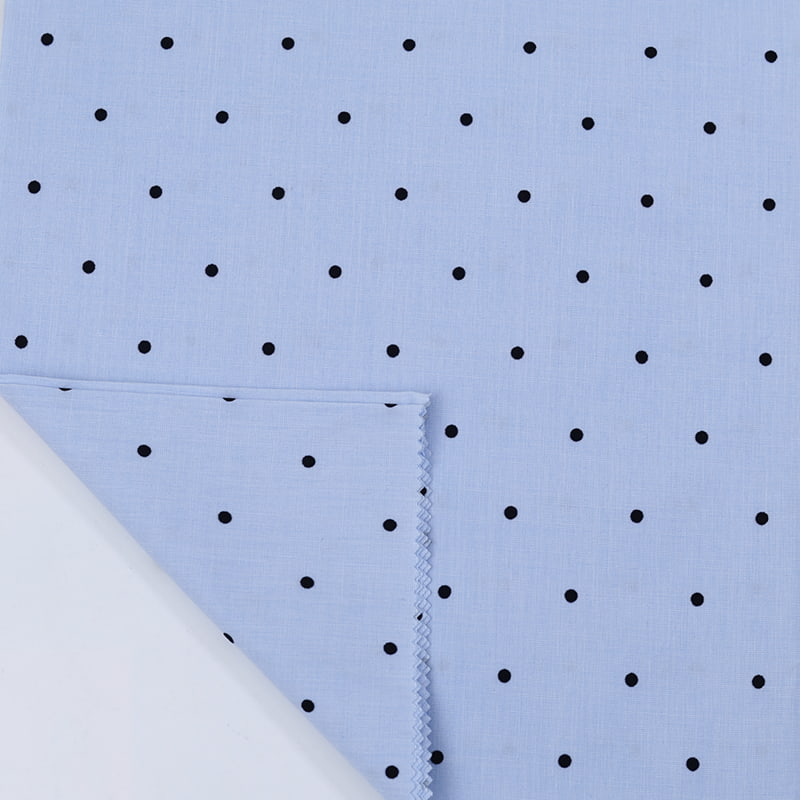
Linen Fabric is one of the oldest and most revered fabrics in human history, known for its durability, elegance, and eco-friendly nature. Derived from the flax plant, linen has been a cornerstone of textile production for millennia, woven into the very fabric of human civilization. Today, its popularity continues to soar due to its sustainable production and timeless appeal.
1. A Brief History of Linen: From Ancient Civilizations to Modern Fashion
Linen has been used for thousands of years, with its earliest known use dating back to around 4000 BCE in ancient Egypt. The Egyptians valued linen highly, associating it with purity and wealth. The finest linen was reserved for royalty and the priesthood, and it was often used in mummification rituals, as well as for garments worn by the elite. The durability and elegance of linen made it a symbol of luxury in ancient times, and its status has remained largely unchanged over the centuries.
Throughout the ages, linen spread across the globe, making its way into various cultures and civilizations. In Europe, linen became the fabric of choice for everyday garments, religious vestments, and household textiles. During the Middle Ages, linen was prized for its softness, absorbency, and lightness. It became a staple in European wardrobes and was commonly used to make undergarments, shirts, and sheets.
With the advent of the Industrial Revolution, the production of linen fabrics was mechanized, making the fabric more accessible to the masses. This democratization of linen paved the way for its use in both practical and decorative applications, from simple workwear to elegant fashion pieces. In the 20th century, linen experienced a resurgence, as designers and manufacturers sought to embrace natural, sustainable materials. Today, linen continues to be a symbol of elegance, timelessness, and eco-conscious living.
At Nantong Tianzhu Textile Co., Ltd., we understand the significance of linen in both historical and modern contexts. Our company specializes in a variety of high-quality fabrics, including non-woven, woven adhesive, and embroidered fabrics. While we are known for our innovative clothing linings and accessories, we also embrace the rich heritage of textiles like linen, offering versatile, eco-friendly options for a range of industries.
2. The Unique Properties of Linen Fabric
Linen Fabric stands out from other fabrics due to its unique properties that contribute to both its aesthetic appeal and practical benefits. First and foremost, linen is prized for its breathability. The fiber structure of linen is naturally hollow, which allows air to circulate freely through the fabric. This makes linen exceptionally cool and comfortable to wear in hot and humid climates, where other fabrics may feel stifling. The breathability of linen is a key reason why it has been a popular choice for summer clothing and bedding for centuries.
In addition to its breathability, linen is highly absorbent, capable of absorbing moisture up to 20% of its own weight without feeling damp. This moisture-wicking property makes linen an excellent choice for clothing worn in warm weather, as it helps keep the body dry and comfortable. For the same reason, linen is often used in home textiles like bed sheets, towels, and tablecloths, where moisture control and comfort are essential.
Linen’s durability is another standout feature. It is one of the strongest natural fibers, stronger even than cotton, and it becomes softer with each wash, which adds to its appeal. Despite its softness over time, linen retains its strength and resists wear and tear, making it an investment fabric that can last for many years. The process of weaving linen creates a fabric that has a crisp, slightly textured surface, giving it a natural, refined aesthetic that is both luxurious and relaxed. This texture also contributes to linen’s characteristic wrinkle, which many people find charming and part of its unique charm.
At Nantong Tianzhu Textile Co., Ltd., we appreciate linen’s robustness and unique texture, which align perfectly with our commitment to quality. Our wide range of textile products, including woven adhesive lining fabric and embroidered fabrics, offer the durability and timeless appeal that linen embodies. By combining traditional fabrics with cutting-edge technology, we ensure that our products meet the highest standards of comfort, performance, and sustainability.
3. The Sustainability and Modern Applications of Linen
In today’s world, where sustainability is a driving force behind consumer choices, linen stands out as one of the most eco-friendly fabrics available. The flax plant, from which linen is derived, requires far less water, pesticides, and fertilizer compared to other crops like cotton. The cultivation of flax is also more energy-efficient, as the entire plant is used in production, reducing waste. This sustainability makes linen a natural choice for those seeking to minimize their environmental impact.
Linen’s natural properties make it ideal for various modern applications, particularly in the fields of fashion and home decor. In fashion, linen is revered for its lightness and comfort. It has made a strong comeback in recent years, with designers incorporating linen into collections for its chic, laid-back look. Whether as a breathable summer dress, a tailored linen suit, or lightweight accessories like scarves and hats, linen is the fabric of choice for those seeking comfort without compromising on style.
In the home decor industry, linen’s popularity continues to grow, with its use extending beyond clothing to include bedding, curtains, upholstery, and even wallpaper. Linen’s natural texture and subtle sheen give it a sophisticated yet relaxed aesthetic, making it an ideal fabric for creating calm, serene living spaces. From luxurious linen bed linens to rustic linen tablecloths, this fabric adds an elegant touch to any home.
Nantong Tianzhu Textile Co., Ltd. plays a crucial role in the modern textile industry by offering a diverse range of fabrics that cater to the growing demand for sustainability. While we are known for our high-quality clothing linings and embroidered fabrics, we also take pride in sourcing eco-friendly materials and promoting sustainable production practices. Our products, including non-woven and plush base fabrics, are designed with both quality and sustainability in mind, aligning with the growing global emphasis on environmentally conscious fashion and home design.
The demand for linen has led to innovations in its use, and many companies are now blending linen with other fibers to enhance its versatility. This is particularly important in clothing, where linen blends are used to create fabrics that maintain the breathability and texture of linen while offering additional softness or stretch. At Nantong Tianzhu Textile Co., Ltd., we are continuously exploring innovative ways to integrate linen and other natural fibers into our products, ensuring that we remain at the forefront of textile development.


 English
 中文简体
中文简体 Español