English
 中文简体
中文简体 Español
Introduction to double face fabric durability
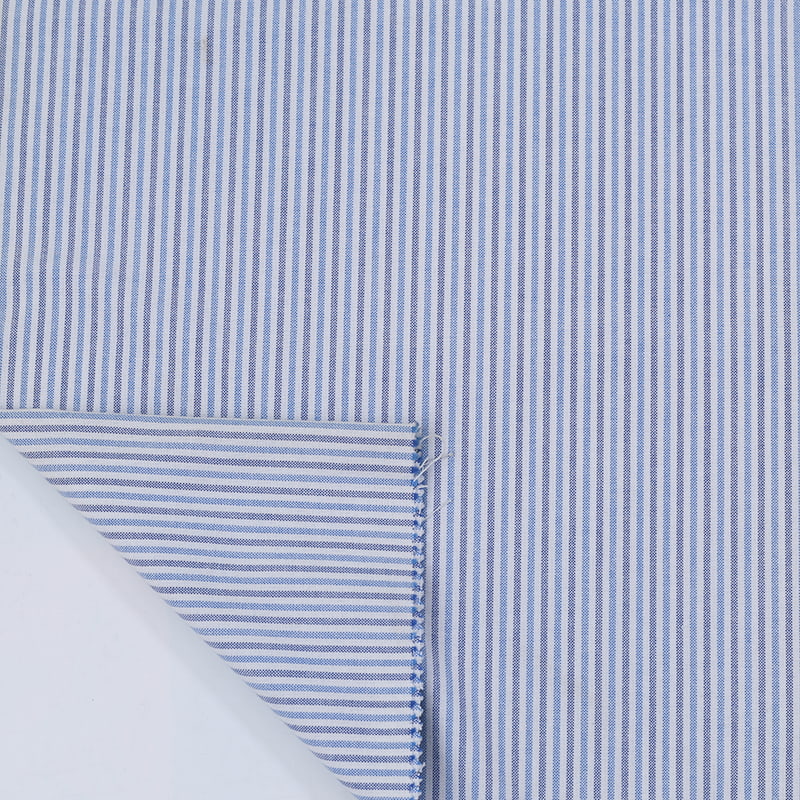
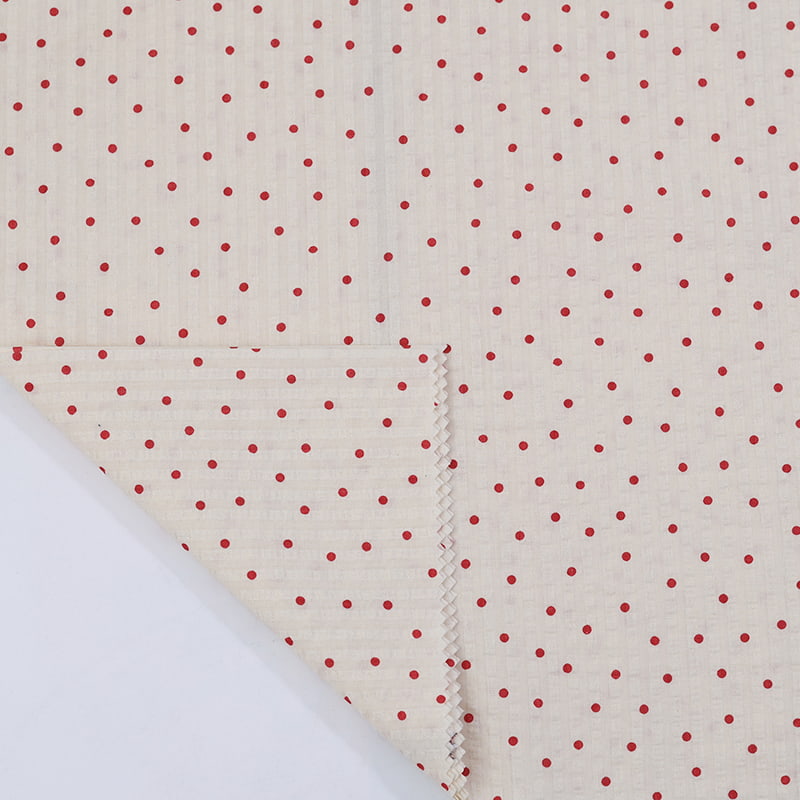
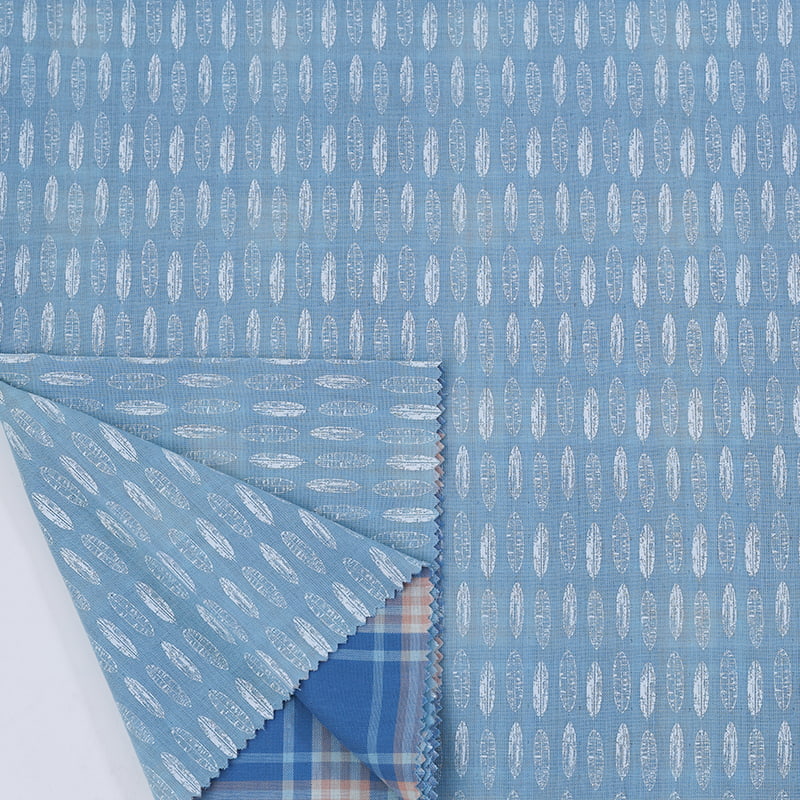
Double face fabric is a textile constructed to present two finished sides, often with distinct textures, colors, or patterns. Its unique structure allows both sides to be used as the exterior surface, offering versatility in garment design and textile applications. The durability of double face fabric under repeated wear and washing is a key factor that determines its longevity and performance in clothing, home textiles, and accessories. Understanding its durability requires examining material composition, construction techniques, mechanical stress resistance, and care practices.
Material composition and impact on durability
The fibers used in double face fabric directly influence its wear resistance and response to laundering. Common fibers include natural materials like cotton and wool, synthetic fibers such as polyester and nylon, and blended constructions combining both. Natural fibers tend to provide softness and breathability but may be more prone to shrinkage and abrasion over time, while synthetic fibers generally enhance resistance to stretching, pilling, and fading. The combination of fibers in double face fabrics is often chosen to balance comfort with mechanical resilience.
Fabric construction and structural integrity
Double face fabric is typically created using a weaving or knitting technique that interlocks two layers of material in a manner that they function as a single piece. This interconnection provides additional strength, distributes stress evenly, and prevents fraying at the edges. A tightly constructed weave or knit improves the fabric’s ability to withstand repeated wear and mechanical friction, while looser constructions may show early signs of abrasion or distortion after frequent use.
Resistance to mechanical wear
Wear durability is affected by the type and intensity of mechanical stress applied during daily use. Areas subject to frequent rubbing, stretching, or folding may experience pilling, thinning, or localized fiber breakage. Double face fabric typically exhibits enhanced resistance compared to single-layer fabrics because the two layers share the load and reduce direct stress on any one surface. Reinforced stitching and careful finishing during garment production further contribute to the fabric’s overall resistance to wear.
Effect of repeated washing on fabric integrity
Laundry processes introduce mechanical agitation, temperature variations, and chemical exposure, all of which can influence the durability of double face fabrics. Properly blended fibers and stable construction help maintain the fabric’s dimensions, texture, and color over multiple washing cycles. Fabrics with high synthetic content often retain shape and resist shrinkage more effectively, while natural fibers may require controlled washing conditions to minimize deformation. The reversible nature of double face fabrics means that both sides must maintain consistent properties under laundering to preserve appearance and functionality.
Dimensional stability and shrinkage considerations
Repeated washing can lead to dimensional changes, including shrinkage or elongation, which affect the fit and drape of garments made from double face fabric. Pre-treatment during manufacturing, such as sanforization for cotton-based fabrics or heat setting for synthetics, enhances dimensional stability. For knitted double face fabrics, the looped construction can relax over time, requiring careful consideration of initial tension and finishing techniques. Maintaining dimensional stability is essential to ensure that the fabric retains its structural integrity and aesthetic appeal.
Colorfastness and visual durability
Double face fabrics often feature contrasting colors or patterns on each side, making color retention a critical aspect of durability. Repeated washing can lead to fading, bleeding, or differential color change between the two faces. Dye selection, fiber compatibility, and finishing treatments are key factors in preserving visual quality. Fabrics that maintain consistent color and surface appearance through multiple laundering cycles contribute to longer garment life and sustained satisfaction in consumer use.
Resistance to pilling and surface wear
Pilling occurs when fibers loosen and form small balls on the fabric surface due to friction and abrasion. Double face fabrics may demonstrate varying degrees of pilling depending on fiber type, yarn twist, and surface treatment. High-twist yarns and compact weaves reduce fiber mobility, minimizing pill formation. Regular care, including gentle washing cycles and avoiding abrasive surfaces, also helps reduce the rate of surface wear. Balanced construction ensures that pilling does not occur disproportionately on either side of the fabric, preserving the dual-face functionality.
Flexibility and resilience under repeated use
Flexibility and the ability to recover shape after stretching or folding are important indicators of long-term durability. Double face fabrics must withstand bending, tension, and compression without permanent distortion. Fabric resilience depends on yarn elasticity, interlayer binding, and finishing treatments that enhance fiber cohesion. This property is particularly important for garments such as jackets, coats, or blouses, where repeated movement and manipulation occur daily.
Care practices to enhance longevity
Proper maintenance is crucial to maximizing the durability of double face fabric. Recommendations typically include gentle washing or hand washing, using mild detergents, avoiding high-temperature water, and minimizing mechanical agitation. Drying should avoid excessive heat or direct sunlight to prevent fiber damage and color fading. Following care instructions consistently helps maintain both structural integrity and aesthetic quality over time.
Applications highlighting durability requirements
Double face fabrics are often used in products that require repeated wear and washing, such as reversible jackets, coats, scarves, and blankets. In these applications, durability is essential for maintaining appearance, comfort, and functionality. Fabrics used in these products must balance softness and drape with resistance to abrasion, pilling, and shrinkage, ensuring sustained performance throughout the garment’s or item’s service life.
| Durability Factor | Influence on Double Face Fabric | Recommended Approach |
|---|---|---|
| Fiber composition | Affects abrasion resistance and shrinkage | Blend fibers to balance comfort and strength |
| Fabric construction | Determines mechanical load distribution | Use tight weaves or knits with interlayer binding |
| Washing conditions | Impacts shrinkage, pilling, and colorfastness | Follow gentle washing cycles and mild detergents |
| Surface finish | Reduces fiber movement and abrasion | Apply finishing treatments such as calendaring or softeners |
Long-term wear testing and performance evaluation
Durability assessment often involves standardized tests such as abrasion resistance, pilling evaluation, tensile strength after laundering, and dimensional stability measurements. These tests provide quantitative data on how the double face fabric responds to repeated wear and washing, guiding design decisions and care recommendations. Consistent performance under test conditions indicates that the fabric can withstand typical consumer use without significant deterioration.
Environmental factors affecting durability
In addition to mechanical and washing stresses, environmental factors such as humidity, temperature, and exposure to UV light can influence durability. High humidity may increase fiber swelling and affect dimensional stability, while prolonged exposure to sunlight can accelerate fading and fiber degradation. Careful consideration of storage and usage conditions supports long-term performance of double face fabrics.