English
 中文简体
中文简体 Español
Understanding Seersucker Fabric: What Makes It Ideal for Children
The Origins and History of Seersucker Fabric
Seersucker fabric is a distinctive textile with a rich history that spans several centuries, and understanding its origins helps contextualize why it remains a popular choice for children’s clothing today. The term “seersucker” is derived from the Persian words shir o shakar, which translate to “milk and sugar,” a reference to the contrasting textures present in the fabric’s weave. Traditionally, seersucker fabric was handwoven in India and exported to Europe in the 17th and 18th centuries, where it became synonymous with lightweight summer clothing. Its unique puckered texture, alternating smooth and crinkled stripes, was not only visually appealing but also highly functional, as it allowed air to circulate freely and minimized direct contact with the skin, keeping the wearer cool.
The introduction of seersucker into Western fashion was accelerated during the colonial period, particularly in regions with hot and humid climates, where its breathability and ease of maintenance were highly valued. Over time, the fabric evolved from purely utilitarian uses into a stylish textile for both adults and children, often associated with casual summer attire, light jackets, and children’s play clothes. Its longstanding presence in the clothing industry underscores its reliability, comfort, and practicality—qualities that make it exceptionally suitable for children, whose clothing demands often combine comfort with durability and ease of care.
The Weave and Texture of Seersucker Fabric
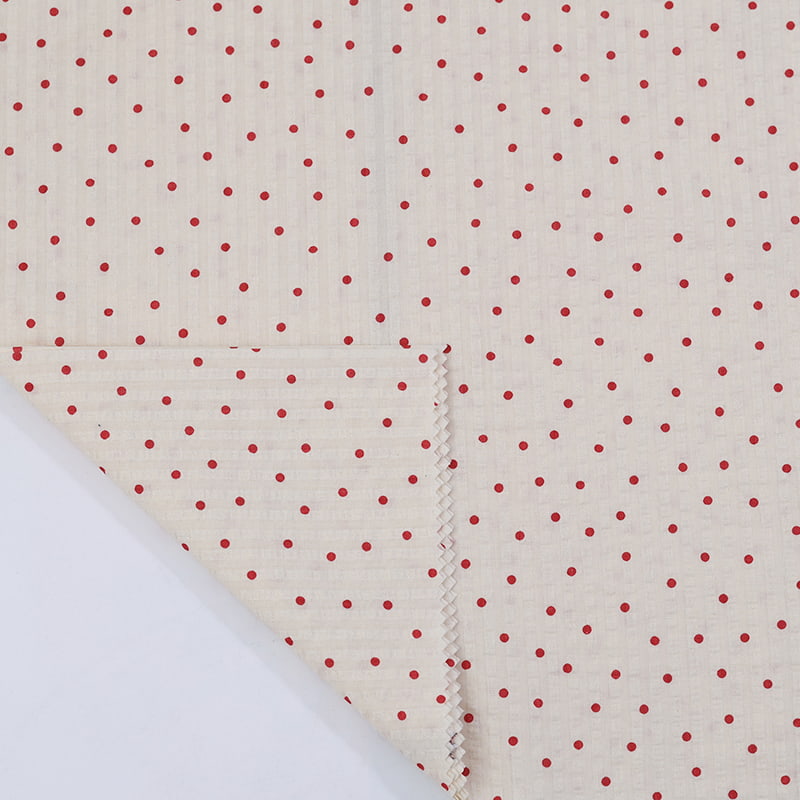
At the heart of seersucker’s appeal lies its unique weave. Unlike plain woven fabrics, seersucker is characterized by a combination of tight, smooth stripes and looser, puckered stripes that create a three-dimensional texture. This puckering is achieved during the weaving process by alternating yarns of varying tension, which causes the fabric to naturally crinkle. This distinct texture not only contributes to the fabric’s visual charm but also serves functional purposes. The puckered areas lift the fabric slightly off the skin, allowing for better air circulation and reducing the likelihood of sweat accumulation. For children, this is especially important during active play, as it prevents irritation and keeps them comfortable in a variety of climates.
In addition to its texture, seersucker fabric has a lightweight and flexible structure that conforms well to children’s movements. Unlike heavier textiles, it doesn’t restrict motion, making it ideal for both casual wear and more structured outfits like summer dresses or school uniforms. The combination of softness and resilience ensures that seersucker maintains its shape and comfort even after multiple washes, which is a critical consideration when selecting fabrics for children’s wear. Moreover, the fabric’s texture inherently minimizes visible wrinkles, reducing the need for constant ironing and making it highly practical for busy parents.
Breathability and Comfort in Children’s Wear
One of the most critical factors that make seersucker fabric ideal for children is its superior breathability. The alternating puckered and flat stripes create microchannels that allow air to circulate freely, effectively regulating body temperature. Children are particularly sensitive to temperature changes, and overheating or excessive sweating can lead to discomfort or skin irritation. Seersucker fabric mitigates these risks by providing a naturally airy structure that keeps the skin cool and dry, even during vigorous outdoor play or in warmer climates.
Beyond thermal comfort, seersucker fabric is soft to the touch and non-restrictive, which is essential for children’s delicate skin. The smooth stripes provide a gentle surface, while the puckered areas reduce friction against the skin. This combination minimizes the risk of chafing and makes seersucker suitable for a wide range of garments, from lightweight summer tops to full-length dresses and shorts. Additionally, because the fabric is lightweight, it drapes naturally without adding bulk, creating clothing that moves fluidly with a child’s body and promotes freedom of movement—a key consideration in children’s clothing design.
Durability and Easy Maintenance
Another major advantage of seersucker fabric in children’s wear is its inherent durability and ease of maintenance. Children’s clothing is subjected to frequent washing, staining, and rough handling, so choosing fabrics that can withstand these challenges is crucial. Seersucker’s puckered texture not only gives it a resilient structure but also helps conceal minor wrinkles and creases, reducing the need for frequent ironing or steaming. This wrinkle-resistant quality makes it particularly convenient for parents who need practical, low-maintenance options for daily wear.
Moreover, seersucker fabric retains its shape and color well over time. High-quality seersucker made from cotton or cotton blends is resistant to shrinkage and fading, even after repeated machine washes. This longevity is an essential attribute for children’s clothing, as garments must endure both playtime activities and regular laundering without losing their aesthetic appeal or structural integrity. The fabric’s durability also means it can be used in various clothing styles, including dresses, shirts, shorts, and uniforms, without compromising performance or appearance.
Safety and Skin-Friendliness
Safety and skin-friendliness are paramount when selecting fabrics for children, and seersucker excels in both areas. Because it is typically made from natural fibers like cotton, seersucker is hypoallergenic, breathable, and free from harsh chemicals that could irritate sensitive skin. Unlike synthetic fabrics, which may trap heat and moisture, seersucker allows the skin to breathe, reducing the likelihood of rashes, itching, or allergic reactions. For parents, this translates into a reliable choice for everyday wear, especially in infants and toddlers who are more prone to skin sensitivities.
In addition to its hypoallergenic properties, seersucker fabric’s texture also adds an extra layer of comfort and protection. The puckered weave creates slight air pockets between the fabric and the skin, which prevents direct pressure and friction, particularly in areas prone to rubbing such as underarms and elbows. This unique feature makes seersucker garments ideal for active children who move constantly and require fabrics that adapt to their activity levels without causing discomfort.
Versatility in Design and Patterns
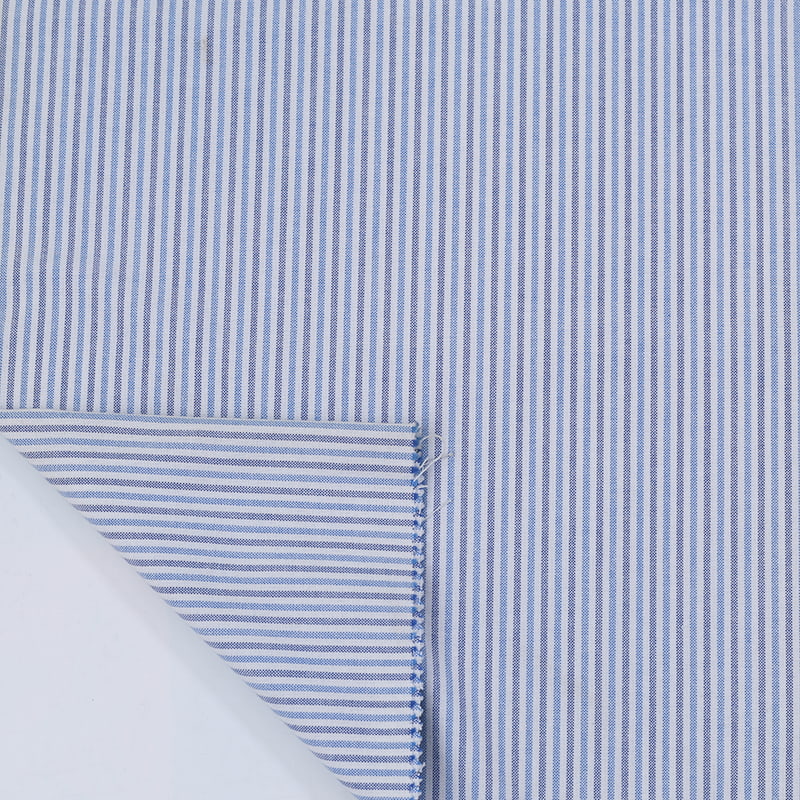
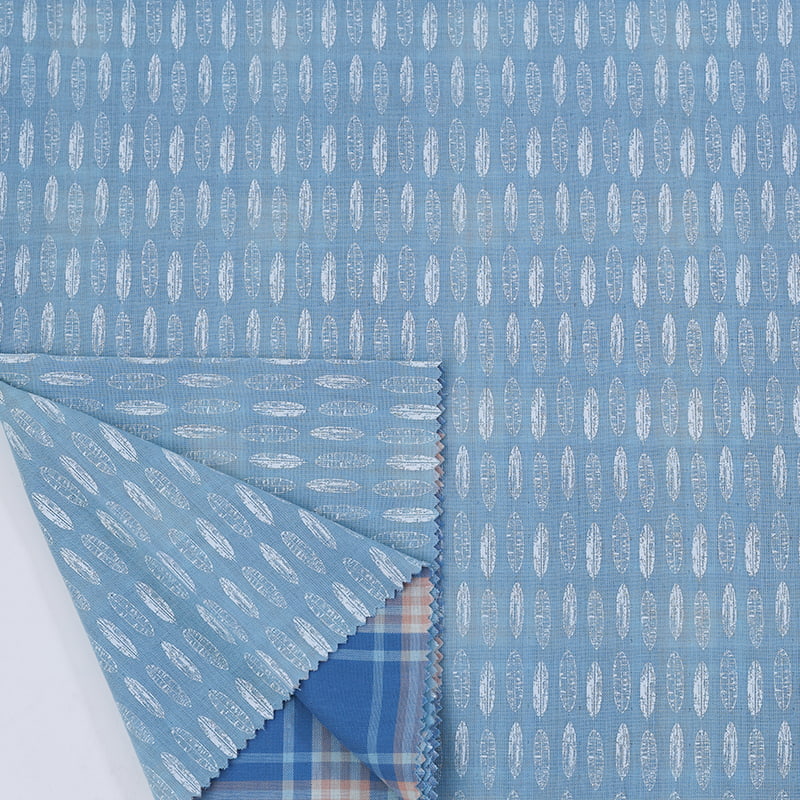
Seersucker fabric is highly versatile in design, which further enhances its suitability for children’s wear. The fabric can be dyed in a wide range of colors and patterns, including traditional stripes, checks, plaids, and contemporary designs, making it adaptable to various fashion preferences and seasonal trends. Yarn-dyed seersucker fabrics, in particular, allow for rich, long-lasting colors that resist fading and maintain vibrancy even after repeated washing. This versatility enables designers and parents alike to choose garments that are not only functional but also aesthetically appealing for children of all ages.
The combination of texture, pattern, and color flexibility makes seersucker suitable for both casual and formal children’s clothing. For instance, light-colored, striped seersucker dresses or shirts are perfect for summer outings, while more intricate patterns can be used in party wear or school uniforms. The fabric’s adaptability allows it to transition seamlessly between different clothing types, ensuring that children can enjoy both style and comfort without compromise.
Environmental and Sustainability Considerations
In recent years, sustainability has become an important factor in selecting fabrics for children’s clothing, and seersucker has several eco-friendly attributes. Cotton-based seersucker, particularly when sourced from organic farms, is biodegradable, renewable, and requires fewer chemicals compared to many synthetic alternatives. The fabric’s durability and resistance to wear reduce the frequency of replacement, contributing to a more sustainable wardrobe for children. Parents increasingly seek fabrics that combine comfort, safety, and environmental responsibility, and seersucker fabric meets all these criteria effectively.
Yarn-dyed seersucker fabrics also enhance sustainability by using pre-dyed threads rather than post-dyeing finished garments, which reduces water and chemical usage. This process ensures that the vibrant patterns and colors last longer, decreasing the likelihood of garments being discarded prematurely due to fading or color loss. From both a practical and environmental standpoint, seersucker fabric offers a combination of performance, aesthetics, and eco-consciousness that is highly suitable for children’s clothing.
The Texture and Feel of Seersucker Fabric in Kids’ Clothing
Unique Weaving Technique of Seersucker Fabric
Seersucker fabric owes its distinctive texture to a specialized weaving technique that creates alternating puckered and flat stripes. Unlike plain woven textiles, the seersucker weave uses yarns of varying tension to produce areas that crinkle naturally during the weaving process. The tighter tension yarns create smooth, flat stripes, while the looser tension yarns form puckered stripes, giving the fabric its signature three-dimensional appearance. This weaving technique is not only visually distinctive but also contributes directly to the functional benefits of seersucker, making it especially suitable for children’s clothing.
The alternating texture impacts both the tactile feel and the garment’s performance. The puckered areas lift slightly off the skin, which reduces contact and friction. This feature is particularly important for children, who have sensitive skin and are prone to irritation from rough or tight fabrics. The smooth stripes, on the other hand, provide a gentle surface that feels soft against the skin. The combination of these contrasting textures results in a fabric that is visually dynamic, lightweight, and exceptionally comfortable.
In addition, the puckering of seersucker fabric enhances airflow around the body. Micro-channels formed by the raised texture allow heat and moisture to escape, which is crucial for children during active play or in warm weather. This natural ventilation reduces sweating and the risk of skin discomfort, providing a cooling effect without the need for additional design features or layers. The technical complexity of the weave is an essential factor in the fabric’s enduring popularity in children’s wear, as it balances comfort, practicality, and style in a single textile.
Sensory Experience: Softness and Comfort
The tactile qualities of seersucker fabric are central to its appeal in kids’ clothing. The smooth stripes contribute a soft, silky feel, while the puckered areas create gentle ridges that add a tactile dimension without causing discomfort. This dual-texture experience is unique compared to other fabrics, which often rely solely on smoothness or thickness to provide comfort. For children, the combination of softness and subtle texture creates garments that are pleasant to touch and wear throughout the day.
Seersucker’s feel is also influenced by the type of fiber used in its production. While traditional seersucker is made from cotton, modern versions may incorporate cotton blends or organic fibers. Pure cotton seersucker is breathable, hypoallergenic, and naturally soft, which makes it ideal for children with sensitive or reactive skin. Blended fabrics may offer additional durability or stretch, but the characteristic texture of seersucker remains central to the overall sensory experience. The softness of the fabric reduces the risk of chafing, particularly in areas prone to friction such as underarms, elbows, and the inner thighs, which is a critical consideration for active children who move frequently.
Breathability and Air Circulation
One of the defining features of seersucker fabric is its inherent breathability. The puckered stripes create microscopic air pockets that allow air to circulate more freely than in flat, tightly woven fabrics. This property makes seersucker particularly suitable for children, whose thermoregulation systems are less efficient than adults. In hot or humid conditions, these air channels help keep the body cool by facilitating heat dissipation and preventing the accumulation of moisture on the skin.
The breathability of seersucker also contributes to its overall comfort during physical activity. Children often engage in running, jumping, and climbing, which can quickly lead to overheating in less breathable fabrics. Seersucker’s textured weave prevents the fabric from clinging to the skin, reducing the likelihood of irritation caused by trapped sweat or friction. Additionally, the lightweight nature of the fabric enhances airflow, making it ideal for summer clothing, casual wear, and outdoor activities. The combination of texture and breathability ensures that children can remain comfortable during prolonged periods of activity without the need for multiple layers or heavy garments.
Flexibility and Ease of Movement
The texture and weave of seersucker fabric contribute to its flexibility, which is an important consideration in children’s clothing. The puckered areas allow the fabric to stretch and move with the wearer, while the smooth stripes maintain structural integrity. This flexibility ensures that garments made from seersucker do not restrict movement, which is crucial for children who are constantly in motion. Whether it is a dress, shirt, or shorts, seersucker fabric accommodates bending, stretching, and twisting without losing shape or causing discomfort.
The lightweight and pliable structure of seersucker also allows for natural draping, creating garments that conform to a child’s body without feeling tight or constrictive. Unlike stiffer fabrics that limit mobility or cause discomfort during play, seersucker provides freedom of movement, supporting both active play and daily wear. This characteristic is especially valuable for parents and designers, as it reduces the need for additional design interventions to improve comfort, such as elastic panels or oversized cuts, while maintaining a neat and stylish appearance.
Texture’s Impact on Visual Appeal
The tactile properties of seersucker fabric are complemented by its visual texture. The alternating puckered and smooth stripes create depth and dimension, giving garments a distinctive, dynamic look. This textural variation can enhance patterns, stripes, checks, and yarn-dyed designs, making children’s clothing more visually engaging. The interplay of light and shadow on the puckered surfaces adds to the aesthetic appeal, making garments appear more lively and stylish without requiring complex embellishments or prints.
Seersucker fabric’s texture also contributes to practical visual benefits. Minor wrinkles and creases, which are common in children’s clothing due to frequent movement and play, are less noticeable on the puckered surface compared to flat fabrics. This wrinkle-masking property reduces the need for constant ironing or steaming, allowing garments to maintain a tidy appearance with minimal maintenance. For parents, this feature is especially advantageous, as it ensures that children’s clothing remains presentable even after active use.
Adaptability to Various Fiber Types
While traditional seersucker is predominantly cotton, its texture and feel can be adapted across a range of fiber types to enhance specific properties. Cotton-polyester blends, for example, maintain the soft tactile feel while increasing durability and wrinkle resistance. Organic cotton seersucker preserves breathability and skin-friendliness while supporting sustainable textile practices. Linen-seersucker blends may offer additional cooling properties and a slightly crisper texture, suitable for hot summer climates. The adaptability of seersucker fabric to different fibers allows designers and parents to select garments that balance comfort, durability, and aesthetic appeal according to specific needs and preferences.
The texture remains consistent across fiber variations, retaining the signature puckered and smooth stripes that define seersucker. Even when blended with synthetics or specialty fibers, the tactile qualities that contribute to children’s comfort—softness, flexibility, and subtle ridges—are preserved. This versatility ensures that seersucker can meet diverse functional and stylistic requirements without compromising the sensory experience.
Functional Benefits of Puckered Texture in Children’s Clothing
The puckered texture of seersucker fabric provides a number of functional benefits that are particularly valuable in children’s wear. By lifting portions of the fabric off the skin, the puckers prevent clinging, which reduces friction and allows for better movement. This feature also contributes to thermal regulation by creating air pockets that facilitate cooling. Additionally, the texture provides natural resilience against wrinkles and minor stains, which are common in children’s clothing due to spills, play, and frequent washing.
The tactile surface also enhances grip when layering garments or handling the fabric. Buttons, zippers, and other fastenings interact differently with textured seersucker than with flat fabrics, often resulting in garments that are easier for children to manipulate independently. This subtle functional advantage supports self-dressing skills, a developmental milestone in early childhood, while maintaining comfort and style.
Yarn-Dyed Seersucker and Textural Depth
Yarn-dyed seersucker fabric adds an additional layer of complexity and appeal to the texture and feel. By dyeing the threads prior to weaving, yarn-dyed seersucker achieves vibrant, long-lasting colors that accentuate the puckered and smooth stripes. The interplay between dyed and undyed threads enhances the tactile experience, as children can feel subtle variations in density and surface tension. This depth contributes to both visual and sensory richness, making garments more engaging for children while preserving comfort.
Yarn-dyed seersucker is also more durable in terms of color retention, which ensures that the tactile qualities are not overshadowed by fading or discoloration over time. Children’s garments frequently undergo repeated washing, and the combination of texture and color integrity ensures that seersucker maintains both its functional and aesthetic properties throughout prolonged use.
Implications for Children’s Skin Sensitivity
The texture and feel of seersucker fabric are particularly suitable for children with sensitive skin. The combination of soft, smooth areas and gentle puckers reduces direct pressure and friction, minimizing irritation. Unlike stiff or synthetic fabrics, seersucker allows the skin to breathe while providing a cushioning effect, which is crucial for preventing rashes or discomfort in toddlers and young children. The lightweight and flexible nature of the fabric further supports comfort by conforming to the child’s body without restricting movement or causing hotspots that could lead to sweat accumulation.
This skin-friendly quality also makes seersucker ideal for layering. Shirts, dresses, or shorts made from seersucker can be worn over undershirts or leggings without causing excessive bulk or friction, supporting both temperature regulation and comfort throughout different seasons or indoor and outdoor activities.
Yarn-Dyed Seersucker Fabric: Colorful Options for Children
Understanding Yarn-Dyed Seersucker Fabric
Yarn-dyed seersucker fabric is a specialized variant of traditional seersucker that combines the distinctive puckered texture with vibrant, long-lasting colors. Unlike fabrics that are piece-dyed after weaving, yarn-dyed textiles are colored at the yarn stage before weaving, which ensures that the colors are embedded deeply into the fibers and remain uniform throughout the fabric. This pre-dyeing process allows for precise pattern creation, including stripes, checks, plaids, and other complex designs, all while maintaining the unique three-dimensional texture of seersucker.
In children’s wear, the yarn-dyed process offers significant advantages. The embedded colors are more resistant to fading, even under repeated washing, exposure to sunlight, or vigorous activity. Children’s clothing often undergoes high-frequency laundering, and the color retention provided by yarn-dyed fabrics ensures that garments maintain their vibrancy over time. Additionally, the process enables designers to combine multiple colors in a single weave, producing visually stimulating patterns that appeal to children and parents alike. The combination of texture and color creates garments that are tactilely engaging, visually attractive, and durable, making yarn-dyed seersucker an ideal choice for a wide range of children’s clothing applications.
The Technical Process of Yarn Dyeing
Yarn-dyed seersucker begins with the careful selection of yarns, typically cotton or cotton blends, which are then subjected to a dyeing process prior to weaving. Each yarn is individually dyed according to the intended pattern, whether it involves solid stripes, multi-colored checks, or intricate plaids. The yarns are then dried and organized for weaving, ensuring precise alignment so that the intended design is reproduced accurately across the entire fabric.
The weaving process itself is crucial in maintaining both the structural integrity of seersucker and the visual clarity of the patterns. Alternating yarn tensions create the signature puckered and smooth stripes, while the dyed yarns ensure that the colors remain vivid and consistent. Because the yarn is dyed before weaving, the fabric exhibits superior colorfastness compared to piece-dyed or printed fabrics. This quality is particularly valuable for children’s clothing, where repeated washing and exposure to sunlight can quickly diminish the appearance of less durable fabrics. Yarn-dyed seersucker thus represents a blend of craftsmanship, technical precision, and functional durability, tailored to meet the demands of active children.
Color Variety and Pattern Options
One of the primary benefits of yarn-dyed seersucker fabric is the extensive range of color and pattern options it offers. Designers can create traditional patterns such as narrow stripes, wide stripes, or classic checks, as well as more contemporary designs that incorporate multiple colors and intricate arrangements. The pre-dyed yarns allow for crisp, well-defined edges in the patterns, which enhances the visual appeal of the garments.
For children’s wear, color is not merely an aesthetic consideration but also a functional one. Bright, contrasting colors can stimulate visual perception and encourage engagement, while softer pastels offer comfort and calmness for younger children. Yarn-dyed seersucker accommodates both ends of this spectrum, enabling garments that are both playful and sophisticated. Designers often use color combinations that complement seasonal trends, school uniforms, or themed collections, ensuring that the fabric meets a variety of functional and stylistic requirements.
Patterns in yarn-dyed seersucker can also serve practical purposes. For example, vertical stripes can create the illusion of height, while checks and plaids can mask minor stains or wrinkles, which are common in children’s clothing. This dual functionality—combining aesthetic appeal with practicality—is a defining feature of yarn-dyed seersucker fabrics in children’s wear.
Durability and Maintenance Advantages
Yarn-dyed seersucker fabric excels in durability, particularly regarding color retention and resistance to wear. The embedded dye within the yarn fibers means that the colors remain vibrant even after numerous wash cycles, exposure to sunlight, or friction during play. This is especially important in children’s clothing, which undergoes frequent laundering and often endures rough handling. Unlike printed or piece-dyed fabrics, yarn-dyed seersucker maintains its visual and structural integrity, ensuring long-lasting performance and appearance.
Maintenance is also simplified by the combination of yarn-dyeing and seersucker’s puckered texture. The puckers reduce the appearance of wrinkles and creases, eliminating the need for frequent ironing. Additionally, the fabric’s textured surface can help disguise minor stains or scuffs, which are inevitable in active children’s wear. Parents benefit from garments that are both visually appealing and low-maintenance, while children enjoy the comfort and flexibility of the fabric.
The Role of Fiber Content in Yarn-Dyed Seersucker
While the yarn-dyeing process primarily affects color and pattern durability, the underlying fiber content of the seersucker fabric significantly influences its feel and performance. Cotton yarns are soft, breathable, and hypoallergenic, making them ideal for children’s sensitive skin. Blends with polyester or other synthetic fibers can increase durability, wrinkle resistance, and tensile strength, while maintaining the distinctive texture of seersucker. Organic cotton variants offer additional benefits for parents concerned with sustainability, chemical-free production, and skin safety.
The fiber selection also impacts color absorption and retention during the dyeing process. Natural fibers like cotton and linen tend to hold dyes well, producing vivid, long-lasting colors, whereas certain synthetic blends may require additional treatment to achieve similar results. Yarn-dyed seersucker capitalizes on the best properties of the chosen fibers, creating garments that combine softness, durability, breathability, and vibrant color in a single textile solution suitable for children’s daily activities.
Application in Children’s Fashion
Yarn-dyed seersucker fabric is highly versatile, allowing for a wide range of applications in children’s clothing. Its lightweight texture and breathable nature make it suitable for summer dresses, shirts, shorts, and skirts. The vibrant, pre-dyed patterns add aesthetic appeal, while the durable structure ensures that garments withstand active play. Designers often use yarn-dyed seersucker for coordinated outfits, mixing patterns and colors to create visually engaging ensembles for children of different ages.
The fabric’s versatility extends to more structured garments as well. For example, school uniforms often incorporate yarn-dyed seersucker stripes or plaids, providing a balance between visual appeal and practical wearability. Party wear and formal clothing can also leverage the vivid patterns and tactile qualities of yarn-dyed seersucker, creating garments that are both stylish and comfortable. The adaptability of yarn-dyed seersucker allows it to meet diverse functional, aesthetic, and seasonal requirements in children’s fashion.
Colorfastness and Resistance to Fading
A critical advantage of yarn-dyed seersucker is its superior colorfastness. Because the yarns are dyed before weaving, the color penetrates deeply into the fibers, creating garments that retain their vibrancy over time. This property is essential in children’s wear, where repeated laundering, exposure to sunlight, and vigorous activity can quickly diminish the appearance of less durable fabrics.
Colorfastness also ensures that multi-colored patterns remain crisp and defined, enhancing both the visual appeal and perceived quality of the garments. Parents and designers can rely on yarn-dyed seersucker to maintain a polished, vibrant look without the need for excessive maintenance or replacement. The combination of durable colors and resilient texture positions yarn-dyed seersucker as a practical and stylish choice for children’s clothing.
Design Considerations for Yarn-Dyed Seersucker
Designing children’s clothing with yarn-dyed seersucker requires careful consideration of color, pattern scale, and garment structure. Large, bold patterns may be visually striking but can overwhelm smaller children, whereas smaller checks and stripes offer subtle sophistication. The combination of texture and pattern must also be harmonized with the garment’s intended use. For example, play clothes benefit from softer colors and simpler patterns, while party dresses or school uniforms can leverage more complex designs and contrasting hues.
Pattern alignment is particularly important in yarn-dyed seersucker. Because the colors are integrated into the yarns, misalignment during cutting or sewing can disrupt the visual continuity of the garment. Designers and manufacturers must ensure precise pattern matching to preserve the aesthetic integrity of the fabric. Attention to these details enhances both the visual and functional quality of children’s clothing made from yarn-dyed seersucker.
Integration with Seasonal Collections
Yarn-dyed seersucker fabric is ideal for seasonal collections due to its lightweight, breathable nature and color versatility. Summer collections often feature bright, vibrant colors and playful patterns that take advantage of the fabric’s airy texture. Spring collections may incorporate pastels and softer checks, offering comfort and visual appeal in transitional weather. The durability and color retention of yarn-dyed seersucker allow designers to plan collections that maintain aesthetic integrity throughout the season, even with frequent wear and laundering by active children.
Seasonal design considerations also include layering, as yarn-dyed seersucker can be paired with light undershirts, leggings, or cardigans. The fabric’s texture provides enough dimension to prevent layering garments from clinging or restricting movement, while the vibrant patterns add interest and style to the ensemble. This versatility makes yarn-dyed seersucker a key component in children’s fashion across multiple seasons.
Practicality and Parent-Friendly Features
Parents benefit from yarn-dyed seersucker fabric due to its combination of aesthetic appeal, durability, and low-maintenance qualities. The embedded colors resist fading and maintain visual vibrancy, reducing the need for frequent replacement. The puckered texture conceals wrinkles and minor stains, minimizing ironing and laundry intervention. Lightweight and breathable, the fabric keeps children comfortable throughout the day, whether they are playing, attending school, or participating in family events.
The tactile appeal also supports comfort for children, encouraging consistent wear and reducing complaints about itchy or restrictive clothing. Yarn-dyed seersucker bridges the needs of designers, children, and parents by offering a fabric that is visually attractive, functionally durable, and sensorially engaging, making it a central choice for high-quality children’s wear.
Seersucker Fabric Material Types and Their Benefits for Kids
Traditional Cotton Seersucker and Its Advantages
Cotton remains the most common material used for seersucker fabric, particularly in children’s clothing, due to its natural properties that cater specifically to the comfort and health of young wearers. Cotton fibers are inherently soft, breathable, and hypoallergenic, making them ideal for children with sensitive skin. The fiber’s moisture-absorbing capabilities allow sweat to be wicked away from the body, reducing the risk of heat rashes or skin irritation during play or outdoor activities. The lightweight nature of cotton seersucker enhances airflow through the puckered and flat stripes, maintaining a comfortable temperature for children in varying climates.
Beyond breathability, cotton seersucker is highly durable. Its fibers can withstand repeated washing and daily wear without losing integrity or softness. This is particularly significant for children’s garments, which are subjected to frequent laundering, rough handling, and active movement. The texture of cotton seersucker, with its natural puckers, also contributes to durability by reducing surface tension and friction on the skin. This prevents the fabric from stretching excessively or developing permanent creases. Additionally, cotton’s compatibility with yarn-dyeing processes ensures that vibrant colors and patterns remain long-lasting, which is critical for maintaining the aesthetic appeal of children’s clothing over time.
The tactile feel of cotton seersucker contributes to both comfort and sensory engagement. The alternating smooth and puckered stripes create a unique sensation against the skin, which children often find pleasing. The fabric’s lightweight, flexible structure ensures freedom of movement, allowing children to run, jump, and play without restriction. Cotton’s natural fibers are also less likely to harbor allergens or irritants compared to synthetic materials, which makes it particularly suitable for infants and toddlers. The combination of softness, durability, breathability, and skin-friendliness positions cotton seersucker as a primary choice in children’s wear, forming the foundation for both casual and semi-formal clothing designs.
Cotton-Polyester Blends: Combining Comfort and Durability
While traditional cotton seersucker provides exceptional softness and breathability, blending cotton with polyester enhances certain performance characteristics that are beneficial for children’s clothing. Polyester fibers add tensile strength, resistance to wrinkling, and shape retention, which addresses some of the practical challenges parents face with frequently worn and washed garments. Cotton-polyester seersucker fabrics maintain the tactile comfort of cotton while benefiting from the durability and resilience of synthetic fibers, creating garments that are long-lasting and low-maintenance.
The inclusion of polyester in seersucker does not compromise the fabric’s distinctive texture. The puckered and smooth stripes remain pronounced, allowing the fabric to retain its unique aesthetic appeal while offering practical benefits. Cotton-polyester blends also have improved colorfastness, as the polyester component resists fading, contributing to longer-lasting vibrancy in yarn-dyed patterns. This is especially relevant for children’s wear, where vibrant colors and playful designs are essential for visual engagement and style. The ability to combine durability with comfort ensures that cotton-polyester seersucker is suitable for both everyday casual clothing and slightly more structured garments, such as school uniforms or semi-formal outfits.
The blended fabric also offers enhanced wrinkle resistance, which is a significant advantage for parents and caregivers. Children’s clothing often becomes crumpled during play or while packed in bags, and the resilience of cotton-polyester seersucker helps garments maintain a neat appearance with minimal intervention. The breathable properties of cotton are preserved in the blend, ensuring that the fabric remains comfortable during extended wear. The combination of durability, aesthetic appeal, and practicality makes cotton-polyester seersucker a highly versatile material choice for children’s clothing designers and parents alike.
Organic Cotton Seersucker: Health and Sustainability Benefits
Organic cotton seersucker has gained popularity in children’s wear due to its environmental and health benefits. Organic cotton is cultivated without synthetic fertilizers, pesticides, or harmful chemicals, reducing exposure to potential irritants that may affect sensitive skin. This makes organic cotton seersucker an excellent choice for infants and toddlers, who are particularly prone to rashes or allergic reactions from conventional fabrics. The hypoallergenic properties of organic cotton provide an added layer of safety, ensuring that children can wear garments comfortably for extended periods without discomfort.
Beyond skin-friendliness, organic cotton seersucker offers sustainability advantages. The cultivation process for organic cotton minimizes water pollution and soil degradation, supporting eco-friendly textile production practices. Children’s clothing made from organic cotton seersucker aligns with growing parental interest in environmentally responsible fashion, creating garments that are not only safe for the wearer but also conscientious in terms of resource use. Despite its environmental focus, organic cotton maintains all the desirable characteristics of traditional cotton seersucker, including softness, breathability, and lightweight flexibility. This ensures that the fabric continues to meet the functional requirements of children’s daily wear while promoting ethical and sustainable production practices.
The fabric’s texture contributes to sensory engagement, with the puckered stripes providing a dynamic tactile experience that is gentle on sensitive skin. Organic cotton seersucker also responds well to yarn-dyeing processes, producing vibrant, long-lasting colors and patterns suitable for children’s fashion. The combination of safety, comfort, and sustainability makes organic cotton seersucker a preferred material for parents seeking high-quality, environmentally responsible clothing options for their children.
Linen-Seersucker Blends: Coolness and Breathability
Linen-seersucker blends are another material type that offers specific benefits for children’s clothing, particularly in warm or humid climates. Linen fibers are known for their exceptional breathability and moisture-wicking properties, which complement the natural puckered texture of seersucker to create garments that are exceptionally cool and comfortable. The combination of linen and cotton in seersucker blends leverages the softness and flexibility of cotton with the cooling properties of linen, producing clothing that is ideal for outdoor activities, summer wear, and sports-related garments.
The tactile experience of linen-seersucker blends differs slightly from pure cotton, offering a crisp, textured feel that some children may find stimulating and enjoyable. The fabric maintains its puckered structure while providing additional airflow due to linen’s open weave, which helps regulate body temperature and reduces sweat accumulation. Linen-seersucker blends are also relatively lightweight, ensuring that garments remain easy to wear and flexible during active movement. The fabric’s texture, combined with its cooling properties, makes it highly suitable for dresses, shorts, shirts, and lightweight outerwear designed for children.
Durability is another important consideration. Linen fibers are inherently strong, and when blended with cotton in seersucker fabrics, the resulting material is both robust and resistant to wear and tear. This is essential for children’s clothing, which must withstand repeated laundering, play, and general use. Linen-seersucker garments also tend to drape naturally, providing a comfortable fit without restricting movement, while the puckered texture contributes to wrinkle resistance, reducing the need for ironing and easing the maintenance burden for parents.
Silk-Seersucker Blends: Luxury and Softness
Silk-seersucker blends are less common but offer unique benefits for specific types of children’s clothing, particularly formal wear or special occasion garments. Silk fibers contribute exceptional softness, smoothness, and a subtle sheen that enhances the visual and tactile appeal of seersucker. When combined with cotton or other natural fibers in a seersucker weave, silk maintains its luxurious feel while benefiting from the puckered texture’s structural support and breathability.
The softness of silk-seersucker blends makes them suitable for children’s formal wear, including dresses, blouses, and lightweight jackets. The natural fibers are gentle on the skin, reducing the risk of irritation even during extended wear. Silk’s natural thermal regulation properties also provide comfort in varying temperatures, keeping children cool in warm environments while offering a layer of insulation in slightly cooler conditions. Additionally, silk blends allow for enhanced draping and fluidity in garments, making them visually appealing and comfortable for ceremonial or dressy occasions.
The care requirements of silk-seersucker blends are slightly more demanding than other materials, as silk requires gentle handling during washing and drying. However, the aesthetic and tactile benefits often justify the additional care for special-occasion garments. Designers can use silk-seersucker blends to create pieces that combine the distinctive puckered texture with luxurious softness and vibrant yarn-dyed patterns, resulting in children’s clothing that is both elegant and comfortable.
Microfiber and Synthetic Seersucker Blends
Some children’s garments utilize microfiber or synthetic fibers in seersucker blends to achieve specific performance characteristics. Polyester, nylon, or microfiber components can enhance moisture-wicking, quick-drying properties, and stain resistance, which are valuable for active children or garments intended for outdoor play. These synthetic blends retain the puckered texture of seersucker while providing additional resilience against stretching, fading, or abrasion.
Synthetic seersucker blends are particularly practical for garments that undergo heavy wear, such as school uniforms, sports uniforms, or play clothes. The lightweight, breathable nature of the fabric is preserved, ensuring comfort, while the synthetic fibers contribute durability and easy maintenance. Some synthetic blends also offer slight stretch, enhancing movement and flexibility, which is crucial for children’s clothing. Yarn-dyed synthetic seersucker retains vibrant patterns and colors, allowing designers to create visually engaging garments without compromising on performance.
The tactile experience of synthetic seersucker blends differs from natural fibers, often feeling slightly smoother or more structured. This can be advantageous in creating garments that require a specific shape or drape, such as shorts, jackets, or skirts. Care guidelines are typically easier for synthetic blends, with enhanced resistance to shrinking or distortion, making them convenient for parents managing busy schedules.
Special Coatings and Functional Treatments
Seersucker fabrics, regardless of fiber composition, can be treated with additional coatings or finishes to enhance functionality for children’s clothing. Water-repellent coatings, anti-microbial treatments, or stain-resistant finishes are commonly applied to cotton, cotton-blend, or synthetic seersucker fabrics to extend their performance in real-world conditions. These treatments allow garments to resist spills, odors, and bacterial growth, which is particularly important for children’s playwear, school uniforms, and outdoor clothing.
The treatments generally do not interfere with the fabric’s texture, ensuring that the tactile and visual characteristics of seersucker are preserved. Puckered stripes continue to provide air circulation, wrinkle resistance, and comfort, while the applied finishes add an additional layer of practical benefit. Parents benefit from garments that require less frequent laundering and offer protection against common stains and odors, while children experience the same comfort, flexibility, and skin-friendly qualities associated with untreated seersucker fabrics.