English
 中文简体
中文简体 Español
The Genesis and Definition of Oxford Fabric
Oxford Fabric: What Is It, and Where Did It Originate?
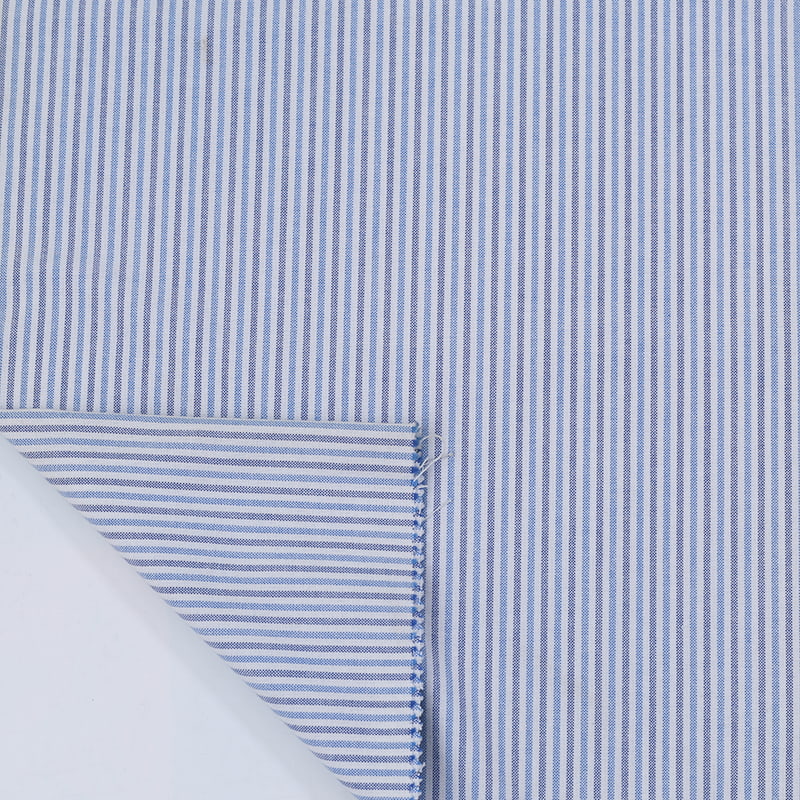
Oxford Fabric, also known simply as Oxford cloth, is a versatile textile renowned for its unique weave structure and exceptional performance characteristics. It holds a significant position in the fields of apparel, bags, and outdoor gear due to its signature tiny checked texture, durability, and breathability.
The popularity of this fabric stems from its perfect balance between formality and casual wear. Cotton Oxford cloth is often used to make the classic Oxford shirt, while Oxford fabric made from synthetic fibers (such as polyester) is a preferred material for backpacks, tents, and luggage due to its high strength and water resistance.
Key Origin and Development:
The origin of Oxford Fabric can be traced back to 19th-century Scotland. At that time, an innovative textile mill developed and promoted four distinct fabrics named after famous universities: Oxford, Cambridge, Yale, and Harvard. While the other three weaves have largely faded from the mainstream, Oxford fabric has endured and gained widespread popularity due to its unique structure and lasting durability.
It was initially introduced as a high-quality, hard-wearing shirting fabric and quickly became popular among students and the upper classes for its rugged yet refined texture, excellent breathability, and comfort, eventually becoming a global wardrobe classic.
The Oxford Weave: A Unique Basket Structure
The key to Oxford fabric’s distinctiveness lies in its Oxford Weave, which is a variant of the special Basket Weave Fabric.
Unlike a standard plain weave (where one warp thread alternates over and under one weft thread), the basket weave involves grouping multiple yarn threads together as a single unit during the weaving process. In a typical Oxford weave, multiple warp threads (vertical threads, often two fine threads paired together) are interwoven with one or more thicker weft threads (horizontal threads).
Characteristics of this Weave Structure:
- Double Warp Yarn: Typically, two fine warp threads are grouped together but treated as a single unit passing over the weft yarn.
- Single Weft Yarn: The weft yarn is usually thicker than the warp yarn and may be a different color (e.g., white warp and colored weft), which creates the fabric’s signature diced look or dotted effect.
- Structure: The warp yarn bundle interlaces with the weft yarn in an over-two, under-one or over-two, under-two pattern (the latter creating a coarser basket weave).
It is this unique yarn grouping and weaving method that gives Oxford fabric several key properties:
- Signature Texture: The surface exhibits an even, slightly coarse texture, rather than the complete smoothness of plain-weave fabrics.
- Enhanced Durability: The combination of multiple yarns woven together increases the fabric’s overall strength and resistance to tearing.
- Breathability: The small gaps created by the weave make it more breathable than many other tightly woven cloths.
Anatomy and Composition of Oxford Cloth
Detailed Explanation of the Oxford Weave Structure
The Oxford Weave is what textile engineers refer to as a 2x1 basket weave, meaning two warp yarns are treated as one unit passing over one weft yarn. This structure is fundamental to all the characteristics of Oxford cloth—from its hand feel to its appearance.
Weave Structure Parameter Comparison:
| Characteristic | Oxford Weave | Plain Weave / Broadcloth | Twill Weave |
|---|---|---|---|
| Yarn Interlacing | Warp bundles (usually 2 threads) pass over and under the weft yarn (usually 1 thread). | Single warp thread alternates over and under a single weft thread (one up, one down). | Warp threads float over multiple weft threads (e.g., two up, one down), forming a diagonal pattern. |
| Surface Texture | Signature tiny checks or dotted structure, slightly coarse. | Even, smooth, and flat. | Clearly visible diagonal lines (ribs). |
| Hand Feel / Weight | Relatively thick, durable, with a degree of stiffness (Drape). | Light, soft, and excellent drape. | Medium, thicker than plain weave, but softer than Oxford. |
| Breathability | Good (more breathable than twill and tightly woven plain weaves). | Excellent (most breathable). | Slightly poorer (due to tight weave). |
This loose yet organized weaving method gives Oxford cloth a characteristic thickness, making it more hard-wearing and opaque than ordinary Poplin or Broadcloth shirting fabric.
Types of Oxford Fabric
Although all Oxford fabrics follow the basic basket weave structure, several different types can be created by changing the fineness, density, and material of the yarns used, catering to needs ranging from formal wear to heavy-duty outdoor use.
| Oxford Type | Yarn Characteristics | Appearance and Hand Feel | Common Uses |
|---|---|---|---|
| Pinpoint Oxford | Uses finer yarns, usually 2 warp threads interlaced with 1 weft thread, with higher weave density. | Texture is smaller and more refined. Hand feel is smoother and softer than regular Oxford, with a slightly higher sheen. | High-end casual shirts, business casual shirts. |
| Royal Oxford | Uses extremely fine and high-quality yarns, often with a more complex basket weave (e.g., 3x3 or 4x4). | Most lustrous and luxurious feel. Texture is visible but very soft. | High-end dress shirts, fine ties. |
| Plain Oxford (Basket Oxford) | Classic 2x1 or 2x2 basket weave, coarser yarns, relatively loose weave. | Texture is clear, hand feel is rugged, and appearance is casual. Features characteristic durability. | Classic American casual Oxford shirts, casual outerwear. |
| Technical Oxford | Uses synthetic fibers like nylon or polyester, with thick yarns (high Denier D count), typically treated with PU or PVC coating. | Stiff hand feel, with water resistance and windproof functionality. | Backpacks, luggage, tents, outdoor covers. |
Materials Used in Oxford Fabric Production
Oxford fabric can be made from various fibers, which determine the final product's performance, cost, and suitability.
Cotton Oxford Fabric
- Properties: The cornerstone of classic shirting fabric. Pure cotton gives the fabric excellent breathability, wearing comfort, and a soft hand feel.
- Uses: Primarily used for making the classic Oxford Shirts; its natural fiber nature makes it suitable for everyday wearing and warmer climates.
- Hand Feel: Soft, highly absorbent, but prone to wrinkling and requires ironing.
Polyester Oxford Fabric
- Properties: Polyester Oxford Fabric is widely used for its superior durability, tear resistance, and water resistance. Its strength is often measured by the Denier (D) count (e.g., 420D, 600D, 1200D).
- Uses: Manufacturing high-performance backpacks, travel bags, tents, waterproof outerwear, and heavy-duty covers.
- Hand Feel: Ranges from light and thin to heavy and stiff depending on the Denier count. Typically wrinkle-resistant and easy to care for.
Blends and Other Fibers
- Cotton-Polyester Blends: Combines the comfort of cotton with the wrinkle resistance and durability of polyester. This is a common option that balances cost and performance.
- Nylon: Some high-end or extremely heavy-duty outdoor items will use nylon Oxford fabric, which is more abrasion-resistant than polyester but generally more expensive.
Unpacking the Signature Properties of Oxford Fabric
Essential Properties of Oxford Fabric
Oxford fabric’s sustained popularity is mainly due to the series of excellent properties conferred by its unique weave structure. These characteristics enable it to handle a wide range of applications, from delicate apparel to rigorous outdoor gear.
Durability and Strength (Durability and Strength)
The Oxford weave is the key to enhancing the fabric's strength. By treating multiple warp yarns (usually two) as a single unit during weaving, the yarn density and the overall thickness of the material are effectively increased.
- Tear Resistance: The basket weave structure allows the force to be distributed across multiple yarn threads rather than concentrated on a single thread when subjected to localized tension, significantly improving tear and abrasion resistance.
- Thickness and Toughness: Especially for synthetic Oxford fabric (like high-denier polyester Oxford), the yarns themselves are thick and tough. When combined with a PU (polyurethane) or PVC coating, synthetic Oxford cloth can withstand significant physical stress, friction, and heavy loads, making it an ideal choice for manufacturing heavy-duty bags.
Breathability and Comfort (Breathability and Comfort)
Although Oxford fabric is slightly thicker than plain-weave fabrics (like Poplin), its weave structure grants it good breathability, particularly evident in cotton Oxford cloth.
- Air Circulation: The basket weave is inherently more "loose" than a tight twill weave or highly refined plain weave. This relaxed structure creates tiny air channels between the yarns, allowing air and moisture (sweat) to pass through, ensuring the wearer remains relatively comfortable in warm environments.
- Moisture Wicking: For pure cotton Oxford shirts, the natural cotton fibers themselves have excellent moisture absorption and wicking properties, rapidly absorbing sweat and then dissipating it through the fabric structure, further enhancing wearing comfort.
Water Resistance and Suitability for Different Climates (Water Resistance and Suitability for Different Climates)
Oxford fabric’s performance in terms of water resistance varies greatly, which is entirely dependent on its material and finishing process.
| Oxford Type | Primary Material Composition | Source of Water Resistance | Applicable Scenarios |
|---|---|---|---|
| Natural Cotton Oxford | Pure Cotton | Inherent absorbency of the fiber and the thickness of the weave. | Low Resistance: Can withstand minor splashes but is not rainproof. |
| Polyester/Nylon Oxford (Uncoated) | Synthetic Fibers | Synthetic fibers inherently do not absorb water. | Medium Resistance: Splash-proof, dries quickly. |
| Technical Oxford (Coated) | Polyester/Nylon (e.g., 600D, 1200D) | PU/PVC coating applied to the back of the fabric. | High or Fully Waterproof: Suitable for outdoor use, rain gear, heavy-duty backpacks. |
For technical Oxford fabric, high Denier (D) count material combined with a waterproof coating not only prevents water penetration but also provides wind protection, making it a reliable choice for outdoor gear in harsh climates.
Drape, Texture, and Aesthetic Appeal (Drape, Texture, and Aesthetic Appeal)
- Texture: Oxford fabric's most prominent feature is its slightly coarse and clearly visible texture, presenting a fine, dotted, or checked appearance. This look distinguishes it from the smoothness of plain weave and the diagonal lines of twill, giving the garment a unique casual feel and "preppy" style.
- Drape: Compared to lightweight Poplin, Oxford fabric is usually heavier and thicker, resulting in a crisper drape. It holds its shape better and does not cling to the body, which helps Oxford shirts maintain a neat, structured appearance even when worn without a tie.
- Aesthetic Difference: Pinpoint Oxford has a finer, smoother texture with a certain sheen, making it appear more formal; while the ordinary Plain Oxford is more rugged and leans towards a casual or workwear style.
Diverse Applications and Uses
Common Uses of Oxford Fabric
Oxford fabric is widely used across various industries due to its exceptional durability, comfort, and versatility. Its applications differ significantly, primarily depending on its composition (cotton or synthetic) and weave type (fine or coarse).
Shirts: From Boardroom to Barbecue (Dress Shirts, Casual Shirts)
Oxford fabric in apparel is in the creation of shirts. Different types of Oxford cloth determine the formality and use case of the shirt.
| Oxford Type | Formality | Core Characteristics | Typical Uses |
|---|---|---|---|
| Pinpoint Oxford | Business Casual / Semi-Formal | Fine texture, smooth hand feel, moderate sheen. Lighter than other Oxford types. | Business casual shirts paired with a tie, high-end daily wear. |
| Royal Oxford | Near-Formal / Premium Casual | Features a noticeable sheen and complex texture; extremely soft and luxurious. | Near-formal shirts for special occasions, refined custom tailoring. |
| Plain Oxford (Basket Oxford) | Casual / Everyday | Texture is clear, hand feel is rugged, and appearance is casual. Features characteristic durability. | Classic American casual Oxford shirts, casual outerwear. |
Classic Oxford Shirt: Typically made from pure cotton or a cotton blend Plain Oxford, characterized by a button-down collar. It is an essential wardrobe item due to its durability and unique style that straddles the line between formal and casual.
Bags and Accessories (Backpacks, Tote Bags, Luggage)
In the bag industry, Oxford fabric almost exclusively refers to high-denier synthetic fiber (polyester or nylon) Oxford cloth. This material is an ideal choice for manufacturing durable and practical bags.
Advantages of Polyester Oxford Fabric:
- Extremely High Strength: The higher the Denier count (e.g., 600D, 1200D), the thicker and tougher the fabric, allowing it to withstand heavy loads and frequent friction.
- Waterproof / Splash-proof: Most Oxford fabrics used for bags are treated with a PU or PVC coating, making them waterproof or highly water-resistant to protect internal contents.
- Abrasion Resistance: Suitable for coping with the inevitable wear and tear during travel, commuting, and outdoor activities.
- Common Applications:
- Backpacks: Hiking backpacks, student backpacks, and everyday commuter bags.
- Travel Cases and Bags (Luggage): Soft-shell suitcases and travel bags, especially where lightness and durability are emphasized.
- Tote Bags: Heavy-duty shopping bags and tool bags.
Home Decor and Interior Textiles (Curtains, Upholstery)
Oxford fabric’s heaviness and durability also give it a place in interior decoration, especially where resilience and a specific structured look are required.
- Curtains: Heavy Oxford cloth (usually cotton or a thick blend) can provide good light-blocking and draping properties.
- Upholstery and Cushions: Used for casual sofa covers, outdoor furniture cushions, and rugs that require durability rather than extreme softness.
Tents and Outdoor Gear
Technical Oxford fabric is one of the mainstays of the outdoor industry.
- Tents: Lightweight coated polyester Oxford cloth is used for tent flysheets and groundsheets to provide necessary waterproofing and wind protection.
- Outdoor Covers: Heavy-duty Oxford fabric is used to make furniture covers, grill covers, or boat covers, protecting items from weather damage.
- Folding Chairs and Sleeping Bag Shells: Utilizing its strength and relative lightness.
A Balanced View: Pros and Cons
Advantages and Disadvantages of Oxford Fabric
As a versatile textile, Oxford fabric possesses many significant advantages but also some unavoidable drawbacks. Understanding these helps users make informed choices based on specific needs.
Advantages (Pros)
Oxford fabric's advantages mainly stem from its unique basket weave structure and the variety of material choices:
| Advantage Feature | Detailed Description | Primary Benefiting Uses |
|---|---|---|
| High Durability | The basket weave and multi-yarn structure give it excellent tear and abrasion resistance, resulting in a long lifespan. | Bags, outdoor gear, hard-wearing casual shirts. |
| High Versatility | Can be made from cotton, polyester, or blends, adapting to a wide range of needs from formal apparel to waterproof heavy-duty equipment. | Shirts, backpacks, home decor. |
| Good Breathability | Especially in the cotton version, the looseness of the weave allows air circulation, making it comfortable to wear. | Shirts, summer clothing. |
| Relatively Easy to Care For | Polyester Oxford is often wrinkle-resistant and dries quickly; cotton Oxford is hard-wearing despite needing ironing. | Travel apparel, everyday bags. |
| Crisp Appearance | The thicker structure gives the fabric a good drape, making garments less likely to become limp and helping them maintain their shape. | Business casual shirts, outerwear. |
| Economical | Especially polyester Oxford, it is highly cost-effective, making it an ideal material for mass manufacturing bags and outdoor products. | Bags and travel items for various budgets. |
Disadvantages (Cons)
Some of Oxford fabric's characteristics, while being the source of its strength, can also be viewed as drawbacks in certain contexts:
| Disadvantage Feature | Detailed Description | Mitigation Strategies |
|---|---|---|
| Prone to Wrinkling | Particularly pure cotton Oxford fabric; due to its thicker texture, wrinkles can be very noticeable and difficult to remove once folded or crushed. | Iron promptly; choose cotton-poly blends; hang garments carefully when storing. |
| More Casual Feel | Even Pinpoint Oxford has a more visible texture than smooth Broadcloth or fine Twill, making it less ideal for very formal evening wear or gowns. | Use Royal Oxford for higher requirements, but avoid for black-tie events. |
| Slower Drying Time | Due to the relatively thick and highly absorbent nature of cotton Oxford cloth, its natural drying time is usually longer than lightweight plain weaves. | Use a dryer on low heat; line dry instead of flat drying. |
| Bulkiness | Especially with high-denier polyester versions, the fabric can be overly thick and stiff, making it unsuitable for garments requiring extreme lightness or drape. | Choose low-denier counts (e.g., 210D) or Pinpoint Oxford. |
Maintenance and Longevity
How to Care for Oxford Fabric to Maximize Lifespan
Proper care is essential for maintaining the appearance, hand feel, and lifespan of Oxford fabric. Care instructions primarily depend on the fabric's composition—cotton Oxford and synthetic Oxford require different guidelines.
Washing Instructions: Machine Wash, Water Temperature (Washing Instructions: Machine Wash, Water Temperature)
Following the specific instructions on the garment or fabric label is the best practice, but here are general guidelines:
| Fabric Type | Recommended Washing Method | Water Temperature Advice | Key Considerations |
|---|---|---|---|
| Pure Cotton Oxford (Shirts) | Machine wash on Gentle Cycle | Cold or Warm Water (Max 30°C or 40°C) | Avoid Hot Water: Hot water can cause cotton fibers to shrink and colors to fade. |
| Cotton Blend Oxford | Machine wash regular or gentle cycle | Warm or cold water | Follow care requirements for the most sensitive fiber in the blend. |
| Polyester/Nylon Oxford (Bags) | Hand wash or spot clean; use a gentle cycle if machine washing | Cold Water | Avoid strong detergents that could damage the waterproof coating. |
- Detergent Selection: Use neutral or mild laundry detergent. Avoid detergents containing bleach or strong stain removal components, especially for colored or dark fabrics.
- Pre-treatment: For easily soiled areas like shirt collars and cuffs, apply a small amount of liquid detergent or pre-treatment spray before washing.
Drying Tips: Tumble Dry Low, Line Drying (Drying Tips: Tumble Dry Low, Line Drying)
Correct drying can reduce wrinkles in cotton Oxford cloth and protect the coating on synthetic fabrics.
- Pure Cotton Oxford:
- Recommendation: Line Drying. Immediately smooth out the shirt or garment after the spin cycle and hang it on a hanger to air dry naturally. This minimizes wrinkles.
- Tumble Dryer: If necessary, use a Tumble Dry Low setting and remove immediately. Over-drying can cause shrinkage and deep wrinkles.
- Synthetic Oxford (Bags):
- Strict Prohibition: Never use a tumble dryer, as high heat will destroy the PU or PVC waterproof coating on the back of the fabric, causing it to peel or the fabric to deform.
- Recommendation: After cleaning, use a towel to absorb excess moisture and air dry naturally in a well-ventilated, shaded area.
Ironing Recommendations (Ironing Recommendations)
Ironing is mainly for cotton and cotton blend Oxford shirts to restore their crisp and smooth appearance.
- Cotton Oxford Fabric:
- Requires a higher temperature to remove wrinkles. Typically use a steam iron on a Medium-High Setting (Cotton/Cotton Setting).
- Tip: Ironing is most effective when the garment is still slightly damp.
- Polyester/Nylon Oxford Fabric:
- Not Recommended for Ironing. If slight creases need removal, only use an Extremely Low Temperature (Synthetic/Synthetic Setting), and iron through a cloth to avoid direct contact with the hot iron, preventing the fabric from melting or damaging the coating.
Stain Removal Advice (Stain Removal Advice)
Promptly dealing with stains is key to maintaining the appearance of Oxford fabric.
- Act Quickly: Immediately blot the spill with a clean cloth or paper towel; avoid wiping, which can spread the stain.
- Spot Treatment: Use a small amount of mild liquid detergent or a dedicated stain remover, gently rubbing the stained area (avoiding excessive force).
- Rinsing: Thoroughly rinse the area with cold or warm water after treatment.
- Waterproof Coating Protection: When cleaning stains on synthetic Oxford fabric, always use mild detergent and a soft brush, avoiding overly stiff brushes or strong acid/alkaline cleaners, which can abrade or dissolve the waterproof coating.
Oxford Fabric vs. Other Fabrics
Oxford Fabric vs. Broadcloth (Poplin)
Poplin, often referred to as Broadcloth in North America, is a common shirting fabric. It differs significantly from Oxford fabric in appearance and hand feel, primarily due to their weaving methods.
| Characteristic | Oxford Fabric | Broadcloth/Poplin |
|---|---|---|
| Weave Structure | Basket Weave, multiple warp threads interwoven with one weft thread. | Plain Weave, single warp and single weft threads alternate simply. |
| Texture & Appearance | Signature dotted/tiny checked texture, slightly coarse surface feel. | Smooth, flat surface, texture extremely fine, almost invisible. |
| Thickness & Weight | Thicker, substantial hand feel, generally heavier than Poplin. | Light, soft, and lightweight hand feel. |
| Breathability | Good, but not as lightweight and breathable as Poplin. | Excellent, the first choice for summer and hot climates. |
| Formality | Casual to Business Casual (Pinpoint is closer to formal). | Formal, a common choice for dress shirts and tuxedo shirts. |
| Wrinkle Resistance | Prone to wrinkling. | Very prone to wrinkling. |
Summary: Choose Oxford fabric if you need a durable, textured, and structured everyday or casual shirt. Choose Broadcloth if you need a smooth, lightweight, and highly formal business shirt.
Oxford vs. Twill
Twill is another popular shirting fabric, including variations like Herringbone and Fishtail. Twill is characterized by a clearly visible diagonal texture, which contrasts sharply with Oxford fabric's checkered pattern.
| Characteristic | Oxford Fabric | Twill Fabric |
|---|---|---|
| Weave Structure | Basket Weave, yarns are dotted on the surface. | Twill Weave, yarns interlace diagonally. |
| Texture & Appearance | Dotted checkered texture, rugged (Plain) or refined (Pinpoint) quality. | Clear diagonal lines, surface has a slight sheen. |
| Thickness & Weight | Medium to thick. | Usually thicker and heavier, but with a softer drape than Oxford fabric. |
| Wrinkle Resistance | Prone to wrinkling. | Superior to Oxford. The twill weave structure makes it naturally more wrinkle-resistant. |
| Softness | Slightly stiff, strong structure. | Very soft, silky smooth hand feel, good drape. |
| Durability | Excellent tear and abrasion resistance. | Excellent, the twill weave also makes it very durable. |
Summary: Twill is often used for high-end dress shirts, particularly suitable for travel due to its wrinkle resistance and luxurious drape. Oxford fabric offers a coarser, more three-dimensional look.
Oxford vs. Poplin
As mentioned, Poplin is largely the same type of fabric as Broadcloth, both being plain weaves. This comparison further emphasizes the decisive impact of the weave structure on the final fabric properties.
| Characteristic | Oxford Fabric | Poplin |
|---|---|---|
| Core Difference | Thickness and Texture: Thicker, with a visible texture. | Lightness and Smoothness: Very light and smooth surface. |
| Wearing Experience | Structured, substantial, more durable, and warmer. | Cool, breathable, and light to wear. |
| Primary Function | Everyday, hard-wearing, substantial shirt. | Formal, refined, suitable for hot climates. |
Fabric Comparison Summary Table:
| Fabric Name | Weave Type | Typical Texture | Relative Weight | Relative Formality |
|---|---|---|---|---|
| Oxford | Basket Weave | Dotted / Checked | Medium-Thick | Casual / Business Casual |
| Poplin/Broadcloth | Plain Weave | Smooth / Non-textured | Lightweight | Formal |
| Twill | Twill Weave | Diagonal Lines | Medium-Thick | Semi-Formal / Formal |
Making the Right Choice
Is Oxford Fabric Right for You?
When deciding whether to choose Oxford fabric, you need to consider its intended use, local climate, and personal aesthetic preferences. Oxford fabric's versatility means it may be the best choice in some contexts and have better alternatives in others.
Consider the Intended Use (Consider the Intended Use)
Oxford fabric’s suitability is closely tied to the function you need it for:
| Intended Use | Recommended Oxford Type | Rationale | Alternative Choices |
|---|---|---|---|
| Everyday Work Shirt | Pinpoint Oxford or High-Quality Plain Oxford | Balances professionalism and durability, maintains structure without daily ironing. | Twill (better wrinkle resistance). |
| Heavy-Duty Backpack/Luggage | High-Denier Polyester/Nylon Oxford (600D+) | Coating provides high water resistance and tear resistance, able to withstand heavy loads and friction. | Canvas (heavier), Cordura (more expensive). |
| Summer Casual Shirt | Lightweight Cotton Oxford | Good breathability, casual appearance suitable for weekends or holidays. | Poplin (cooler), Linen (coolest). |
| Outdoor Gear/Covers | Coated Technical Oxford | Excellent waterproof, windproof, and sun protection functions, easy to clean. | Vinyl (stiffer). |
Think about Climate and Season (Think about Climate and Season)
Oxford fabric’s thickness and weave structure mean its performance varies in different climate conditions:
- Cool / Temperate Climates: Oxford fabric is an ideal year-round fabric. Its structure is warmer than lightweight Poplin, suitable for wearing alone in spring and autumn or as a layer in winter.
- Hot / Humid Climates: Pure cotton Oxford cloth has good moisture absorption, but its relatively thicker volume may not be as cool as Poplin or Linen. Choosing lightweight Pinpoint Oxford will be more comfortable.
- Rainy Climates: For outdoor and bag applications, coated synthetic Oxford fabric is an excellent choice, with water resistance far surpassing natural fiber fabrics.
Personal Style and Preferences (Personal Style and Preferences)
Oxford fabric holds a specific status in fashion and is usually associated with the following styles:
- Classic Preppy Style: The Oxford shirt is a core element of this style, representing a refined look that emphasizes quality while retaining a casual feel.
- Rugged Casual: The coarse texture and durability of Plain Oxford make it suitable for workwear or more relaxed daily attire.
- Texture Priority: If you prefer fabrics with a distinct texture and dimension, rather than a smooth or silky hand feel, Oxford fabric will be a better choice than Twill or Poplin.
Conclusion:
If you are looking for a piece (whether a shirt or a bag) that is durable, versatile, and can transition seamlessly between casual and semi-formal settings, Oxford fabric is a highly cost-effective material on the market due to its unique structure and adaptability.
FAQ
Your Oxford Fabric Questions Answered
- What does the Denier (D) count mean for Oxford fabric?
Denier is a unit of measure for fiber thickness and weight, primarily used for synthetic Oxford fabrics like polyester or nylon. A higher D count (e.g., 600D, 1200D) means the yarn is thicker, and the fabric is heavier, more substantial, and more durable. High D counts are typically used for bags and heavy-duty outdoor applications.
- Does pure cotton Oxford cloth shrink?
Yes, all pure cotton fabrics have a potential risk of shrinkage, especially when washed in hot water and tumble-dried at high heat for the first time. To minimize shrinkage, wash in cold or warm water and choose a low-temperature or line-dry setting.
- Is Oxford fabric truly waterproof?
This depends on the material. Pure cotton Oxford fabric is not waterproof; it is only splash-resistant. But technical Oxford fabric made from polyester or nylon can achieve high or complete waterproofing if treated with a PU (polyurethane) or PVC coating, making it suitable for backpacks, rain gear, and tents.
- What is the difference between "Oxford Cloth" and "Oxford Fabric"?
In English, "Oxford Cloth" and "Oxford Fabric" both refer to the same material and are often used interchangeably. Historically, "Oxford Cloth" might specifically refer to the cotton or blended version used for apparel, while "Oxford Fabric" often describes the synthetic version used for bags. They both originate from the same basket weave structure.
- Why is it called "Oxford"?
It is named after one of the four fabrics created by a Scottish mill in the 19th century to honor four famous universities (Oxford, Cambridge, Yale, and Harvard). Oxford fabric is the only one of these four weaves that has survived and is widely used today.