English
 中文简体
中文简体 Español
Introduction to Double Face Fabric
What is Double Face Fabric?
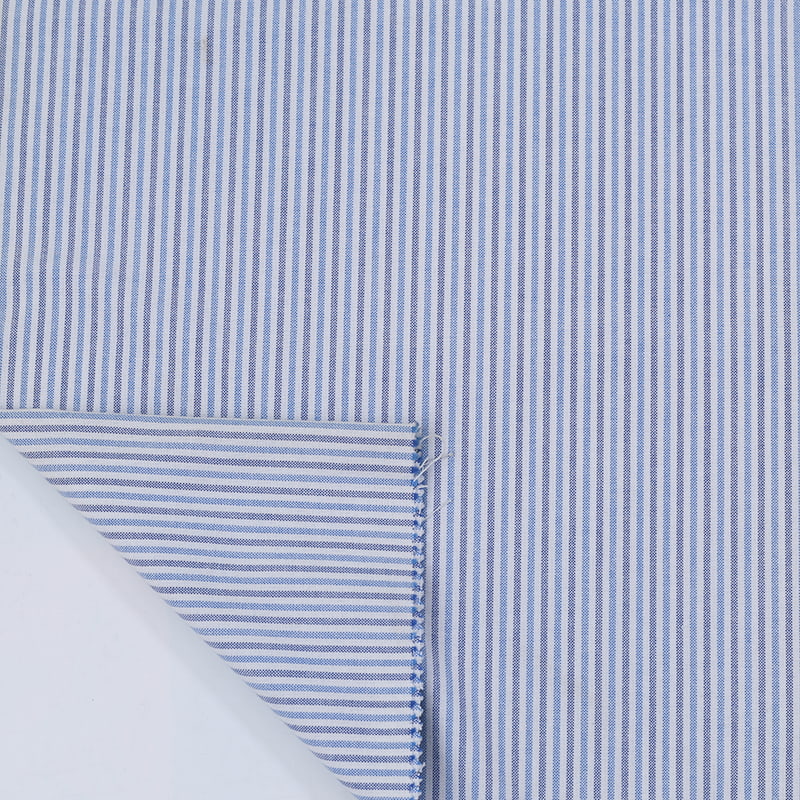
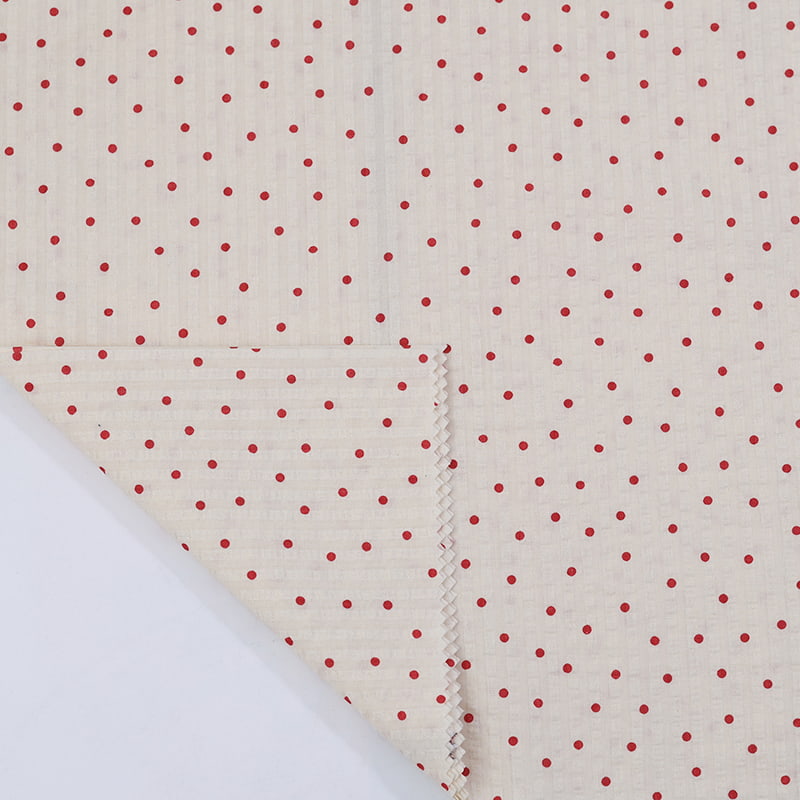
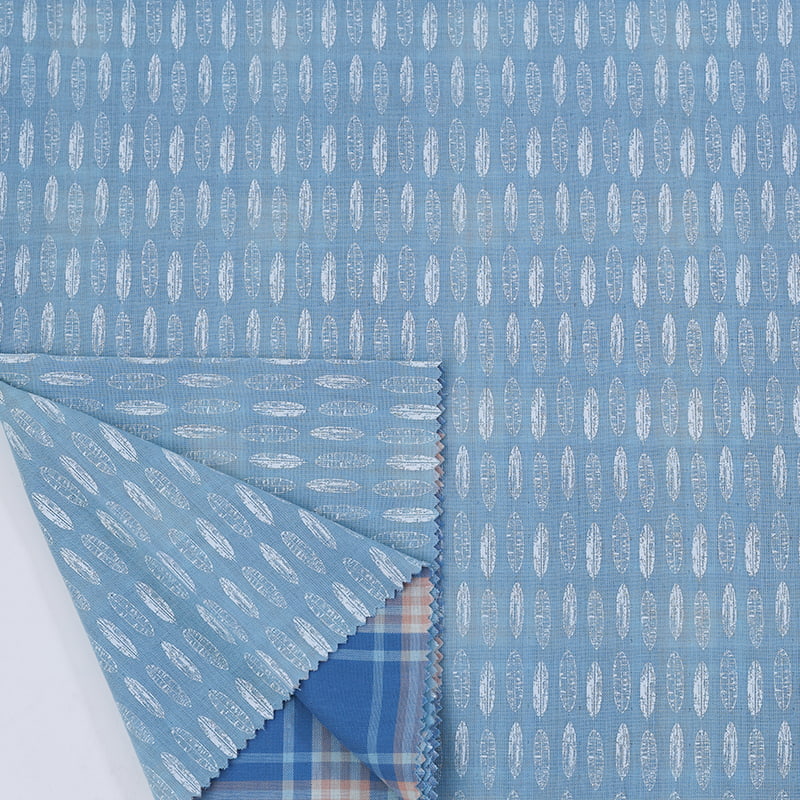
Double face fabric, also known as reversible fabric, is a versatile textile that features two distinct sides, each with its own color, pattern, or texture. Unlike regular fabrics where one side is the “right side” and the other is the “wrong side,” double face fabric is designed to be used on both sides, offering endless creative possibilities. This unique structure is achieved by weaving or knitting two layers of fabric together, which are either bonded or left loose depending on the specific fabric type.
Because of its dual-sided nature, double face fabric has gained popularity across various sectors, particularly in fashion and home décor. It’s a staple in garments and items that benefit from both visual appeal and practicality, making it a favorite among designers who seek innovative solutions for clothing and décor.
Brief History and Evolution of Double Face Fabrics
The concept of reversible textiles dates back to ancient civilizations, where artisans created double-faced woven fabrics for ceremonial and everyday use. These early versions were primarily handwoven and crafted from natural fibers like wool and silk. Over time, the techniques used to create these fabrics evolved, and today, modern technology has made it easier to create double face fabrics on a larger scale, allowing for more intricate designs and a wider range of materials.
Double face fabrics became particularly popular in the mid-20th century when designers began to experiment with reversible fashion. The fabric offered new possibilities for streamlined, versatile designs, especially in outerwear like coats and jackets. This trend continues today, with double face textiles used in everything from high-fashion dresses to cozy home accessories.
Benefits of Using Double Face Fabric
Double face fabric is a favorite among designers, crafters, and manufacturers due to its several unique benefits:
- Versatility: Double face fabrics offer two distinct looks in one piece of material, allowing for creative versatility in design. Whether it's for a reversible jacket or a home décor item that can be flipped for different moods, this fabric gives you double the options.
- Aesthetic Appeal: With its two-sided nature, double face fabric enhances the visual dimension of garments and accessories. This makes it ideal for creating striking, multifunctional pieces that stand out.
- Comfort and Durability: Many double face fabrics, like wool or cashmere, provide extra warmth and comfort, making them perfect for outerwear and cozy home textiles. The bonding or weaving methods also often increase durability, making these fabrics sturdy enough for daily use.
- Efficiency in Design: For those creating garments or home décor, double face fabric reduces the need for linings or additional fabric layers. It also simplifies the manufacturing process by eliminating the need to worry about which side should be facing outward.
Whether you're sewing a reversible coat or creating a stylish throw pillow, double face fabric offers a range of practical and creative benefits that will elevate your projects.
Types of Double Face Fabrics
Double face fabric comes in a variety of forms, each with unique characteristics that make them suitable for different uses. From knitted textiles to woven materials and specialty fabrics, there’s a wide array of options to explore. Let’s dive into some of the most common types of double face fabrics:
Double Knit Fabrics
Description and Characteristics
Double knit fabrics are made by knitting two layers of fabric simultaneously, using a special technique where the two layers are bonded together at intervals, creating a stretchy, flexible material. The resulting fabric is typically thicker and more stable than regular knit fabrics, with a smooth finish on both sides. Double knit fabrics tend to have a bit of give, making them comfortable to wear and ideal for structured garments.
One of the distinguishing features of double knit fabric is that both sides are identical in texture and appearance, making it a true reversible fabric. These fabrics often have a soft, luxurious feel, while maintaining their shape and structure even after repeated use or washing.
Common Uses
Double knit fabrics are widely used in fashion apparel, especially for creating form-fitting or structured garments. They are ideal for:
- Sportswear: Their durability and stretch make them perfect for activewear, including leggings, workout tops, and skirts.
- Dresses: Double knit fabric offers the perfect balance between comfort and structure for dresses, especially those with clean lines or tailored fits.
- Tops and Blouses: The smooth texture on both sides of double knit fabric is perfect for creating tops with polished finishes and minimal fuss.
- Skirts and Pants: The stretchability of double knit fabric also makes it an excellent choice for skirts and pants that need a bit of give without losing their shape.
Double Woven Fabrics
Description and Characteristics
Double woven fabrics are made by interlacing two layers of yarns at the same time, creating a fabric with a distinct pattern on each side. The two layers are often woven separately and then joined together, allowing for greater creativity in terms of color, texture, and pattern. These fabrics tend to be thicker and heavier, which adds structure and warmth.
The double weave construction often creates a contrast between the two sides, making it ideal for reversible designs that need to highlight different textures, colors, or patterns. The fabric can also be used to create intricate patterns that are only visible when the fabric is flipped over.
Common Uses
Double woven fabrics are highly valued for their durability and aesthetic appeal, making them ideal for various types of outerwear and home décor. Common uses include:
- Coats and Jackets: Double woven fabrics, especially those made from wool or other heavy fibers, are perfect for creating reversible coats, jackets, and blazers. These garments can be worn inside-out for different looks, providing excellent versatility.
- Upholstery: The durability and thick texture of double woven fabric make it ideal for upholstery, such as sofas and chairs. It adds an extra layer of comfort while also enhancing the look of the furniture.
- Tops and Sweaters: The structure of double woven fabric also lends itself well to sweaters, tunics, and tunic-style dresses, providing both warmth and style.
- Outerwear Accessories: Double woven scarves and shawls offer both function and flair, keeping you warm while providing a luxurious feel.
Bonded Double Face Fabrics
Description and Characteristics
Bonded double face fabrics are created by bonding two layers of fabric together using heat, adhesive, or a combination of both. Unlike double woven fabrics, which retain the integrity of their individual layers, bonded fabrics fuse the layers into a single, cohesive material. This construction results in a smooth, stable fabric that has the versatility of double face fabric without the bulkiness of separate layers.
The bonding process gives the fabric its unique properties, making it slightly stiffer and more structured than other double face fabrics. It also helps maintain the fabric’s shape over time, making it a good choice for structured garments that need to maintain their form.
Common Uses
Bonded double face fabrics are often used in garments and accessories that require a polished finish and durability. These fabrics are commonly found in:
- Structured Garments: Jackets, coats, and blazers made from bonded double face fabrics provide a sharp, tailored appearance, especially when used for outerwear.
- Accessories: Bonded double face fabrics are commonly used for creating handbags, totes, and other accessories that need to retain their shape and offer durability.
- Reversible Outerwear: Because of their stability and the clean, sharp edges created by bonding, bonded double face fabrics are excellent for creating sleek reversible outerwear with a high-end look.
- Luggage and Travel Accessories: Bonded double face fabric is sometimes used for making stylish and sturdy travel bags or luggage.
Specialty Double Face Fabrics
Specialty double face fabrics are high-end textiles often crafted from luxurious fibers like wool, cashmere, and silk. These fabrics offer both the functionality of double face construction and the luxurious qualities of their base fibers, providing comfort, warmth, and an elevated aesthetic.
Double Face Wool
Double face wool combines the natural warmth and softness of wool with the versatility of reversible fabric. This fabric is highly prized for outerwear, as it provides insulation without being overly heavy. The two sides of the wool fabric often feature different colors or textures, making it perfect for reversible coats, jackets, and capes.
Double Face Cashmere
Cashmere is a luxurious fabric known for its softness and insulating properties. When crafted into double face fabric, it combines the warmth of cashmere with the reversible versatility of double face construction. Double face cashmere is often used for high-end garments such as coats, shawls, and wraps, offering unmatched comfort and style.
Double Face Silk
Silk, prized for its smooth texture and sheen, becomes even more appealing when made into double face fabric. Double face silk offers a luxurious finish on both sides, making it a popular choice for reversible dresses, tops, and scarves. The fabric drapes beautifully, adding dimension and movement to garments while providing a sophisticated look.
Unique Properties and Applications
- Double face wool, cashmere, and silk fabrics are often reserved for high-end garments, such as luxurious coats and elegant evening wear, due to their premium feel and appearance.
- These specialty fabrics are often seen in couture collections and are sought after for their combination of functionality (warmth, comfort) and design potential (reversible, two-sided texture).
Applications of Double Face Fabric
Double face fabric is celebrated for its versatility, allowing designers to create stunning garments, accessories, and home décor items with unique, reversible properties. The ability to use both sides of the fabric not only adds creative possibilities but also enhances the functionality of the finished products. Whether you’re creating a chic fashion piece or a cozy home accessory, double face fabric offers an array of opportunities for stylish and practical applications.
Fashion Apparel
One of the most popular uses of double face fabric is in fashion. Its dual-sided nature allows designers to create garments that offer multiple looks in one. Whether it’s for coats, dresses, or tops, double face fabric offers a refined finish, making it ideal for versatile clothing pieces that can be worn in different ways.
Coats and Jackets
Coats and jackets are perhaps the most common and practical use of double face fabric. The ability to wear a reversible coat or jacket means two looks in one piece. Designers can play with contrasting colors or textures, allowing the wearer to switch up their style depending on the occasion or mood.
- Reversible Outerwear: Double face fabric lends itself beautifully to reversible coats and jackets, where each side offers a completely different look. For example, one side might feature a rich wool texture, while the other side could have a sleek, smooth finish, like cashmere or silk. This makes double face coats perfect for those who want to get the most out of their investment, offering both practical functionality and style.
- Warmth and Comfort: Outerwear made from double face wool or cashmere provides unparalleled comfort and warmth. These fabrics trap heat while remaining lightweight, making them ideal for cold weather without the bulkiness associated with traditional outerwear fabrics.
- Tailored and Structured Designs: Double face fabric is excellent for creating structured outerwear like blazers, pea coats, and trench coats. The sturdy nature of the fabric allows it to hold its shape, creating sharp, polished lines that are both flattering and timeless.
Dresses and Skirts
Double face fabric is also ideal for creating dresses and skirts that offer dimensional appeal. With its reversible nature, double face fabrics allow for the creation of two distinct looks, making it perfect for designing garments with versatile silhouettes.
- Reversible Dresses: Dresses made from double face fabrics can be worn inside-out, providing different color options or textures. This is especially useful for casual, day-to-night dresses that need to be versatile and easy to wear. A dress made of double face fabric can offer a bold print on one side and a solid color on the other, allowing the wearer to easily change their style without changing clothes.
- Unique Silhouettes: Double face fabric adds dimension and texture to skirts and dresses. Its dual-sided nature can create dramatic, flowing styles or structured looks. For example, a double face silk dress could drape beautifully with soft, luxurious movement, while a double face wool skirt could be made with sharp pleats or clean lines for a more structured appearance.
Tops and Blouses
Tops made from double face fabric offer an extra layer of style, with both sides of the fabric contributing to the overall design. The added texture and finish on each side create interest and depth, making these garments stand out.
- Reversible Tops: Whether it’s a casual blouse or a more formal top, double face fabric provides options for a range of looks. Imagine a soft cashmere sweater with one side featuring a bold pattern and the other a more understated tone, perfect for switching between casual and dressed-up occasions.
- Layered Styles: Double face fabric also works well for creating tops with interesting layered looks. The two sides of the fabric can be used to create exposed seams, hems, or collars, adding an extra level of detail to a blouse or shirt.
Home Décor
Double face fabric is equally beloved in the world of home décor, offering stylish, reversible pieces that enhance any living space. Its dual-sided texture and appearance provide added versatility and luxury, allowing you to change the look of your home with minimal effort.
Blankets and Throws
One of the most common home décor uses for double face fabric is in the creation of blankets and throws. The luxurious feel of fabrics like cashmere, wool, or silk combined with the reversible nature of the material makes for cozy yet sophisticated home accessories.
- Warm and Elegant: Double face wool or cashmere throws offer both warmth and aesthetic appeal, with each side often featuring a different texture or pattern. These throws are perfect for adding a touch of luxury to your couch or bed while keeping you warm during colder months.
- Reversible Patterns: For a modern touch, double face throws and blankets often feature contrasting colors or bold patterns on each side, allowing you to mix and match with your interior design. Whether you’re going for a minimalist look or a more eclectic style, double face blankets can complement a wide range of décor themes.
Pillows and Cushions
Reversible pillows and cushions are another popular application of double face fabric. The ability to switch between different patterns or colors makes double face pillows a versatile addition to any room, offering fresh options for seasonal or mood-driven décor.
- Dual-Textured Designs: Double face fabric allows designers to incorporate rich textures, such as velvet on one side and a smooth cotton or linen on the other. This adds an extra level of depth to your home’s design.
- Easy Décor Updates: With double face pillows, you can easily update the look of your living space by flipping pillows to change the color palette. This is a quick and affordable way to refresh your décor without buying new pieces each season.
Curtains and Drapes
Double face fabric is also an excellent choice for curtains and drapes, offering both elegance and functionality. The fabric’s versatility means that you can have one side complementing the rest of your room's color scheme, while the other side adds a contrasting or complementary hue for variety.
- Reversible Drapes: Reversible curtains provide a perfect solution for those who want to create a dynamic and changing look in their living room or bedroom. The fabric’s dual-sided quality allows for a more customized window treatment, which can be altered depending on the time of year or the desired ambiance.
- Luxury and Durability: Fabrics like double face silk or wool can add both luxury and durability to window treatments. These fabrics not only look beautiful but also provide thermal insulation, keeping rooms warm in the winter and cool in the summer.
Accessories
Double face fabric is also highly valued in the creation of accessories, from scarves and wraps to handbags and totes. The fabric’s ability to provide multiple looks in one item is perfect for creating statement pieces that can elevate any outfit.
Scarves and Wraps
A double face scarf offers two different looks depending on how it’s styled, making it a practical and fashionable accessory. The dual-sided texture adds interest and sophistication, whether it's a solid cashmere scarf with a contrasting border or a two-toned silk wrap.
- Versatile Styling: Scarves made from double face fabrics can be worn in various ways, giving the wearer more options for styling. Whether draped elegantly or knotted at the neck, a double face scarf enhances any outfit.
- Luxury Fabrics: Double face silk or wool scarves are particularly popular for their softness and warmth. These scarves often feature contrasting sides that make them suitable for both formal and casual occasions.
Handbags and Totes
Handbags and totes made from double face fabrics combine durability with style. The versatility of double face fabric allows for the creation of bags that can be reversed to reveal different colors, textures, or patterns, making them functional and fashionable accessories.
- Reversible Handbags: Reversible tote bags or handbags are incredibly popular, providing an option for the owner to change the appearance of the bag depending on the season or occasion. For example, one side might feature a sleek leather texture, while the other could have a soft fabric or bold pattern.
- Structured Designs: Bonded double face fabrics are commonly used in handbags for their sturdiness, allowing designers to create structured bags that maintain their shape over time.
Sewing with Double Face Fabric
Sewing with double face fabric offers the exciting opportunity to create garments and accessories that are stylish, functional, and versatile. Whether you're making reversible coats, dresses, pillows, or home décor items, understanding how to handle double face fabric properly is essential to achieving clean, polished results.
Preparation
Before diving into any sewing project, it's crucial to properly prepare your double face fabric. The fabric's unique structure requires a bit more attention during the pre-sewing phase to ensure that your finished piece turns out as intended.
Pre-Washing and Handling Tips
Like most fabrics, double face textiles need to be pre-washed before sewing to account for any shrinkage and to remove any residual chemicals. However, because of the fabric’s two-sided nature, pre-washing can be a bit trickier, especially with materials like wool, cashmere, or silk. Here are a few preparation tips:
- Check Care Labels: Always check the manufacturer's care instructions before washing. Some double face fabrics, especially specialty ones like cashmere or silk, may require hand washing or dry cleaning, while others (like cotton or wool) may be machine washable.
- Pre-Shrinking: To avoid any surprises after completing your project, pre-wash the fabric to shrink it (if necessary) and make sure it’s clean. Wash using the appropriate method for the fabric (cold or lukewarm water) and allow it to air dry or tumble dry on a low setting.
- Pressing the Fabric: After washing, press the fabric gently using the appropriate heat setting for the fibers. Pressing helps to remove wrinkles and ensures that the fabric lays flat, which is essential for accurate cutting and sewing.
- Handle with Care: Double face fabric can be slippery, especially if it’s made from smooth materials like silk or cashmere. When handling, try to keep the fabric on a flat surface to avoid stretching or distorting it, particularly when working with specialty fabrics.
Choosing the Right Needles and Thread
The choice of needles and thread is essential when sewing double face fabric, as these textiles often feature delicate fibers and require precise stitching to prevent damage. Here's how to make sure you're properly equipped:
- Needle Selection: Use a fine needle that’s appropriate for the fabric type. For example, use a universal needle (70/10 or 80/12) for lighter fabrics like silk or cotton blends, and a jeans/denim needle (90/14) for heavier double face wool or cashmere fabrics. Be sure the needle is sharp enough to glide through both sides of the fabric without causing snags or pulls.
- Thread Selection: Choose a thread that matches the texture and weight of your fabric. For example, use cotton thread for lighter fabrics and polyester thread for sturdier textiles. If you are making a reversible garment, ensure that the thread color complements both sides of the fabric, or opt for a neutral color to avoid clashing.
Cutting Techniques
Cutting double face fabric requires extra attention to detail, as the fabric's two-sided nature can sometimes create challenges with alignment and symmetry. These cutting techniques will ensure your pieces are symmetrical and maintain the desired structure.
Laying Out Patterns Efficiently
When cutting double face fabric, one of the first things to consider is how to lay out your pattern pieces. The goal is to ensure that the fabric’s two sides are used effectively to create the desired look, without wasting material or compromising the fabric's integrity.
- Pattern Alignment: If you're working with fabric that has different patterns or textures on each side (like a wool coat with a solid side and a patterned side), be mindful of how you align your pattern pieces. Ensure that the fabric’s “right” sides are facing each other when cutting, especially if the pieces will be stitched together in a way that highlights both sides.
- Cutting Direction: Some double face fabrics, such as those with knit or woven textures, may have a distinct “grain” or stretch direction. Make sure that you cut your fabric according to its grain to maintain proper stretch and prevent distortion. For example, if you’re using a double knit fabric, cut the pieces in the same direction to maintain the fabric’s stretch characteristics.
- Pattern Placement: For reversible garments, place the pattern pieces so that the designs or textures on each side of the fabric are properly aligned. For example, a jacket might have a solid color on one side and a print on the other. By carefully placing your pattern, you can ensure that the print is centered and aligned with the solid color.
Ensuring Symmetrical Cuts
When working with reversible fabrics, symmetry is key. To ensure that both sides of the fabric match up correctly, follow these cutting tips:
- Use Weights or Pins: Double face fabric can shift or slip during cutting, especially if it's lightweight or smooth. Use fabric weights or pins to hold the fabric in place and ensure precise cuts.
- Cutting Tools: Invest in sharp scissors or a rotary cutter for clean, straight edges. A rotary cutter, in particular, is excellent for cutting through multiple layers of fabric at once, ensuring an even cut.
- Cut Slowly and Carefully: Take your time when cutting double face fabric, especially if you're working with a large or complex pattern. Slowing down ensures that each piece is cut accurately, which is especially important for reversible garments where the alignment of the fabric plays a major role in the overall design.
Seam Construction
Seam construction is a crucial step in sewing double face fabric, as the goal is to create seams that are both strong and discreet, allowing the fabric's reversible quality to shine through. Here’s how to approach seams with double face fabric:
Appropriate Seam Types for Double Face Fabrics
Double face fabrics require seam types that won’t interfere with the fabric’s reversible nature. Several seam types can work well with double face fabric:
- French Seams: A French seam is an ideal option for double face fabrics because it encloses raw edges within the seam, preventing fraying. This type of seam is especially useful when working with delicate fabrics like silk or wool, where you don’t want the raw edges to be visible.
- Flat-Felled Seams: A flat-felled seam is a great option for heavier fabrics like double face wool or denim. It’s a strong, durable seam that’s also neat and tidy on both sides, making it perfect for outerwear or garments that need extra durability.
- Double-Needle or Twin-Needle Seams: If you're using a sewing machine, a double-needle seam can help create a clean, professional finish for double face fabrics. This method allows for a parallel stitching line that adds an extra touch of detail.
Tips for Minimizing Bulk
Double face fabrics can sometimes be bulky, especially when working with heavier textiles like wool or cashmere. Here’s how to reduce bulk and create smooth seams:
- Trim the Seam Allowances: If the fabric is particularly thick, consider trimming the seam allowances to reduce bulk. This will help keep the garment or item sleek and comfortable to wear.
- Press the Seams: Press each seam carefully after sewing to ensure that it lays flat and doesn’t create unwanted bulges. Be mindful of the fabric’s heat tolerance, particularly with delicate fibers like silk or cashmere.
- Use Thinner Interfacing: If you need to add extra structure to your project, opt for lightweight interfacing to avoid unnecessary bulk. Thinner interfacing will provide stability without interfering with the fabric's reversible properties.
Finishing Techniques
Finishing techniques help ensure that your double face fabric projects are both aesthetically pleasing and long-lasting. Proper finishing will maintain the fabric’s integrity, prevent fraying, and create professional-quality garments and accessories.
Hand-Stitching Methods
Hand stitching can be a great finishing touch for double face fabric projects, especially when you need to ensure a delicate, seamless look.
- Slip Stitching: For hems or finishing edges on reversible garments, slip stitching can secure the fabric without showing visible stitching on the front side. This is especially useful for lightweight fabrics like silk or cashmere.
- Whip Stitching: This technique is helpful when you need to finish seams or edges where the stitching won’t be visible. It’s ideal for finishing off hems or adding detail to the interior of garments.
Machine-Finishing Options
If you're using a machine for your project, consider these finishing options:
- Overlocking (Serger): If you have a serger, overlocking the edges of your fabric will give a clean, professional finish. This is especially helpful for fabrics that tend to fray, like knit or woven double face textiles.
- Zigzag Stitching: A simple zigzag stitch can help prevent the edges of the fabric from fraying, especially when working with heavier double face fabrics. Use a zigzag stitch along raw edges for a quick and effective finish.
Care and Maintenance of Double Face Fabric
Double face fabrics, with their unique dual-sided nature, offer versatility and style in a wide range of applications. However, caring for these fabrics properly is crucial to maintaining their appearance, longevity, and overall performance. Whether you're working with a luxurious wool, cashmere, or silk fabric, or a more durable double knit or woven fabric, the care and maintenance process can vary depending on the type of fabric used.
Washing Instructions
When caring for double face fabric, the washing process is one of the most important steps in ensuring your item retains its beauty and functionality. Since double face fabric often features delicate fibers or intricate weaving techniques, it’s important to follow specific washing instructions to avoid damaging the fabric or altering its shape.
General Guidelines for Washing Double Face Fabric
Before washing any double face fabric, always check the manufacturer’s care label for specific instructions. Most double face fabrics can be machine washed, but delicate textiles like cashmere, silk, or wool require extra care to avoid shrinking or fabric distortion. Below are general washing guidelines for common types of double face fabrics:
- Double Knit Fabrics: Double knit fabrics are typically durable and machine washable. To prevent the fabric from stretching out of shape, wash in cold water on a gentle cycle. Avoid using harsh detergents or fabric softeners, as these can weaken the elasticity of the fibers. If you're working with a double-knit cotton or polyester blend, a warm wash may be suitable.
- Double Woven Fabrics: Woven fabrics, especially those made from wool, linen, or cotton, often require more careful handling. Wash double woven fabrics in cold water and choose a gentle cycle to avoid stressing the fibers. Wool blends and fine cotton should always be washed in a mesh laundry bag to protect the fabric from friction. If the fabric has a wool or silk component, consider using a wool-specific detergent to preserve its quality.
- Bonded Double Face Fabrics: Bonded double face fabrics are typically more resilient, but their structure can be damaged if subjected to harsh washing conditions. Always use cold water and a gentle cycle, and avoid any form of agitation or spinning that could break the bond between the layers. For bonded fabrics, hand washing is often the safest method to preserve the integrity of the fabric.
- Specialty Fabrics (Cashmere, Wool, Silk): Double face cashmere, wool, and silk require the most delicate care. These fabrics should be hand washed or dry cleaned to prevent shrinking, fading, or stretching. For hand washing, use lukewarm water with a mild detergent designed for delicate fabrics. If you're washing silk or wool, avoid wringing or scrubbing, as this can damage the fibers.
Spot Cleaning
For minor stains, spot cleaning can often be the best approach to avoid the need for a full wash. For wool, cashmere, and silk, blot the stain gently with a clean cloth soaked in cold water, then allow the fabric to air dry. For double knit or double woven fabrics, spot clean using a fabric-safe detergent and a damp cloth. Always test on a small inconspicuous area before treating a larger section.
Drying Tips
Drying double face fabric requires extra attention, as improper drying can lead to shrinking, distortion, or damage to the fabric’s integrity. How you dry your fabric will depend on its fiber content and structure.
General Guidelines for Drying Double Face Fabric
- Air Drying: The safest method for drying double face fabric, especially delicate textiles like wool, cashmere, and silk, is to air dry. Lay the garment or fabric flat on a clean, dry surface or drying rack to maintain its shape. Avoid hanging these fabrics, as this can stretch them out.
- Tumble Drying: While some double face fabrics (like double knits) may be able to handle low-heat tumble drying, it's best to err on the side of caution. For knit fabrics, use a low heat setting and remove the garment immediately when it's dry to avoid excessive heat exposure. Always check the fabric's care label for specific drying instructions.
- Dry Cleaning: For luxury double face fabrics such as silk, cashmere, and fine wool, dry cleaning is often the best method to preserve the fibers. Professional dry cleaners can handle these fabrics with care, ensuring they maintain their original texture and shape.
Avoiding Shrinkage
To prevent shrinkage, always avoid hot water and high heat during both washing and drying. Many double face fabrics, especially wool, cashmere, and silk, are sensitive to temperature changes. Always wash these fabrics in cold water and air dry to avoid shrinking, stretching, or altering the texture of the fibers.
Drying Bonded Fabrics
If you are working with bonded double face fabric (such as bonded wool or leather), avoid tumble drying. Heat can damage the adhesive bond between the two layers of fabric. Instead, air dry these fabrics flat, and never wring or twist them, as this could distort the shape or affect the integrity of the bond.
Storage Recommendations
Proper storage is crucial for ensuring your double face fabric garments and home décor items retain their shape and quality over time. Double face fabrics are often more prone to damage than single-layer fabrics, so it’s important to store them correctly to preserve their texture, structure, and appearance.
Storing Garments Made from Double Face Fabric
- Hanging Garments: For garments like jackets, coats, and blazers made from double face fabric, use wide, padded hangers to prevent the fabric from stretching or warping. If the garment is particularly heavy (like a wool or cashmere coat), opt for a sturdy hanger that will support the weight and avoid sagging.
- Avoid Plastic Garment Bags: Plastic garment bags can trap moisture, which may lead to mildew or fabric degradation. Instead, store double face fabric garments in breathable cotton garment bags to allow air circulation. This will help prevent damage while also protecting the fabric from dust and dirt.
- Storing Sweaters and Knits: For double face knitwear (like cashmere or wool sweaters), fold the garments carefully and store them in a drawer or on a shelf, avoiding any heavy pressure that might cause them to lose their shape. Keep the sweaters away from direct sunlight, as UV rays can cause colors to fade over time.
- Silk and Delicate Fabrics: Silk and delicate double face fabrics should be stored away from direct sunlight and heat sources. Store them in a cool, dark place, ideally in a fabric storage bag made of breathable material, to prevent color fading and fabric degradation.
Storing Home Décor Items Made from Double Face Fabric
For home décor items such as pillows, throws, and blankets made from double face fabrics, proper storage is essential to prevent wear and tear:
- Blankets and Throws: Fold double face blankets or throws neatly and store them in a cool, dry area, such as a linen closet. For long-term storage, place them in a breathable fabric storage bag to protect them from dust, dirt, and potential damage.
- Pillows and Cushions: For pillows, remove any removable covers before storing them, and if possible, store the covers separately. If you’re storing cushions, keep them in a cool, dry area, and avoid putting any heavy items on top of them, as this can cause them to lose their shape.
- Curtains and Drapes: Store curtains and drapes made from double face fabric in a dry, cool place to avoid wrinkles and mildew. If you’re storing them long-term, consider rolling them instead of folding them to reduce creases. For drapes with delicate fabrics like silk, avoid direct contact with harsh light and humidity.
Protecting Double Face Fabric from Moths and Pests
Double face wool and cashmere fabrics are often vulnerable to damage from moths and other pests, especially when stored in dark, warm places. To prevent damage, consider using mothballs, cedar blocks, or other natural pest deterrents in your storage space. Always check your garments periodically to ensure they remain free from pests.
Preventing Fabric Fading and Damage
To keep double face fabric looking its best, avoid exposing it to excessive sunlight, as UV rays can cause fabrics to fade and weaken. Additionally, avoid using harsh chemicals, bleach, or strong detergents that can damage the fibers and affect the texture of the fabric. Instead, use mild detergents designed for delicate fabrics and always follow care instructions to preserve the quality of the fabric.