English
 中文简体
中文简体 Español
Introduction of children's fabrics
The responsibility of dressing a child extends far beyond mere aesthetic appeal or seasonal appropriateness. It is a critical decision that directly impacts the child’s physical comfort, skin health, safety, and ability to move freely throughout their incredibly active day. For manufacturers, designers, and discerning parents, the choice of raw kids clothing material is the single most important factor, determining everything from breathability and temperature regulation to the garment’s longevity and its environmental footprint. This comprehensive guide aims to peel back the layers of the textile world, moving beyond common cotton and polyester, to explore specific and often superior options crucial for high-quality children's wear fabrics.
The foundational premise is simple: children’s skin is significantly more sensitive and absorbent than adult skin. Their bodies are less efficient at regulating temperature, meaning a fabric that traps heat can quickly lead to discomfort, overheating, or sweat rashes. Therefore, the selection of safe fabrics for kids is not just about avoiding irritating textures but about ensuring the material is free from harsh chemicals, heavy metals, and toxic dyes that can leach into the skin. This focus on non-toxic and hypoallergenic options defines the modern standard for kids apparel. When considering the various choices in the market, an informed decision requires understanding the microscopic properties of the fiber, the construction of the weave, and the necessary care instructions that follow. A poorly chosen fabric, even if stylish, can compromise a child's health and happiness, while a well-selected material contributes positively to their well-being and active lifestyle.
Furthermore, children's fashion is characterized by relentless activity and frequent washing cycles. A typical child’s garment will face more mechanical stress and laundering events in one year than most adult clothing experiences in five. This mandates an exploration into durability. A fabric must be able to withstand repetitive friction from play and the chemical and thermal stress of washing machines and dryers. Durability is intrinsically linked to sustainability, as longer-lasting clothes reduce consumption and waste, making the pursuit of robust comfortable fabrics for kids an economic and an ecological imperative. Parents are increasingly looking for eco-friendly fabrics and sustainable fabrics that minimize impact, and the textile industry has responded with innovative, bio-based alternatives.
This guide delves into the specific fabric properties of five distinct textile types that offer solutions across a spectrum of needs, from formal occasions and deep winter warmth to humid summer agility and ethical consumption. We will systematically analyze each fabric, examining its definition, its inherent advantages and disadvantages, and its optimal placement within a child’s wardrobe. The fabrics under the microscope are:
Crepe Fabric: Often misunderstood in the context of children's clothing, this material is traditionally associated with a crimped or puckered texture, giving it a beautiful drape. We explore how modern, softer crepe variations (often synthetic or highly processed natural fibers) can lend elegance and wrinkle resistance to special occasion wear without sacrificing comfort. Understanding its specific weave and finishing is key to leveraging its unique aesthetic in children's fashion.
Flannel Fabric: The quintessential cold-weather companion, flannel fabric is celebrated for its dense, brushed surface that maximizes insulation. While its warmth is its primary virtue, we will detail why the quality of the cotton or wool used is paramount to prevent pilling and maintain its cherished softness, ensuring it remains one of the most comfortable and durable materials for winter kids apparel.
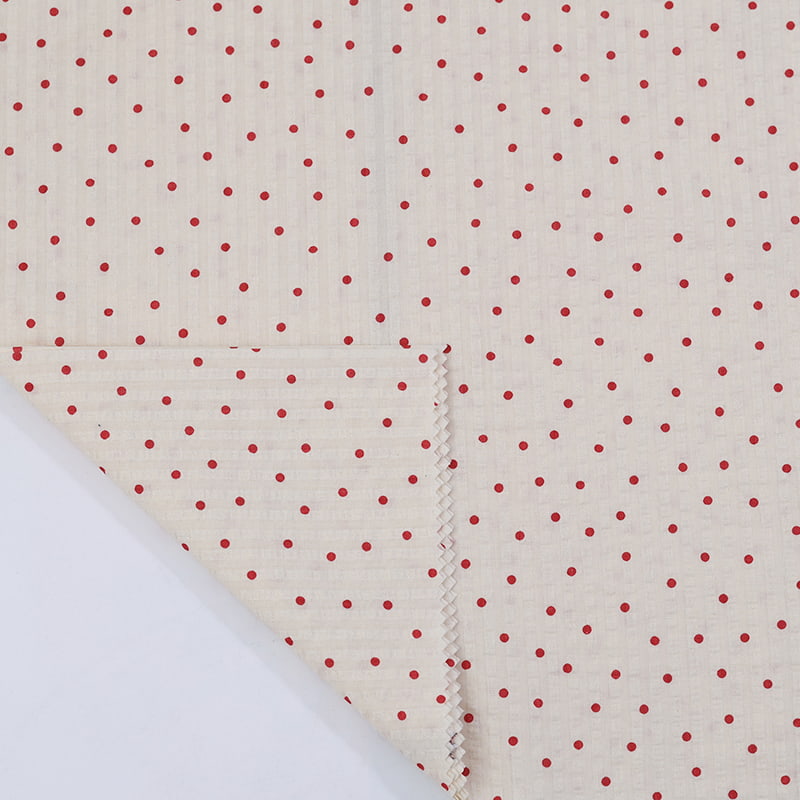
Seersucker Fabric: A revolutionary summer fabric, seersucker fabric stands out due to its distinctive woven pucker, which magically keeps the majority of the cloth away from the skin. This feature creates a micro-air gap, promoting extraordinary airflow and making it a champion for hot, sticky environments. Its no-iron nature further cements its position as a highly practical choice for busy parents seeking lightweight and airy options.
Voile Fabric: The epitome of lightness and airiness, voile fabric is a sheer, soft, plain-woven textile, usually made from cotton or a cotton blend. Its extreme fineness and low density make it supremely breathable. However, its delicate nature and sheerness present unique challenges and limitations regarding durability and lining requirements, which must be carefully considered when designing summer children's wear.
Tencel Fabric: Representing the pinnacle of sustainable textile innovation, tencel fabric is a wood pulp-based cellulosic fiber manufactured using an environmentally responsible, closed-loop process. Tencel delivers extraordinary softness, moisture management, and inherent durability, positioning it as a leading choice among eco-friendly fabrics for modern, sensitive, and high-performance children’s garments.
|
Fabric |
Primary Texture/Feature |
Ideal Use |
Key Benefit |
Key Drawback |
|---|---|---|---|---|
|
Crepe |
Crimped, crinkled, or pebbled surface |
Special occasion dresses, lightweight blouses |
Excellent wrinkle resistance and elegant drape |
Coarser varieties can irritate sensitive skin |
|
Flannel |
Dense, soft, fuzzy surface |
Winter pajamas, heavy shirts, blankets |
Maximum thermal insulation and superior softness |
Too warm for summer, prone to shrinkage (cotton) |
|
Seersucker |
Distinctive striped pucker |
Summer suits, shorts, casual dresses |
Maximum non-cling airflow; requires no ironing |
Limited natural stretch; texture can be slightly abrasive |
|
Voile |
Sheer, open, very fine plain-weave |
Summer tunics, delicate linings, beach cover-ups |
Supreme breathability and extremely lightweight |
Low durability, highly prone to snags and tearing |
|
Tencel |
Extremely smooth, fluid drape, uniform surface |
High-performance basics, athletic wear, sensitive skin apparel |
Exceptional moisture management (better than cotton), high durability, sustainable |
Higher initial cost than conventional cotton |
By the end of this guide, the reader will be equipped with the in-depth knowledge necessary to make informed choices that harmonize practicality, comfort, safety, and ethical consideration, ensuring the children’s wardrobe is as nurturing and supportive as the environment they grow up in. The subsequent sections will provide the detailed analysis required to master the subtle differences and optimal uses of these five important kids clothing material types. The goal is to elevate fabric selection from a simple purchase decision to a highly analytical and responsible commitment to a child's well-being. This deeper understanding is essential for anyone serious about the quality and performance of best fabric for children.
Why Fabric Choice Matters for Children's Clothing?
The selection of kids clothing material is a deeply impactful decision that extends beyond the superficial aspects of design and cost. It fundamentally relates to a child's physical health, emotional comfort, and the overall practicality of the garment. For parents, designers, and manufacturers, prioritizing the right children's wear fabrics is an investment in well-being and longevity. This section delves into the three pillars of fabric consideration: Comfort, Safety, and Durability, and explores the vital role of breathability and appropriate temperature regulation, establishing why these fabric properties are non negotiable for high quality kids apparel.
The Imperative of Comfort
Comfort is the most immediate and tangible measure of a fabric's suitability for a child. Children are highly active, constantly moving, bending, and playing, which requires clothing that moves with them, not against them. Comfortable fabrics for kids are those that possess a smooth, non abrasive texture, adequate elasticity, and the ability to minimize skin friction.
Texture and Tactile Sensitivity: A child's tactile sensory system is more acute than an adult’s, making them highly susceptible to irritation from rough or scratchy fibers. Even minute imperfections in a textile’s surface can cause discomfort, distraction, and sometimes outright refusal to wear a garment. Fabrics with a soft hand, such as brushed cotton, cashmere wool blends, or advanced cellulosic fibers like Tencel, are prized because they feel smooth and gentle against the skin. This softness is not just a luxury; it prevents the minor yet constant abrasion that can lead to redness, inflammation, and aggravated pre existing skin conditions like eczema. The way a fabric is finished—whether it is mercerized, sanded, or brushed—dramatically affects its final texture and subsequent comfort level for the wearer. For everyday wear, a fabric with a low coefficient of friction is critical to ensure the child can remain focused on play and learning, rather than being irritated by their clothes.
Flexibility and Movement: Children’s garments must be robustly flexible to handle the dynamic range of movement involved in climbing, crawling, and running. Fabrics with natural stretch or those enhanced with elastic fibers (such as spandex or Lycra, used judiciously) provide this necessary freedom. A stiff, rigid fabric restricts blood flow, impedes circulation, and limits mobility, often leading to fatigue and frustration. The knit construction, common in jersey and interlock fabrics, inherently offers better stretch and recovery than most woven textiles. Even in woven children's wear fabrics, like Seersucker, the weave must be lightweight enough to allow unimpeded movement without binding at the joints or across the back. The goal is to choose a material that feels like a second skin, allowing the child to completely forget they are wearing it.
The Foundation of Safety
Fabric safety encompasses two crucial aspects: the prevention of skin irritation and allergic reactions, and the maintenance of a stable core body temperature. Choosing safe fabrics for kids demands a deep understanding of chemical treatments, fiber origins, and physiological responses.
Addressing Potential Skin Sensitivities and Allergies: The chemical load carried by clothing is a significant, often invisible, threat. Many conventional fabrics are treated with a cocktail of chemicals, including formaldehyde to prevent wrinkles, heavy metals used in dyes (especially bright or dark colors), and flame retardants. Children’s skin, thinner and more permeable than adult skin, absorbs these substances more readily, potentially triggering contact dermatitis, allergic reactions, and internal systemic issues over time. This makes the selection of safe fabrics for kids a matter of health protection. Parents should actively seek certifications like OEKO TEX Standard 100, which guarantees textiles are tested for harmful substances. Choosing organically grown fibers, such as organic cotton or eco friendly materials like Tencel fabric which uses non toxic solvents, significantly reduces the child’s exposure to these potentially harmful residues. Furthermore, synthetic fibers can sometimes trap bacteria and yeast, leading to infections or irritations in skin folds, reinforcing the preference for natural or high performing cellulosic fibers.
Breathability and Temperature Regulation: A child’s thermoregulatory system is still developing, making them particularly vulnerable to overheating or chills. The fabric acts as the primary barrier between the body and the environment, and its ability to manage moisture and airflow, known as breathability, is paramount. A breathable fabric, like Voile or lightweight cotton, allows water vapor (sweat) to escape the garment and air to circulate, facilitating the evaporative cooling process. This is crucial during intense play. Conversely, a non breathable fabric, such as dense, untreated synthetic polyester, traps sweat against the skin, leading to a clammy feeling and increasing the risk of overheating. In colder weather, fabrics like flannel fabric are essential for providing insulation by trapping a layer of warm air near the body. However, even these insulating fabrics must retain moisture wicking capabilities to prevent chilling that occurs when sweat cools rapidly against the skin. Striking this balance—insulation without stifling heat and moisture—is the key to selecting the best fabric for children across all seasons. Highly specialized fabric properties, such as the puckered weave of seersucker fabric which promotes air circulation, illustrate ingenious textile solutions to these physiological challenges.
The Necessity of Durability
The final pillar is practicality: the ability of the garment to withstand the rigors of childhood and maintain its integrity through countless washes. Durability is a function of the fiber strength, the yarn structure, and the tightness of the weave or knit.
Resistance to Wear and Tear: Children are hard on their kids apparel. Their clothing undergoes extreme stress from kneeling, sliding, and general roughhousing. Fabrics must possess high tensile strength to resist tearing and excellent abrasion resistance to prevent thinning, pilling, and hole formation, particularly at high friction points like the knees and elbows. Twill weaves, which are inherently stronger than plain weaves, and high denier fibers are often utilized in areas requiring maximum resilience. When evaluating best fabric for children for everyday play, the ability of the fiber to withstand mechanical stress is directly proportional to the garment’s useful life. Investing in durable children's wear fabrics like high quality cotton or fortified Tencel fabric reduces the frequency of replacement, offering economic benefits and contributing to sustainability.
Maintaining Quality Through Laundering: Beyond physical wear, clothing must survive the chemical and thermal challenges of laundering. Children’s clothes require frequent washing, often with strong detergents and hot water to eliminate stains and germs. Fabrics with poor stability will shrink, fade, lose their shape (dimensional instability), or pill excessively after just a few washes. This rapid degradation is a primary source of textile waste. High quality kids clothing material is pre-shrunk, has colorfast dyes, and maintains its structural integrity. For instance, while some delicate fabrics like certain silks or Crepe may require specialized care, the majority of kids apparel must be machine washable and tumble dryer friendly. Flannel, for example, is wonderfully warm but requires careful management to prevent excessive shrinkage. Therefore, durability is not just about the fiber's strength but about its ability to maintain its original fabric properties and appearance under typical household care, ensuring long term satisfaction and proving to be a true sustainable fabrics choice for the family wardrobe.
The decision to choose a fabric is holistic. It balances the intimate touch of comfort with the rigorous demands of safety and longevity. This careful consideration ensures that the clothing supports the child’s natural development and exploration, making the wardrobe a supportive tool rather than a restrictive burden.
Crepe Fabric
Crepe is an inherently fascinating material in the world of children's wear fabrics, often distinguished by its unique surface texture that is crimped, crinkled, or puckered. The name itself is derived from the French word crepe, meaning 'crisped' or 'curled,' and this distinctive, slightly rough or pebbly feel is what sets it apart. While historically associated with high-end adult formal wear, modern textile innovations have made softer, more manageable forms of crepe fabric accessible for use in kids apparel, particularly for occasions demanding a touch of elegance and sophisticated drape. Understanding its composition and weave is essential to selecting the right variation for children’s sensitive skin and active routines.
What is Crepe Fabric?
Define Crepe fabric and its unique texture:
Crepe is fundamentally defined by its texture, which is achieved through specialized weaving techniques and high-twist yarns. The characteristic crinkled surface is created by using yarns, known as 'crepe yarns,' that have been twisted much tighter than standard yarns—sometimes involving over fifty twists per inch. When these highly twisted yarns are woven into the fabric and then subjected to a finishing process, such as heat or moisture, they attempt to untwist and relax, causing the fibers to curl and buckle. This phenomenon results in the signature puckered or pebbled surface that defines crepe fabric. The resulting textile is generally lightweight and has a beautiful, fluid drape that resists wrinkling, making it a functional and visually appealing choice for children's fashion.
Briefly discuss the different types of crepe:
Crepe is a texture, not a fiber, meaning it can be made from nearly any fiber type, which dictates its ultimate performance and feel. This leads to a wide variety of crepe types suitable for different uses in kids clothing material:
Crepe de Chine: Translating to "crepe of China," this is traditionally a silk crepe, though it is often reproduced in high-quality polyester or rayon for affordability and washability. It is one of the smoothest forms of crepe, with a very fine, matte texture and a gentle, liquid drape. It is highly sought after for elegant children's wear like formal dresses, where its softness is less likely to irritate sensitive skin than coarser crepes.
French Crepe: This term often refers to wool or synthetic blend crepes known for their slightly more pronounced crimp and excellent resilience. When made with high-quality wool or eco-friendly viscose blends, it offers good breathability and structure, making it suitable for structured jackets or heavier skirts.
Moroccan Crepe: Characterized by its heavier, more pronounced texture, achieved through coarse, highly twisted yarns, this type is generally too abrasive for direct contact with children's skin but may be used in outerwear or structural trims.
Polyester Crepe: This is the most common and budget-friendly form used in kids apparel. It maintains the characteristic drape and wrinkle resistance of crepe but is easier to care for, dries quickly, and is highly durable. While it may not offer the same natural breathability as a silk or cotton blend, modern versions often incorporate wicking finishes to improve comfort.
Cotton Crepe: This lighter, looser weave cotton is more breathable and soft, often used for summer clothing. The crinkle effect is more gentle and provides the same airy separation from the skin as seersucker fabric, but with a less pronounced stripe pattern. This is a highly recommended comfortable fabrics for kids option for warm weather.
Pros of Using Crepe for Children's Wear
Lightweight and breathable: When constructed from natural fibers like cotton or rayon, crepe possesses excellent fabric properties related to breathability. Its slightly open or puckered weave means that it is inherently airy. The texture itself creates micro air pockets, promoting circulation between the garment and the skin. This makes it a great choice for children's fashion in transitional seasons where some coverage is needed without trapping excessive heat.
Elegant drape and appearance: Crepe is renowned for its graceful flow and soft, non-clinging silhouette. For special occasions such as weddings, family portraits, or holiday parties, a dress or jacket made from crepe elevates the garment's aesthetic significantly. The texture hides minor stains and wrinkles better than smooth finishes, contributing to a polished look even after prolonged wear. This sophisticated drape makes it a premium choice for dressy kids apparel.
Durability and wrinkle resistance: The high-twist nature of the crepe yarns provides a significant degree of inherent resilience and wrinkle resistance. Unlike many smooth, plain-weave fabrics that crush easily, crepe maintains its shape and textured appearance even after being packed or worn for hours of play. The textured surface helps to distribute stress, making the fabric surprisingly durable against minor snags and tears. This durability, combined with its resistance to creasing, offers a significant practical benefit to parents seeking high quality, yet easy to manage, children's wear fabrics.
Cons of Using Crepe for Children's Wear
Can be slightly rough on sensitive skin: The primary drawback of crepe fabric is its textured surface. While this texture is its defining feature, in coarser varieties (especially those with a very tight weave or high synthetic content), the crinkled fibers can feel irritating or scratchy against particularly sensitive skin. For babies and toddlers, or children prone to eczema, a smoother crepe de chine or soft cotton crepe must be chosen, or a soft lining must be used to protect the skin. The tactile sensitivity of children necessitates caution when selecting the level of the fabric's crinkle.
May require special care during washing: While some synthetic crepes are machine washable, many traditional or higher-quality silk and rayon crepes require gentle washing or dry cleaning. Aggressive agitation or high heat can damage the fabric's structure, causing it to shrink unevenly or lose its distinctive texture, making the garment unwearable. This requirement for specialized care detracts from the ease-of-use generally expected of kids clothing material, meaning parents must read the care labels meticulously to maintain the integrity of their crepe fabric investment.
Best Uses for Crepe in Children's Clothing
Dresses and skirts for special occasions: The elegant drape and formal aesthetic of crepe make it perfectly suited for children's wear designed for events like weddings, religious ceremonies, or festive gatherings. Crepe de Chine, in particular, is often used to create light, flowing skirts and dresses that look polished yet feel comfortable. Its ability to maintain a wrinkle-free appearance is a major advantage during travel or long events.
Lightweight blouses and tops: Crepe is an excellent choice for lightweight blouses for older children. The inherent breathability of cotton or rayon crepe helps manage perspiration, while the structured drape of the fabric ensures a neat, sophisticated look. They pair well with plain trousers or denim, offering a smart-casual look.
Children's Accessories and Decorative Elements: Due to its structure and appearance, crepe can also be used effectively for sashes, trims, or decorative overlays on otherwise plain garments. This allows designers to incorporate the luxurious aesthetic of crepe without exposing a large surface area of the fabric to the child's sensitive skin. Its subtle texture adds depth and quality to any item in the kids apparel category, solidifying its place as a niche but valuable best fabric for children in formal settings. The focus on high-quality sourcing ensures that even in formal wear, the principles of safe fabrics for kids are upheld.
Flannel Fabric
When the temperature drops and the need for insulation becomes paramount, flannel fabric emerges as one of the most trusted and cherished children's wear fabrics. Flannel is synonymous with warmth, comfort, and cozy textures, making it a staple in kids apparel designed for cooler climates and nighttime wear. Its widespread popularity stems from its unique finishing process, which transforms ordinary woven cloth into a luxuriously soft and insulating material. The choice of flannel is highly important not just for its thermal properties but also for ensuring the continuous comfort of the child, as low quality flannel can quickly pill or become scratchy.
What is Flannel Fabric?
Define Flannel fabric and its soft, fuzzy texture:
Flannel is a soft, medium-weight woven fabric characterized by its distinctively fuzzy surface, known as the "nap." This nap is created through a mechanical process called napping or brushing, where fine metal brushes gently raise the fiber ends on one or both sides of the fabric. This process achieves three critical fabric properties:
Enhanced Softness: The raised fibers create a velvety, soft texture that is highly appealing and gentle against sensitive skin, making it a prime candidate for comfortable fabrics for kids.
Increased Insulation: The thousands of tiny raised fibers trap air, forming an insulating layer that efficiently holds body heat, making flannel exceptionally warm.
Visual Appeal: The brushed surface often gives the fabric a slightly blurred or muted appearance, which works well with classic plaid and novelty prints common in children's fashion.
Flannel is typically woven in a plain or twill weave, with the twill weave being generally stronger and offering better drape. While the brushing process is the defining characteristic, the fiber content dictates the flannel's ultimate performance, weight, and care requirements.
Discuss the different types of flannel :
The primary difference in flannel lies in the material from which it is constructed, each offering a distinct profile for kids clothing material:
Cotton Flannel: This is the most common type used for kids apparel and is the material of choice for pajamas, blankets, and casual shirts. It is highly valued because it retains the softness and breathability of cotton while offering enhanced warmth due to the nap. Cotton flannel is durable, machine washable, and hypoallergenic, making it one of the most practical and safe fabrics for kids. Higher quality cotton flannel uses long-staple cotton and a tightly woven base fabric, which resists pilling and maintains its nap longer.
Wool Flannel: Historically, flannel was made from wool, which is naturally warm, moisture-wicking, and incredibly insulating. While luxurious and suitable for cold-weather outerwear or structured jackets in children's wear, wool flannel is generally heavier, more expensive, and requires more delicate care. Its inherent scratchiness, even when brushed, means it may not be suitable for direct contact with the skin of younger children unless blended with cashmere or synthetic fibers.
Synthetic Flannel: Often used in budget-friendly blankets and low-cost sleepwear, synthetic flannel is lightweight, warm, and highly durable. However, it lacks the natural breathability and moisture-wicking capabilities of cotton or wool. It tends to trap heat and moisture, which can lead to discomfort and sweating, making it less ideal for children who are prone to overheating during sleep. Careful selection is required to ensure the synthetic material is non-toxic, adhering to standards for safe fabrics for kids.
Blended Flannel: A practical compromise, blends often combine cotton with polyester or rayon. The cotton offers softness and breathability, while the synthetic fibers add strength, minimize shrinkage, and reduce costs. These blended flannels are excellent utility materials for durable, frequently washed kids apparel.
Pros of Using Flannel for Children's Wear
Warm and cozy, ideal for colder weather: The most significant advantage of flannel is its superior thermal retention. The napping process effectively traps an insulating layer of air, providing substantial warmth without excessive weight. This makes flannel an indispensable component of the winter wardrobe, from infants' swaddles to older children's shirts and trousers. For activities in drafty homes or cold environments, flannel provides the necessary thermal barrier, acting as an excellent base or mid-layer in children's wear fabrics.
Soft and comfortable against the skin: The brushed surface ensures that flannel is exceptionally soft, a paramount trait for comfortable fabrics for kids. This softness remains, even after multiple washes, provided the flannel is of decent quality. For sensitive skin, cotton flannel is particularly soothing and non-irritating, promoting relaxation and comfortable rest, which is why it dominates the sleepwear category in kids clothing material. The tactile pleasure of flannel contributes positively to a child's sense of security and well-being.
Durable and long-lasting: Flannel, particularly cotton flannel with a twill weave, is inherently robust. The combination of a strong woven structure and the density created by the napping process means it can withstand repeated rough use and frequent washing cycles typical of kids apparel. It is resistant to tearing and often holds up better than lighter, sheerer fabrics like voile fabric or many crepe types. This longevity makes flannel a highly economical and sustainable fabrics choice for essential items, as garments can often be passed down through siblings. Its fabric properties related to durability make it an important material in crafting long-lasting garments.
Cons of Using Flannel for Children's Wear
Can be too warm for hot weather: The very quality that makes flannel excellent for winter—its high insulation—renders it unsuitable for warm weather. In environments above a mild temperature, flannel can cause rapid overheating and excessive perspiration, especially in active children. This lack of appropriate thermal regulation can lead to discomfort, restlessness, and heat rash. Therefore, flannel is a highly seasonal fabric and must be strictly reserved for cool or cold conditions, reinforcing the need for parents to choose the best fabric for children based on the climate.
May shrink after washing: Flannel, especially pure cotton flannel, is prone to significant shrinkage if washed or dried improperly. The heat and agitation during laundering can cause the fibers to relax and contract, often leading to garments becoming noticeably smaller or distorting in shape. Manufacturers attempt to mitigate this through pre-shrunk treatments, but parents must still follow care instructions meticulously—typically washing in cold water and tumble drying on a low setting or air drying—to maintain the fit and dimensions of the flannel fabric garment. This susceptibility to shrinkage can be frustrating for parents relying on the garment’s longevity.
Best Uses for Flannel in Children's Clothing
Pajamas and sleepwear: Flannel is the absolute benchmark for winter sleepwear. Its softness and warmth create the ideal sleeping environment, ensuring children remain cozy throughout the night without the need for excessive blankets. Flannel pajamas, particularly those made from cotton, are recognized as safe fabrics for kids due to their non-irritating nature and good, albeit low, level of breathability compared to synthetics.
Shirts and pants for fall and winter: Flannel shirts are a classic element of children's fashion, offering a comfortable and versatile layer. They can be worn open over a t-shirt or buttoned up, providing flexible warmth control. Flannel lined pants are also excellent for outdoor play in cold weather, providing an extra layer of protection without the bulk of separate thermal layers.
Blankets and swaddles for babies: Soft, brushed cotton flannel is a top choice for baby blankets, receiving blankets, and swaddles. The fabric’s cozy texture offers a sense of security and provides gentle warmth for newborns and infants. For this use, choosing high-quality, organic cotton flannel is recommended to ensure the highest standards of safe fabrics for kids against a baby’s delicate skin. Its durability also means these essential nursery items hold up well through the intense laundering required for infant care. Flannel’s reliability across these categories secures its position as an essential, high-performance textile in the kids apparel wardrobe.
Voile Fabric
Voile fabric represents the pinnacle of lightness and sheerness among children's wear fabrics, often described by its ethereal, floating quality. Derived from the French word meaning 'veil,' it is a textile prized for its soft hand and exceptional breathability, making it an ideal choice for the warmest climates and most delicate kids apparel. Unlike the structured crinkle of seersucker fabric or the dense warmth of flannel fabric, Voile is defined by its almost transparent lightness. This unique characteristic, while providing supreme comfort, also introduces distinct challenges regarding durability and opacity that manufacturers and parents must navigate when selecting the best fabric for children.
What is Voile Fabric?
Define Voile fabric and its sheer, lightweight nature:
Voile fabric is a plain-woven textile characterized by its semi-sheer, open construction and soft feel. It is traditionally made from 100% cotton, though it can be blended with linen, silk, or polyester. The signature sheer quality and crisp yet flowing drape are achieved through two primary fabric properties:
High-Twist Yarns: The yarns used in Voile weaving are highly twisted, similar to those in crepe, but the tension is controlled to prevent the yarn from fully relaxing and puckering. These high-twist yarns give the fabric a slightly crisp hand and contribute to its excellent resilience and refusal to wrinkle heavily.
Low-Density Weave: Voile is woven with a lower thread count and a looser configuration than standard plain-weave fabrics like broadcloth. This open structure is what allows light to pass through easily, resulting in its sheerness and exceptional air permeability.
The result is a fabric that is incredibly soft, smooth, and lightweight—often feeling almost weightless—making it one of the most comfortable fabrics for kids in sweltering heat. The openness of the weave means the fabric is not only breathable but also fast-drying, which is a major benefit for actively sweating children.
Discuss common fiber contents:
The fiber content significantly impacts the final performance of voile fabric in kids clothing material:
Cotton Voile: This is the preferred choice for safe fabrics for kids. Pure cotton voile maximizes breathability, is naturally hypoallergenic, and softens beautifully with washing. Its natural absorbency is excellent for wicking away small amounts of moisture. It is most often used for summer dresses, blouses, and infant wear.
Cotton-Polyester Blends: Adding polyester increases the fabric's dimensional stability, reduces shrinkage, and significantly enhances durability against tearing and abrasion. However, this blend reduces the natural breathability of the cotton and may retain heat more readily, which can undermine the core purpose of using voile in hot weather. The blend's practicality and lower cost make it popular for less delicate garments in kids apparel.
Silk Voile: Used for luxury children's fashion, silk voile offers a beautiful luster and an unparalleled soft drape. However, its high cost and extremely delicate nature (requiring hand washing or dry cleaning) make it impractical for everyday children’s clothing.
Rayon/Viscose Voile: This cellulosic fiber blend provides an excellent, economical alternative to cotton voile, offering good drape and breathability. It is very soft but must be handled carefully when wet, as viscose fibers are significantly weakened by water and prone to distortion or tearing, presenting a durability challenge.
Pros of Using Voile for Children's Wear
Maximum Breathability and Airflow: The most compelling reason to select voile fabric for children's wear fabrics is its extreme air permeability. Its loose weave allows for unrestricted airflow, functioning almost like a screen door on a hot day. This provides superior cooling and ventilation compared to heavier or denser fabrics. For children in high-humidity climates or those prone to heat rash, voile is often the best fabric for children to maintain a comfortable, dry environment next to the skin. This superior temperature regulation is a non-negotiable fabric property for summer health.
Exceedingly Soft and Gentle on Sensitive Skin: High-quality cotton voile fabric is remarkably soft. Because the yarns are fine and highly twisted, they lay smoothly, offering virtually no rough texture that could irritate sensitive skin. Its lightness means it barely makes contact with the body, reducing friction and chafing during prolonged movement. This gentle quality makes it ideal for infant clothing, delicate smocks, and inner linings against harsher outer layers. It is highly valued as one of the most comfortable fabrics for kids for direct skin contact.
Quick-Drying Nature: Due to its thinness and open weave, voile has a minimal moisture retention capacity. It dries incredibly quickly, both after washing and in response to perspiration. This rapid drying capability is essential for children's active wear in summer, preventing the clammy discomfort associated with prolonged dampness and contributing significantly to the garment's overall hygiene and practicality for kids apparel.
Cons of Using Voile for Children's Wear
Low Durability and Prone to Snags: The very openness that gives voile fabric its breathability is also its greatest weakness in terms of durability. The fine, loosely woven threads are highly susceptible to snagging, tearing, and abrasion. For active play, such as climbing or rough-and-tumble games, voile garments are simply too fragile. Unlike the robust nature of Flannel or even Seersucker, voile requires careful handling and is best reserved for low-stress occasions, limiting its utility as an everyday kids clothing material.
Sheerness Requires Lining, Adding Bulk and Cost: Except in very specific applications like scarves or overlays, the sheerness of voile fabric means that the garment must be fully lined to ensure modesty and comfort. This necessary step adds another layer of fabric, which, while usually a lighter material, partially compromises voile's maximum air circulation and featherlight feel. The lining also increases the overall material cost and complexity of manufacturing the children's wear fabrics, making the final product more expensive than unlined alternatives.
Difficult to Sew and Handle: Voile is notorious among garment makers for being shifty and difficult to cut and sew due to its lightness and delicate structure. It tends to slip and stretch, making precise construction challenging. This translates to higher manufacturing waste and costs, which are often passed on to the consumer. For garments where durability is paramount, such as play clothes, the effort involved in properly working with voile often outweighs its benefits.
Best Uses for Voile in Children's Clothing
Summer Blouses and Lightweight Tunics: Voile is perfect for airy summer tops where its drape and breathability are maximized. Lightweight blouses and tunics made from cotton voile are comfortable, stylish, and provide light coverage without trapping heat, making them an excellent choice for children's fashion in sunny weather.
Smocks, Beach Cover-ups, and Outer Layers: Due to its quick-drying and lightweight nature, voile is ideal for beach cover-ups, light robes, or simple smock dresses that are meant to be worn over swimwear or casual clothes. The sheerness is less of an issue here, and the fabric provides a comfortable, breezy layer against the sun.
Lining for Delicate Garments: When a heavier outer fabric is used for formal wear, soft cotton voile fabric serves as an exceptional lining. It protects the child's sensitive skin from the potentially irritating texture of the outer fabric while maintaining a high degree of breathability underneath, ensuring the garment adheres to standards for safe fabrics for kids.