What are the main characteristics and advantages of Flannel Fabric?
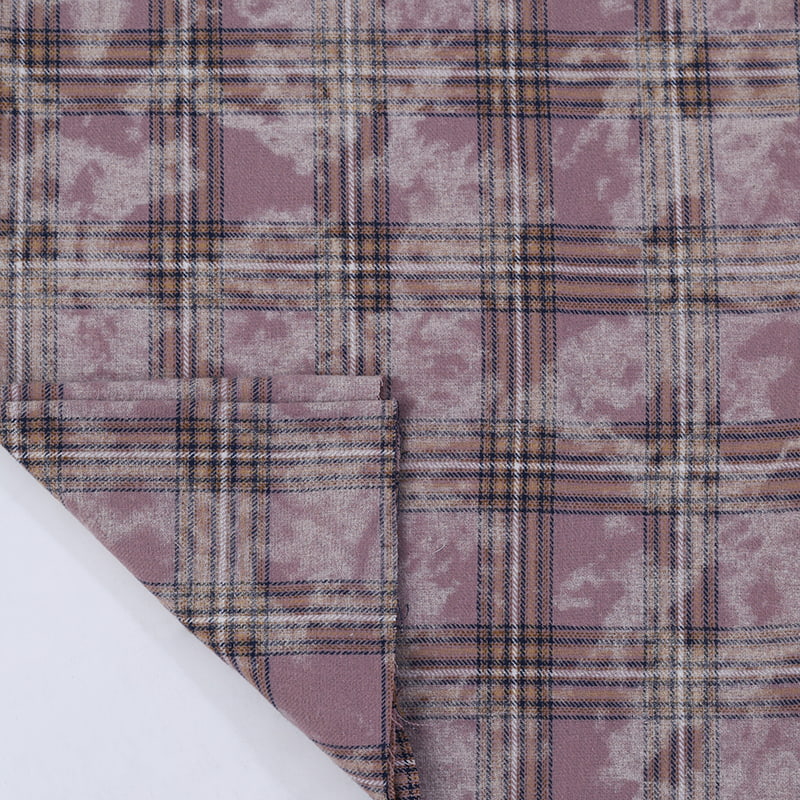
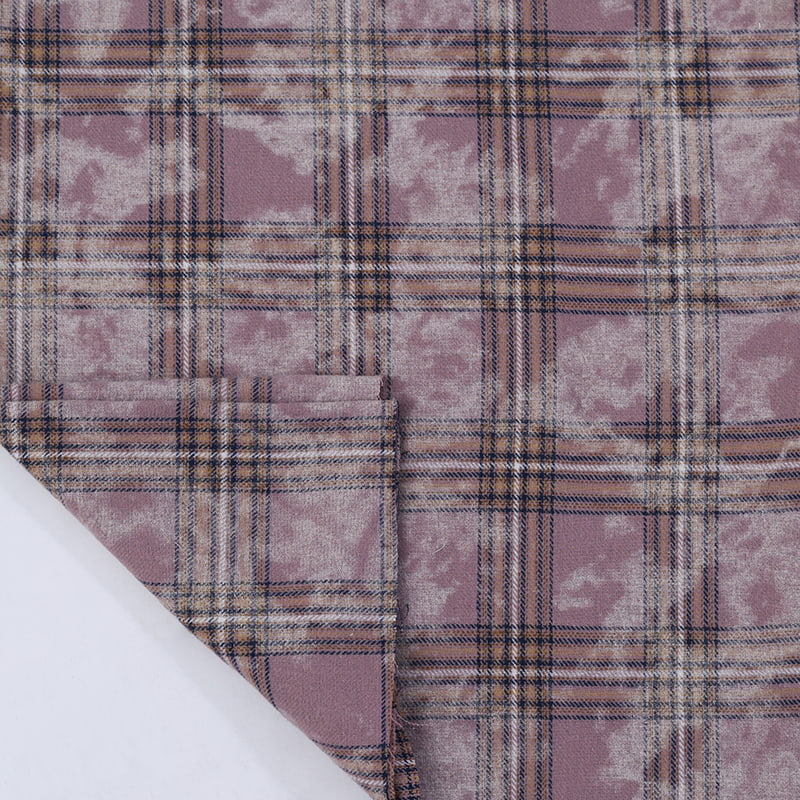
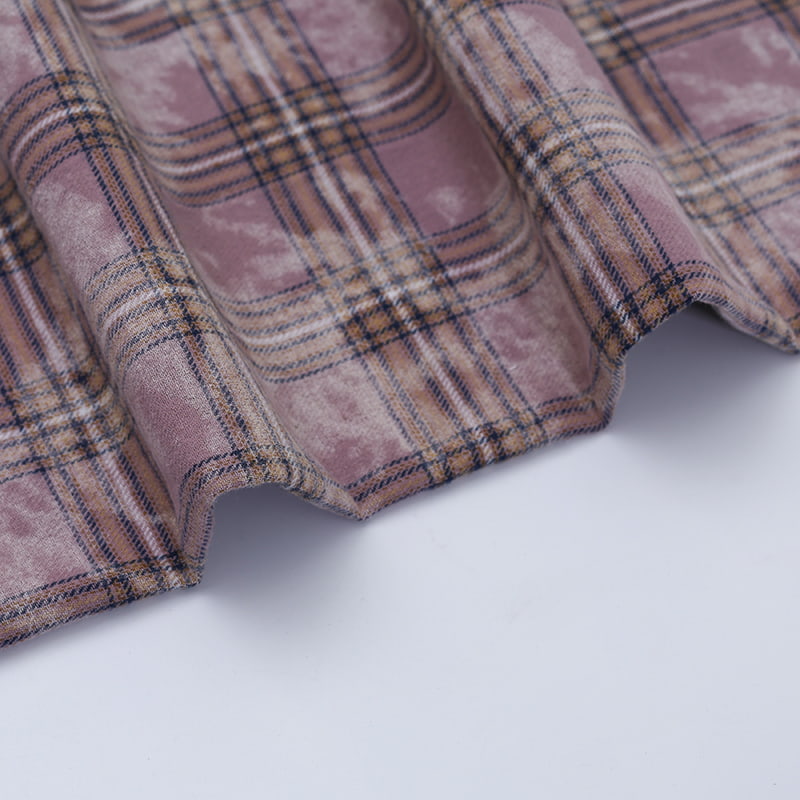
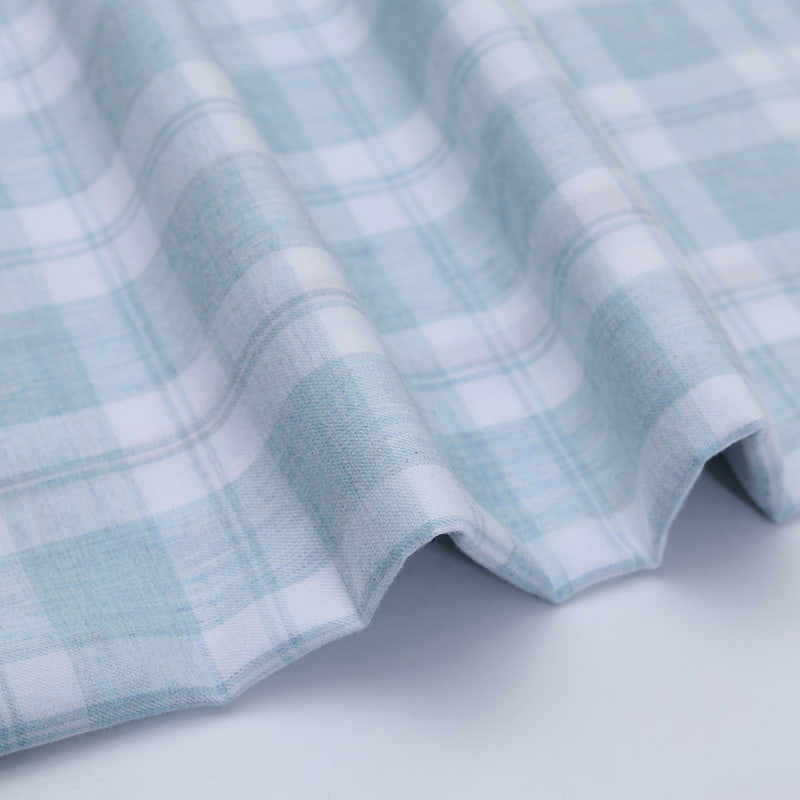
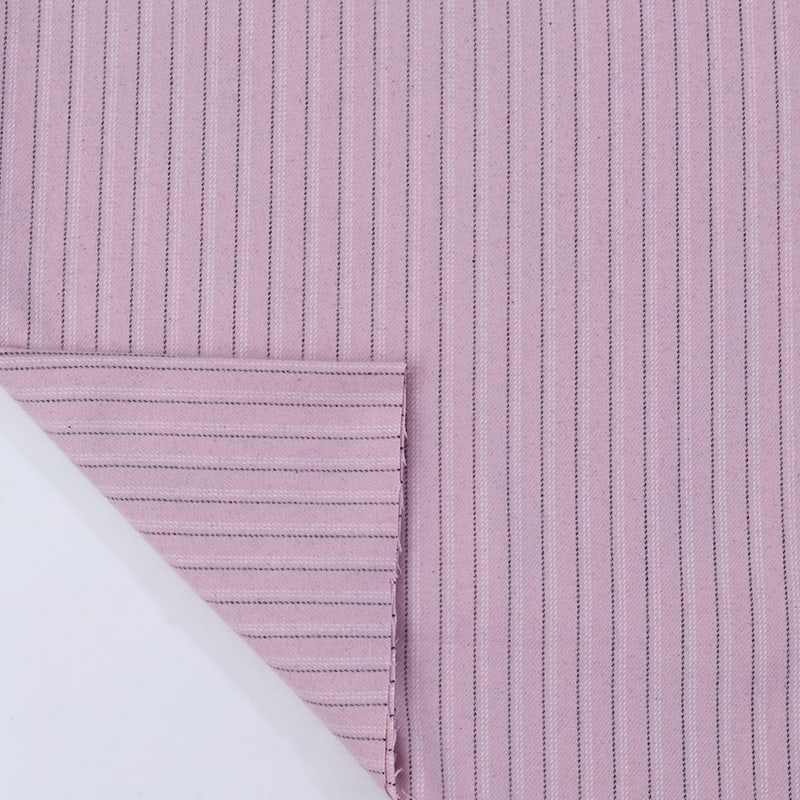
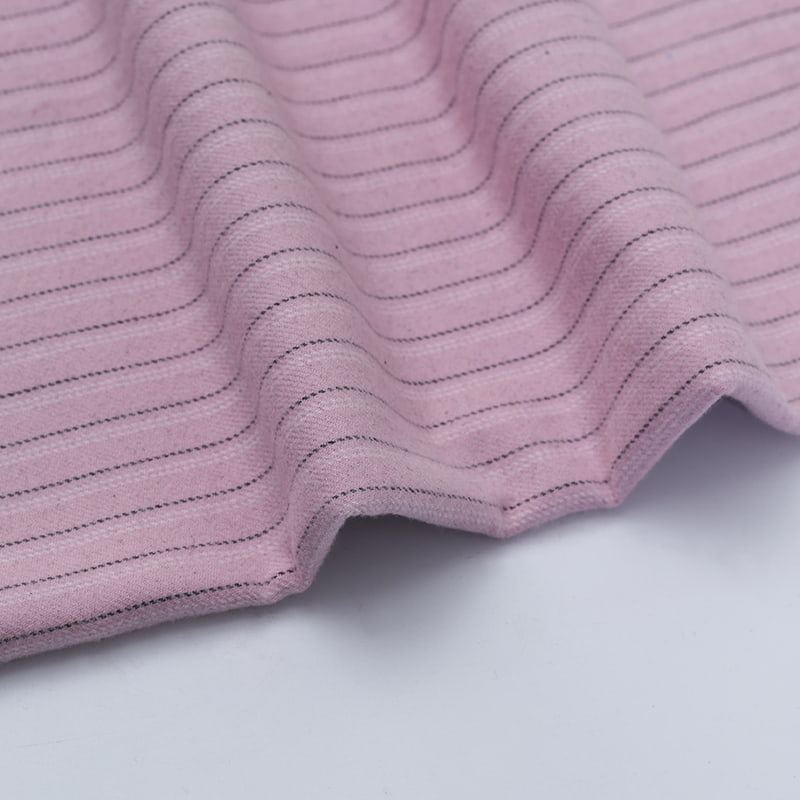
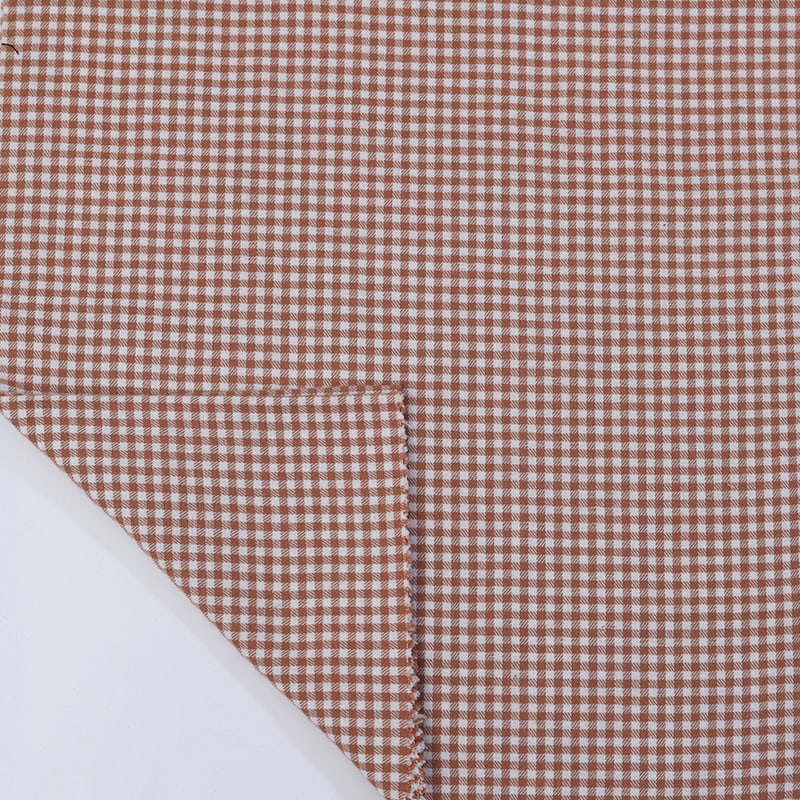
Flannel fabric is a soft fabric typically made of cotton, wool, or synthetic fibers. Its most distinctive feature is the special napping process that creates a fine, velvety texture on the fabric surface. This not only enhances the fabric's feel but also gives it excellent warmth retention. The main characteristics and advantages of flannel fabric include:
Comfort and Softness: One of the most significant characteristics of flannel fabric is its extremely soft and comfortable feel. Due to the napping process, the fabric surface has a fine, velvety structure, making it very warm and soft to the touch. This softness makes flannel an ideal choice for winter clothing (such as shirts, pajamas, blankets, etc.), especially suitable for skin contact, providing a very pleasant wearing experience.
Excellent Warmth Retention: Another significant advantage of flannel is its excellent warmth retention. Due to the presence of its velvety structure, it can better trap air, forming an insulating layer, providing warmth far superior to ordinary plain-weave fabrics. This makes flannel a common material for winter clothing such as thermal shirts, pajamas, and blankets, providing ample warmth even in cold environments.
Breathability and Moisture Absorption: While flannel is primarily designed for warmth, it retains a degree of breathability. Flannel made from natural fibers (such as cotton), in particular, has excellent moisture absorption, effectively absorbing sweat and moisture to keep the wearer dry. This breathability and moisture absorption make flannel suitable not only for cold weather but also for providing comfort in warm indoor environments.
Durability: Flannel fabric is relatively durable, especially after fine processing and the selection of durable fibers, maintaining a good appearance and feel over long-term use. The dense fiber structure of flannel allows it to retain its shape and comfort even after frequent wear or washing.
Wrinkle Resistance and Pilling Resistance: Due to its dense fiber structure and special processing, flannel fabric typically exhibits good wrinkle resistance. Compared to some cotton fabrics, flannel wrinkles less easily and maintains a smooth appearance. Furthermore, high-quality flannel fabrics have a certain degree of pilling resistance, preventing noticeable pilling even after repeated use and extending the fabric's lifespan.
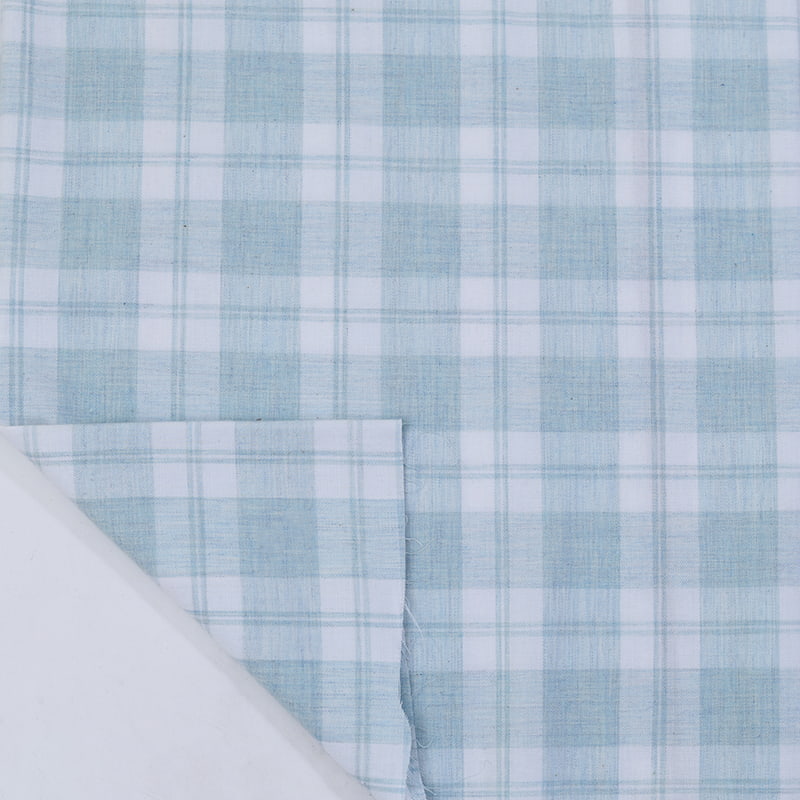
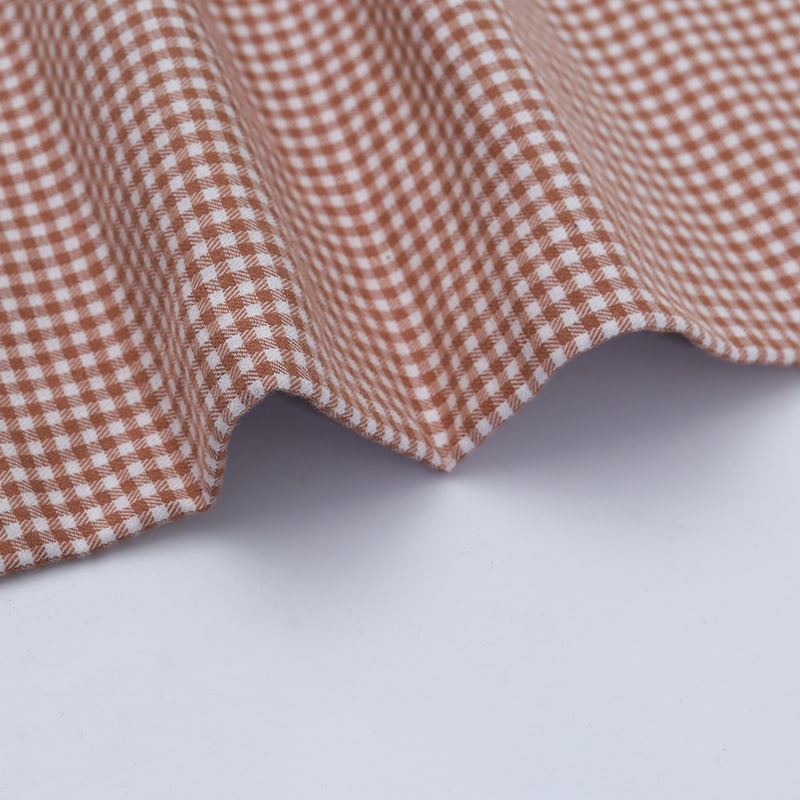
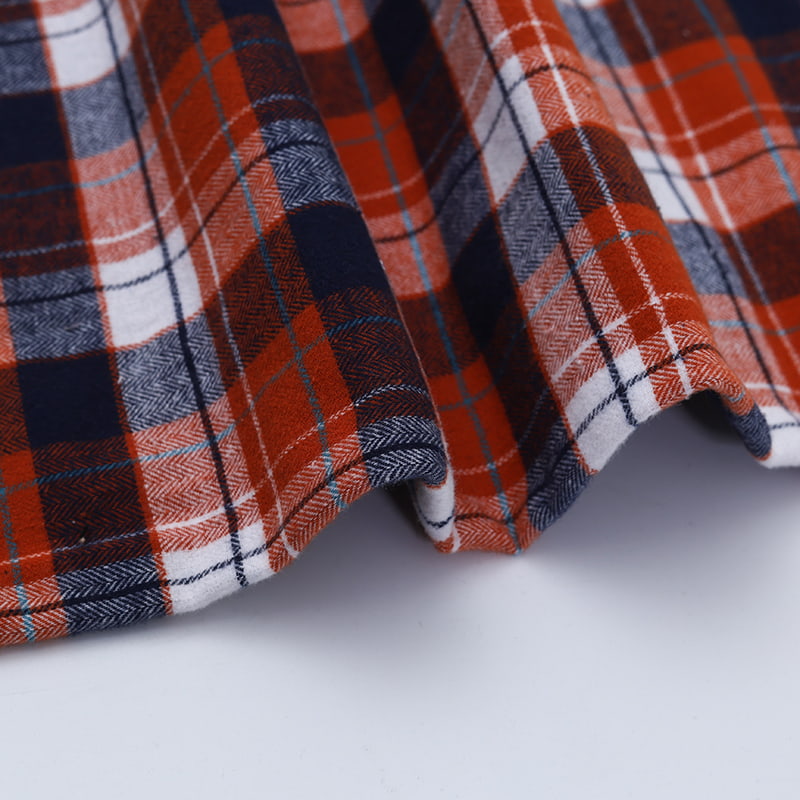
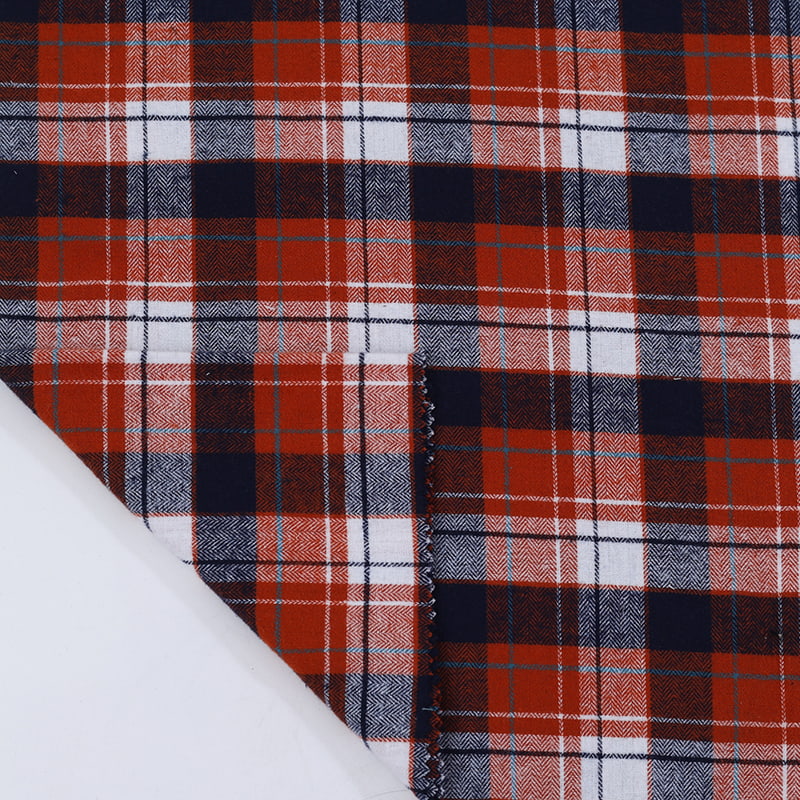
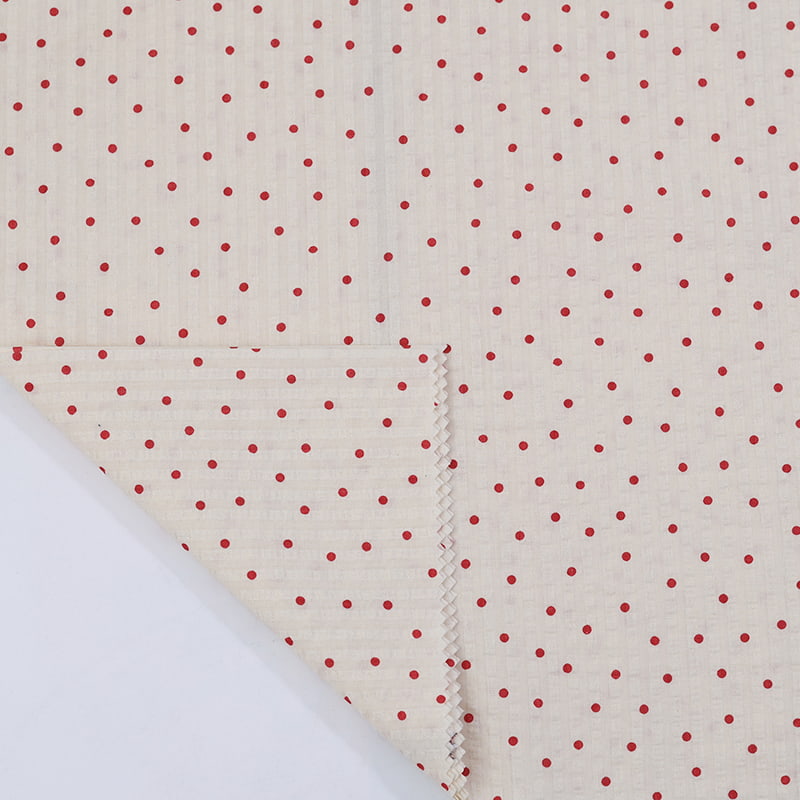
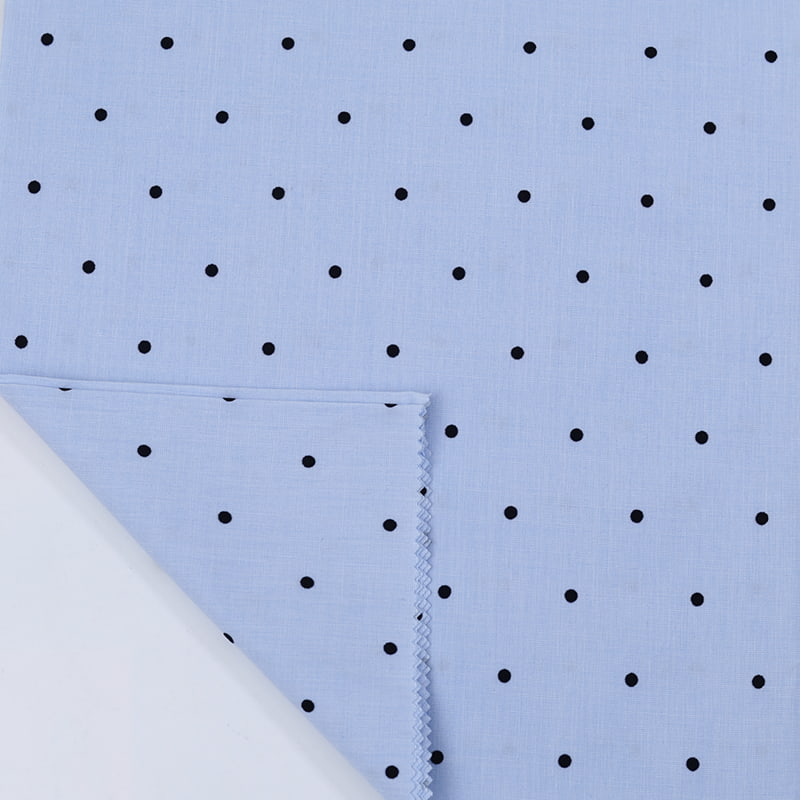
Diverse Styles and Designs: Flannel fabric is often used to manufacture clothing or home furnishings with richly printed patterns. Its surface can be easily dyed or printed with various patterns to meet the diverse color and design needs of consumers. Therefore, flannel fabric not only excels in functionality but also in fashion, making it a common choice for trendy winter items.
Application Scenarios of Flannel Fabric
Flannel fabric, due to its softness, warmth, and comfort, is suitable for various winter clothing and home furnishings.
Winter Clothing
Flannel fabric is widely used in winter clothing, especially in cold climates, where it provides extra warmth. Common applications include:
- Flannel Shirts: Flannel shirts are among the most popular winter garments. They are both comfortable and warm, suitable for everyday casual or work attire. Especially for outdoor activities, flannel shirts offer excellent comfort and breathability.
- Flannel Pajamas: Due to flannel's softness and warmth, it is often used to make pajamas and robes. Flannel pajamas are comfortable to wear, suitable for cold nights, providing effective warmth without irritating the skin.
- Flannel Coats and Jackets: Flannel is also frequently used to make winter coats or jackets. Its warmth and durability make it ideal for cold weather, especially for activities requiring freedom of movement, such as skiing or winter hiking.
Home Furnishings
Flannel's softness and comfort make it a common fabric for home décor and bedding. This includes:
- Blankets and Bedding: Flannel blankets are often used as winter bedding due to their comfortable feel and warmth. They are also commonly used in sofa blankets or shawls, suitable for use in cold weather.
- Sheets and Duvet Covers: Flannel fabric is commonly used in winter bedding, especially duvet covers and sheets. Its softness and warmth make it an ideal choice for sleeping in late autumn and winter.
Baby Products
Due to its softness and skin-friendly nature, flannel is also widely used in baby products. Flannel is used to make baby pajamas, blankets, hats, etc., providing the comfort and warmth that babies need.
Home Decor
Besides bedding, flannel is also used to make some home decorations. For example, flannel curtains and cushions can add a warm atmosphere to a room while also helping to keep warm, especially in cold seasons.
Fashion Accessories
Flannel is also used to make winter accessories such as scarves, gloves, and hats. These accessories not only provide warmth but also contribute to winter fashion due to their unique texture and softness.
Outdoor Sports Gear
In certain outdoor activities, flannel can also be used as a material for inner layer clothing. For example, in ski jackets, mountaineering jackets, and down jackets, flannel's excellent warmth and breathability make it suitable for outdoor sports.
What are the cleaning and maintenance requirements for Flannel Fabric?
Flannel fabric is widely used in winter clothing and home furnishings due to its softness, comfort, and warmth. Proper cleaning and maintenance can not only extend its lifespan but also maintain its excellent performance. Especially for flannel fabrics produced by companies like Nantong Tianzhu Textile Co., Ltd., which emphasize quality control and technological innovation, the high-quality fabric requires special care to maintain its optimal performance.
Quality Control and Technical Assurance of Nantong Tianzhu Textile Co., Ltd.
Nantong Tianzhu Textile Co., Ltd. implements strict quality control at every stage of production to ensure that every batch of flannel fabric meets high standards. From raw material inspection to finished product verification, the company employs a multi-stage quality verification system, including raw material inspection, process monitoring, and final product verification. This system ensures that the flannel fabric achieves ideal comfort, durability, and technical performance upon leaving the factory. Therefore, in daily care, consumers should follow professional cleaning and maintenance standards to extend its excellent fabric performance.
Cleaning Method
To protect the texture and performance of flannel, Nantong Tianzhu Textile Co., Ltd. recommends using gentle washing methods:
- Wash with Warm Water: It is recommended to wash flannel fabrics with warm water between 30°C and 40°C. Excessively hot water may damage the fabric's softness and elasticity, especially in fabrics with a high spandex content (such as some flannel fabrics). High temperatures may cause the fabric to shrink or deform. Gentle washing better preserves the fabric's comfort, especially for high-quality flannel produced by Nantong Tianzhu Textile Co., Ltd., which requires avoiding excessively high water temperatures to maintain its technical performance.
- Mild Detergent: To avoid chemical damage to the fabric, it is crucial to use a mild, bleach-free detergent. Nantong Tianzhu Textile Co., Ltd. is committed to technological innovation and continuously optimizes the durability of its fabrics through research and development; therefore, suitable washing products can better protect the fabric and extend its lifespan.
- Avoid High-Intensity Washing: It is recommended to avoid using strong detergents or bleach, as these products may damage the fiber structure of flannel, affecting its softness and pilling resistance. Especially for flannel manufactured using advanced textile technologies, excessive mechanical friction and chemical components may weaken its elasticity and warmth.
Drying Methods:
For flannel fabrics produced by Nantong Tianzhu Textile Co., Ltd., proper drying methods are also crucial:
- Low-Temperature Drying or Air Drying: High temperatures should be avoided when drying flannel fabrics. High-temperature drying can not only cause shrinkage but also damage its softness and elasticity. Nantong Tianzhu Textile Co., Ltd.'s flannel fabrics undergo strict process control, possessing good durability and structural stability; therefore, low-temperature drying or air drying is the best choice.
- Avoid Direct Sunlight: To maintain the fabric's color and softness, avoid exposing flannel fabrics to strong sunlight, as ultraviolet rays may accelerate fading and affect the fiber structure. Natural or high-tech fabrics, especially those produced by Nantong Tianzhu Textile Co., Ltd., typically have excellent UV resistance; however, excessive sun exposure can still lead to a decline in fabric performance.
Care and Storage
Flannel fabric care goes beyond washing and drying; long-term maintenance also requires attention:
- Avoid Excessive Friction: Flannel fabric is susceptible to friction, so avoid contact with rough surfaces when wearing it. For Nantong Tianzhu Textile Co., Ltd.'s flannel, due to its high density and fine processing, minimizing friction can prevent pilling and maintain the fabric's smoothness and comfort.
- Proper Storage: When not wearing, flannel garments should be stored in a dry, well-ventilated place, avoiding damp environments and compression to prevent fabric deformation or odor development. Proper storage of flannel products can ensure they maintain their good appearance and performance for a long time.
The Impact of Nantong Tianzhu Textile Co., Ltd.'s R&D and Innovation on Flannel Care
Nantong Tianzhu Textile Co., Ltd. invests heavily in continuous technological innovation and R&D, making outstanding contributions, particularly in optimizing the weight-to-strength ratio of fabrics and advanced bonding technologies. These innovations enable their flannel fabrics to not only possess excellent comfort and warmth but also enhanced resistance to aging and abrasion. Therefore, by following proper washing, drying, and storage methods, consumers can maintain the fabric's high performance and ensure it remains like new.


 English
 中文简体
中文简体 Español