English
 中文简体
中文简体 Español
Oxford Fabric Delivers Durable, Versatile Performance Across Apparel and Industrial Uses
Oxford fabric, including Oxford cloth fabric and plain Oxford fabric, is widely valued for its durability, breathable structure, and adaptability in both fashion and industrial applications. Originally developed for shirting materials, it has evolved into a multi-purpose textile used in bags, uniforms, upholstery, and outdoor gear.
Its unique basket-weave structure gives it a balance of strength and softness, making it suitable for products that require long-term durability without sacrificing comfort or appearance.
Structure and Characteristics of Oxford Cloth Fabric
Basket Weave Construction
Oxford cloth fabric is typically woven using a basket weave structure, where multiple yarns are interlaced to form a stronger and more flexible textile surface. This structure improves tear resistance and enhances fabric stability.
Soft Yet Durable Texture
Despite its strength, Oxford fabric maintains a relatively soft hand feel, especially in finer yarn variations used in apparel applications such as shirts and casual wear.
Breathability and Comfort
The weave structure allows moderate airflow, making it comfortable for daily wear. It performs well in both warm and moderate climates due to its balanced density.
Moisture and Stain Resistance Options
Modern Oxford cloth fabrics are often treated with coatings such as PU or water-repellent finishes, improving their resistance to moisture and stains for outdoor applications.
Types of Oxford Fabric and Their Differences
Oxford fabric is not a single material but a family of textile variations, each suited to specific applications:
Plain Oxford Fabric
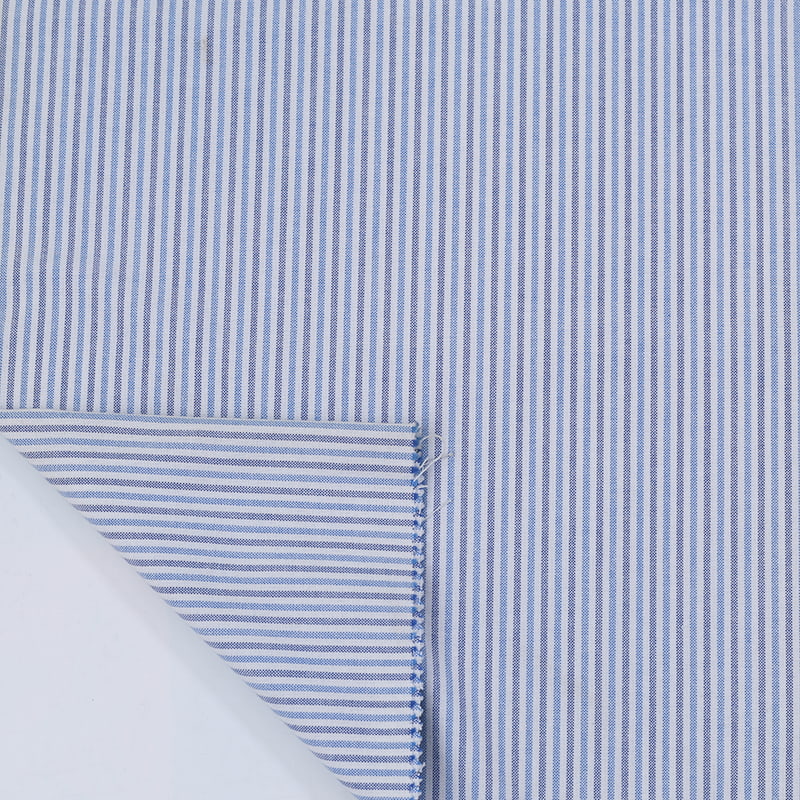
Plain Oxford fabric is the simplest form, using a basic weave pattern. It is lightweight and commonly used in shirts and casual clothing due to its soft texture.
Pinpoint Oxford Fabric
Pinpoint Oxford uses finer yarns, creating a smoother surface and more refined appearance. It is often used in business shirts and semi-formal apparel.
Royal Oxford Fabric
Royal Oxford features a more complex weave that produces a subtle sheen and luxurious feel. It is considered the premium category within Oxford textiles.
Ballistic Oxford Fabric
Ballistic Oxford is a heavy-duty version designed for backpacks, luggage, and protective gear. It offers superior abrasion resistance and structural integrity.
Performance Comparison of Oxford Fabric Types
| Type | Durability | Comfort | Common Use |
|---|---|---|---|
| Plain Oxford Fabric | Moderate | High | Casual shirts |
| Pinpoint Oxford | High | High | Business shirts |
| Royal Oxford | Very High | High | Premium apparel |
This comparison highlights how Oxford fabric variations are engineered to balance aesthetics, comfort, and strength across different markets.
Industrial and Consumer Applications
Oxford fabric is widely used in both consumer and industrial sectors:
- Shirts and fashion apparel
- School uniforms and workwear
- Backpacks, luggage, and travel gear
- Outdoor tents and protective covers
- Furniture upholstery and decorative textiles
In the backpack industry, for example, ballistic Oxford fabric is preferred because it can withstand abrasion levels exceeding 20,000–30,000 Martindale cycles, ensuring long-term durability.
Manufacturing Process of Oxford Fabric
Yarn Selection and Preparation
Cotton, polyester, or blended yarns are selected depending on the intended application, influencing texture and performance.
Weaving Process
The basket weave structure is formed using multiple warp and weft yarns, enhancing fabric strength and flexibility.
Finishing Treatments
Finishing processes such as dyeing, coating, and waterproofing improve durability, color retention, and functional performance.
Durability and Maintenance Considerations
Oxford fabric is known for its low-maintenance characteristics:
- Machine washable in most applications
- Resistant to pilling and tearing
- Quick drying due to fiber structure
- Requires minimal ironing depending on blend
Polyester-blended Oxford fabrics typically extend product lifespan by 30–50% compared to pure cotton versions.