English
 中文简体
中文简体 Español
Understanding TC/CVC Blended Fabric in Modern Textile Applications
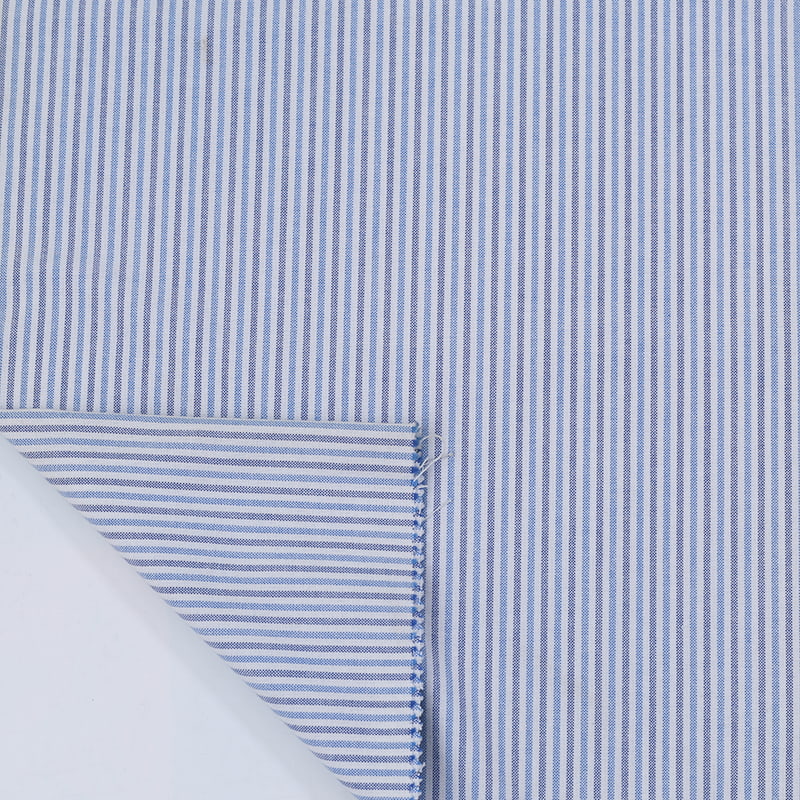
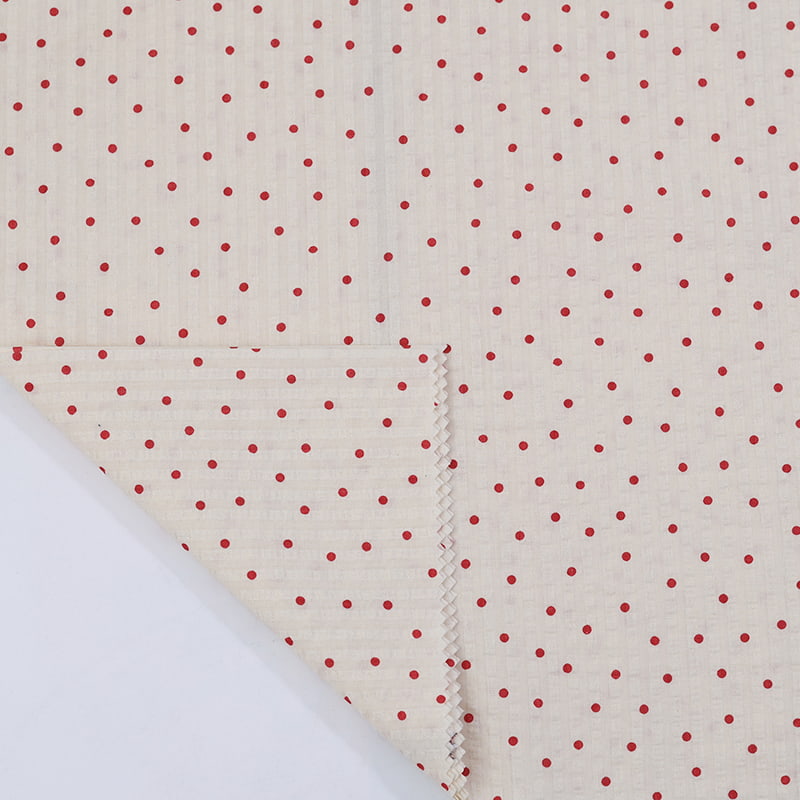
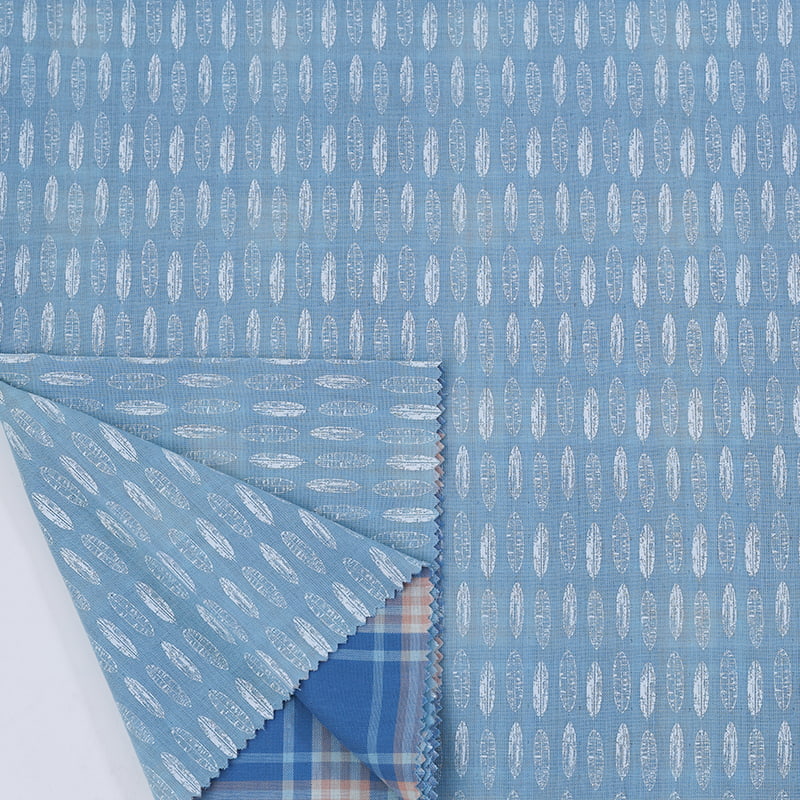
TC/CVC blended fabric is widely used in the global textile and apparel industry because it balances comfort, durability, and cost efficiency. In practical terms, TC (Tetron Cotton) and CVC (Chief Value Cotton) fabrics combine polyester and cotton fibers to create materials that are stronger, more stable, and easier to maintain than pure cotton fabrics.
TC fabric typically contains a higher percentage of polyester, while CVC fabric contains a higher percentage of cotton. This difference directly affects texture, breathability, and performance, allowing manufacturers to select the most suitable blend for specific end uses such as uniforms, shirts, bedding, and industrial textiles.
Material Composition and Structural Differences
TC Fabric Composition
TC fabric is generally composed of around 65% polyester and 35% cotton. This higher polyester ratio gives it strong mechanical properties, including wrinkle resistance and dimensional stability. It is widely used in applications where durability and easy maintenance are prioritized.
CVC Fabric Composition
CVC fabric typically contains about 60% or more cotton, with the remainder being polyester. This composition provides a softer hand feel and improved breathability compared to TC fabric. It is often chosen for garments that require comfort during long-term wear.
The key distinction is simple: TC emphasizes durability and cost efficiency, while CVC prioritizes comfort and cotton-like feel.
Key Performance Advantages of TC/CVC Blends
Durability and Strength
Polyester fibers in both TC and CVC fabrics significantly enhance tensile strength. Compared to 100% cotton fabrics, TC/CVC blends can improve tear resistance by 30–60% depending on weave density, making them suitable for heavy-use applications such as uniforms and workwear.
Wrinkle Resistance and Shape Retention
One of the most valued properties of TC/CVC fabrics is their ability to maintain structure. Polyester helps reduce fiber deformation, meaning garments require less ironing and maintain a cleaner appearance even after repeated washing.
Breathability and Comfort Balance
While polyester enhances durability, cotton ensures moisture absorption and breathability. CVC fabrics, with higher cotton content, are especially popular in hot climates where airflow and skin comfort are important.
Comparison Between TC and CVC Blended Fabric
| Feature | TC Fabric | CVC Fabric |
|---|---|---|
| Fiber Ratio | Higher polyester (≈65%) | Higher cotton (≥60%) |
| Hand Feel | Slightly stiff, structured | Soft and breathable |
| Wrinkle Resistance | High | Moderate |
| Durability | Very high | High |
| Main Application | Workwear, uniforms | Casual wear, shirts |
This comparison highlights how manufacturers choose between TC and CVC depending on whether durability or comfort is the priority.
Applications Across Different Industries
Apparel and Fashion Industry
TC/CVC fabrics are widely used in shirts, uniforms, and casual wear. TC fabrics are preferred for structured clothing, while CVC fabrics are used for breathable everyday garments.
Hospitality and Work Uniforms
Hotels, restaurants, and service industries often choose TC fabrics because they are easy to wash, quick-drying, and resistant to deformation after frequent laundering cycles.
Home Textiles
In bedding and home textiles, CVC blends are commonly used due to their softness and comfort. They offer a cotton-like feel while maintaining better durability than pure cotton fabrics.
Manufacturing Process and Quality Control
Weaving and Blending Techniques
TC/CVC fabrics are produced through ring spinning or rotor spinning processes, followed by weaving techniques such as plain weave or twill weave. The weaving density directly impacts durability and fabric texture.
Dyeing and Finishing
High-temperature dyeing ensures color fastness and uniformity. Finishing treatments such as mercerization or softening are applied to improve appearance and feel.
Quality Standards
Manufacturers often test TC/CVC fabrics for shrinkage rate, tensile strength, and color fastness. A high-quality fabric typically maintains shrinkage below 3% after multiple washes.
Market Trends and Industry Demand
Global demand for TC/CVC blended fabrics continues to grow due to their balance of cost and performance. Rising labor costs in textile finishing have also increased demand for wrinkle-resistant and low-maintenance fabrics.
Industry data shows that blended fabrics account for more than 50% of woven apparel materials in mass production markets, with TC and CVC being the most widely adopted combinations.
As fashion and industrial textile requirements evolve, TC/CVC fabrics are expected to remain a core material category due to their adaptability across multiple applications.