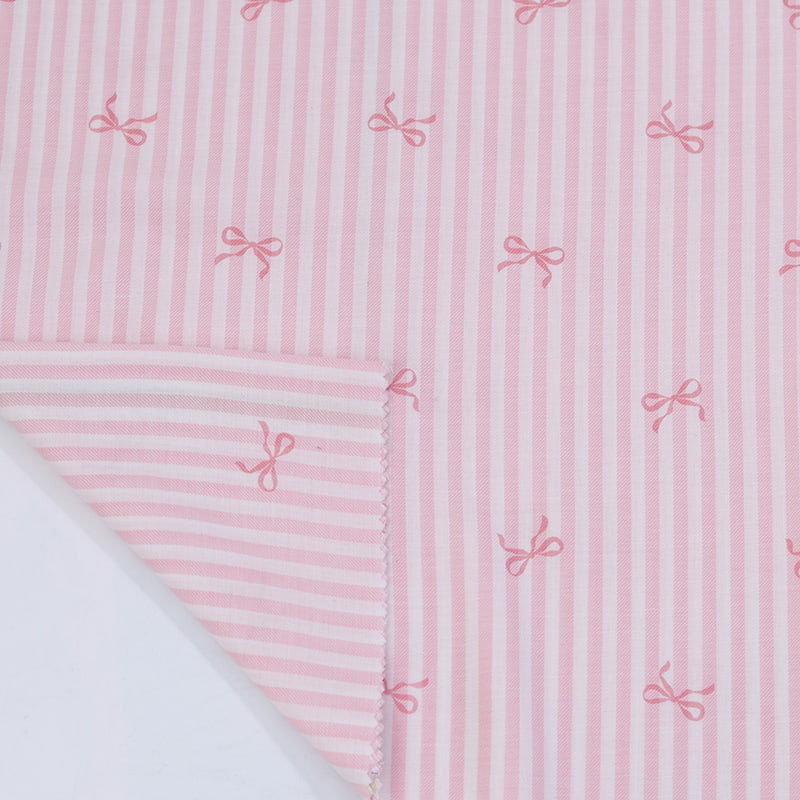
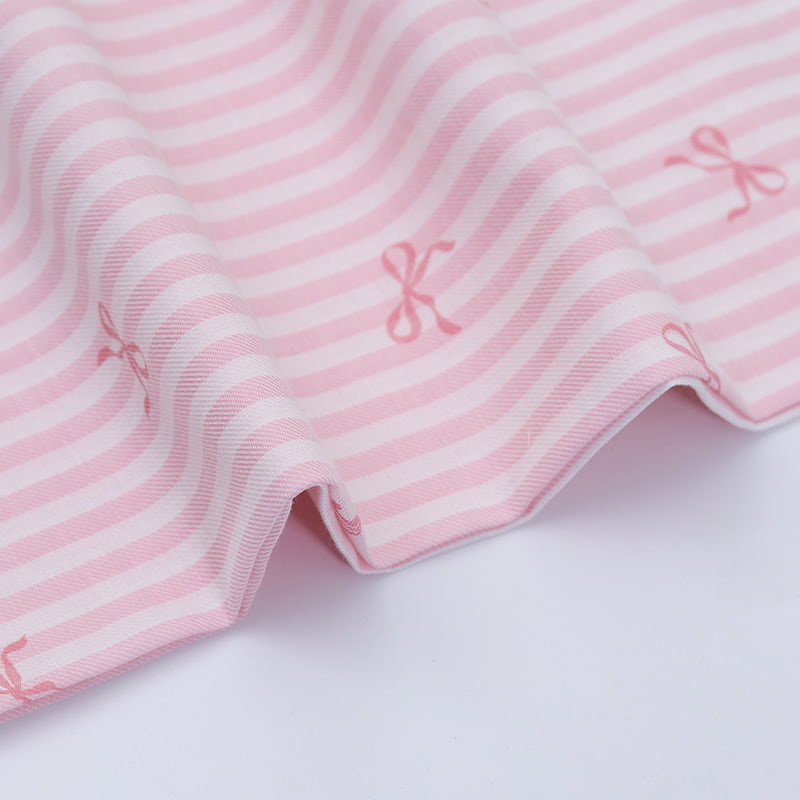
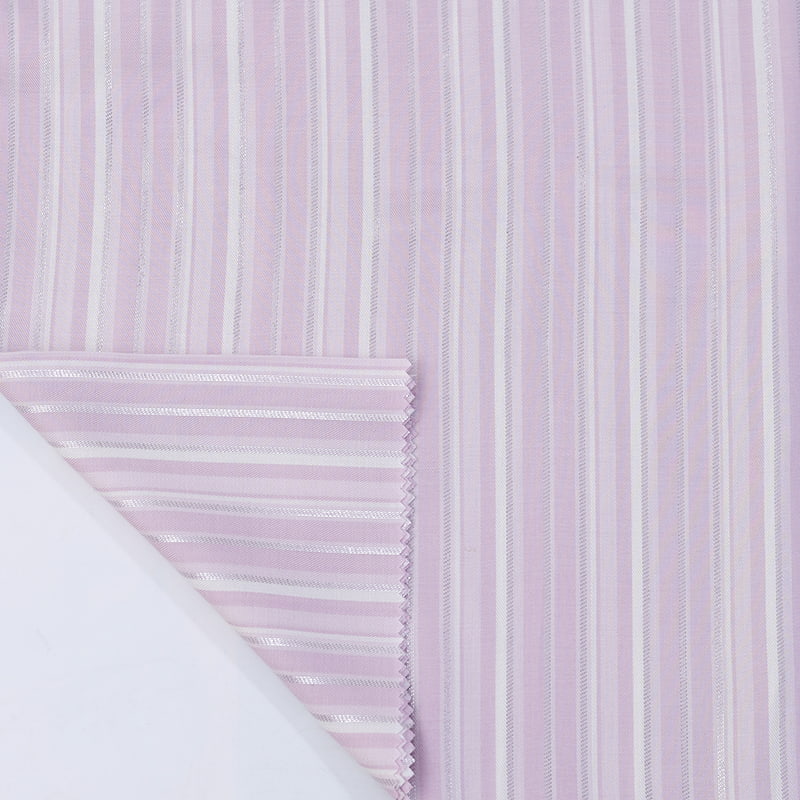
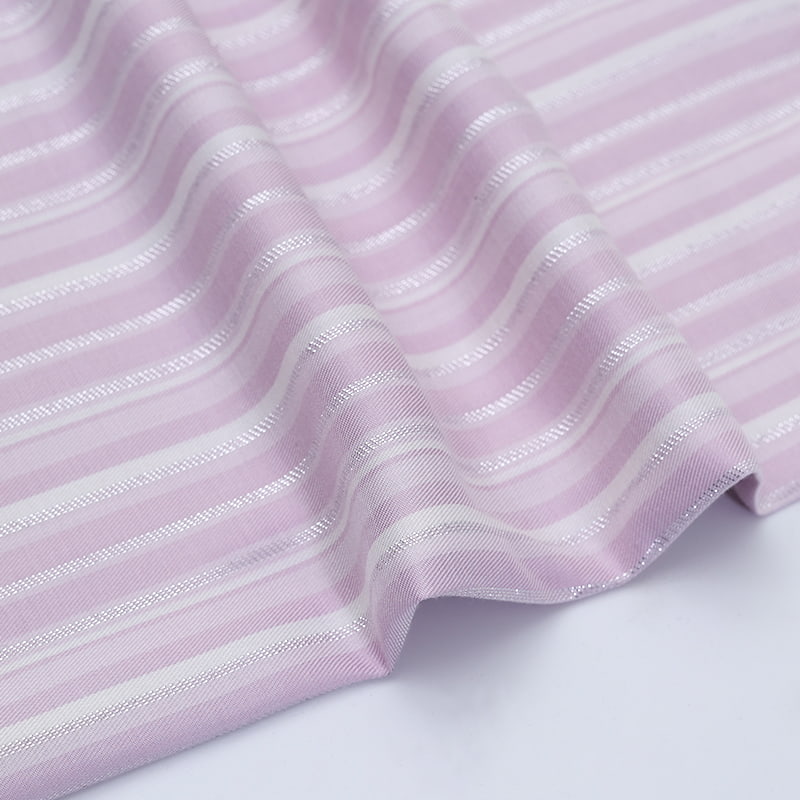
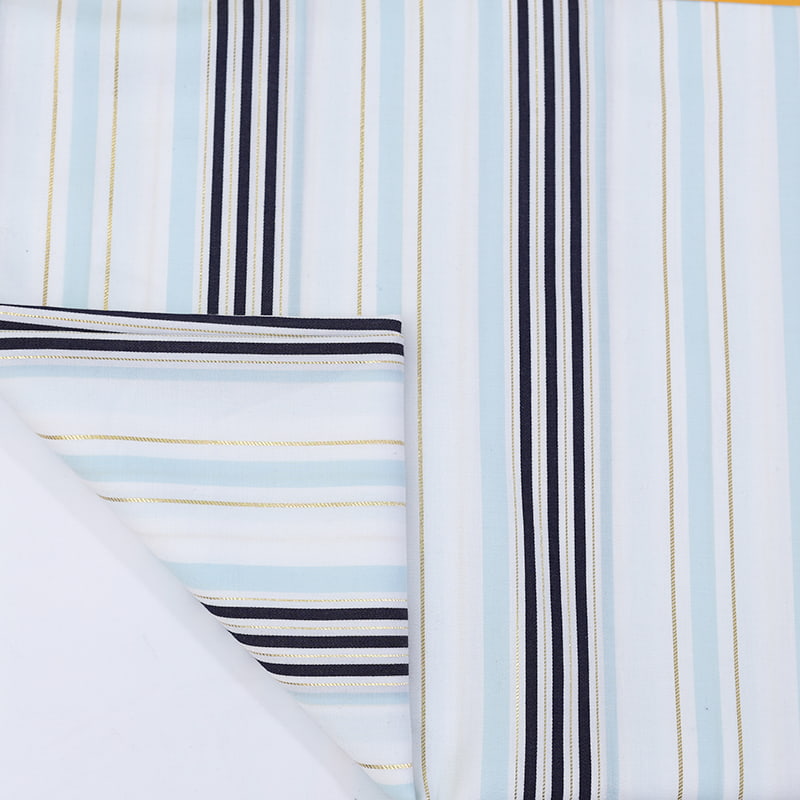
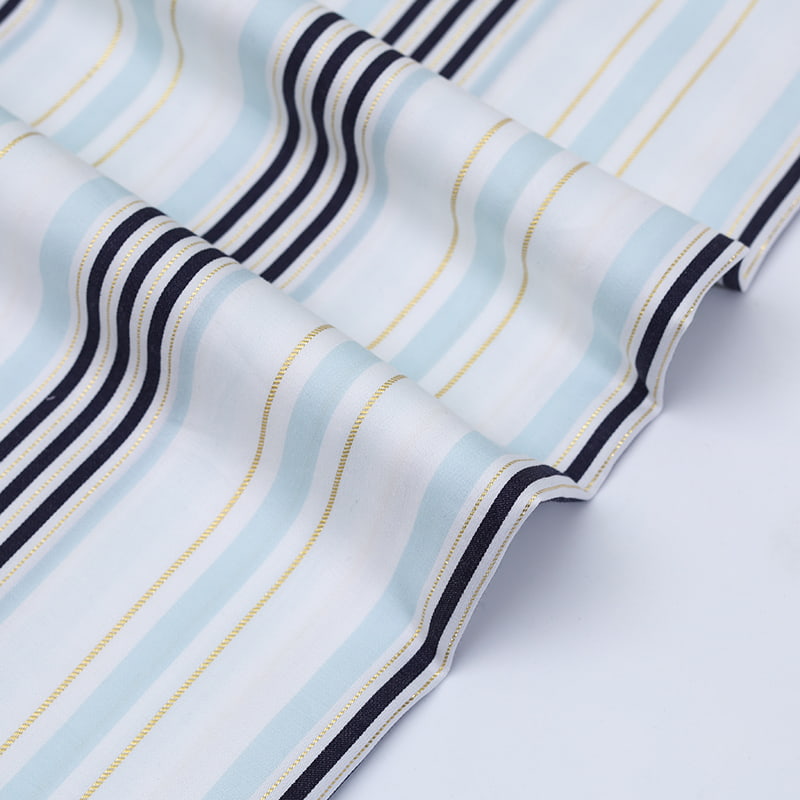
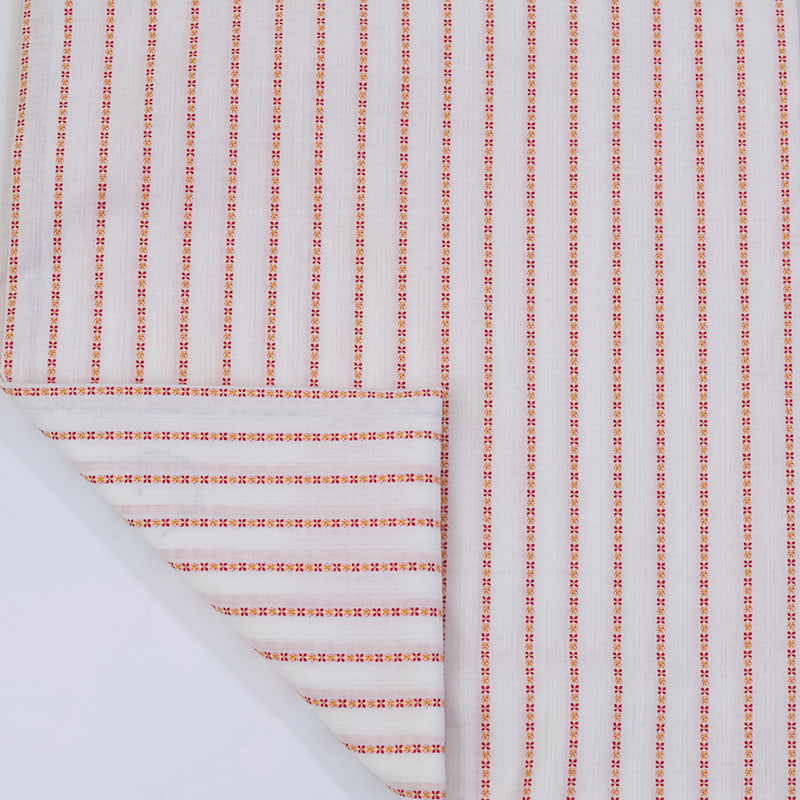
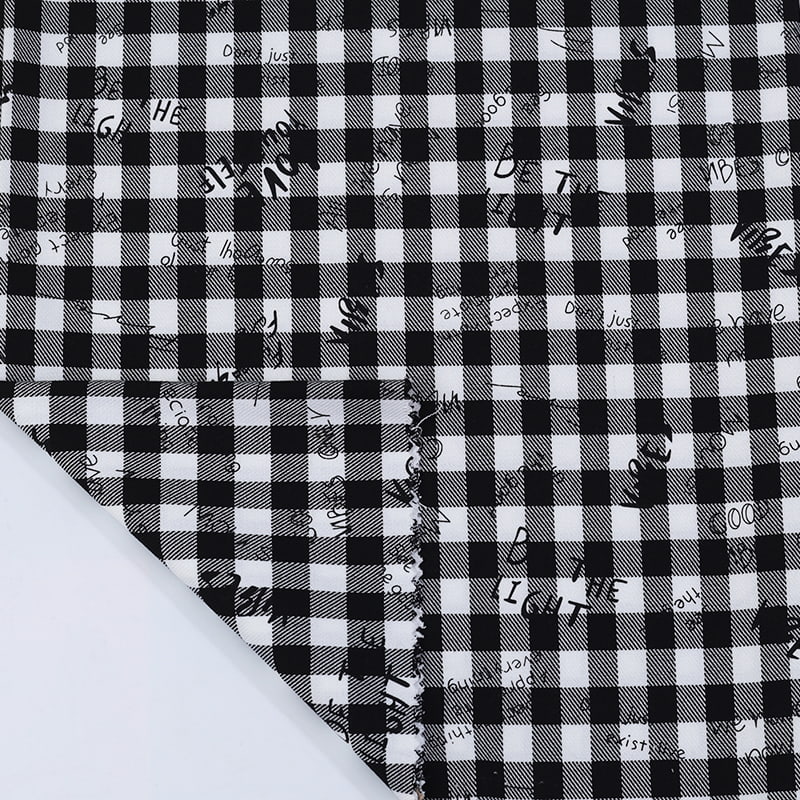
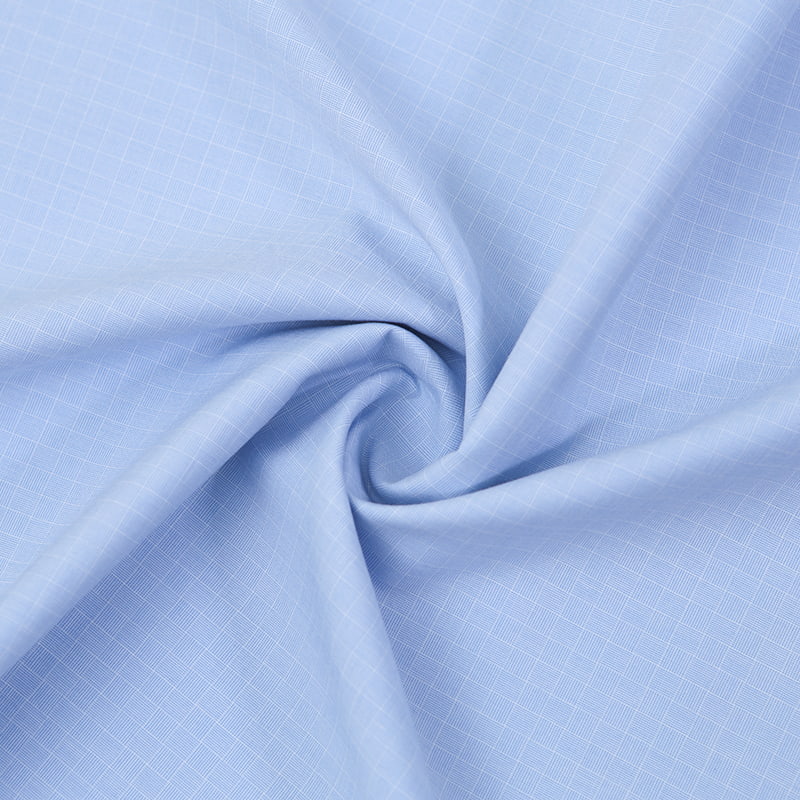
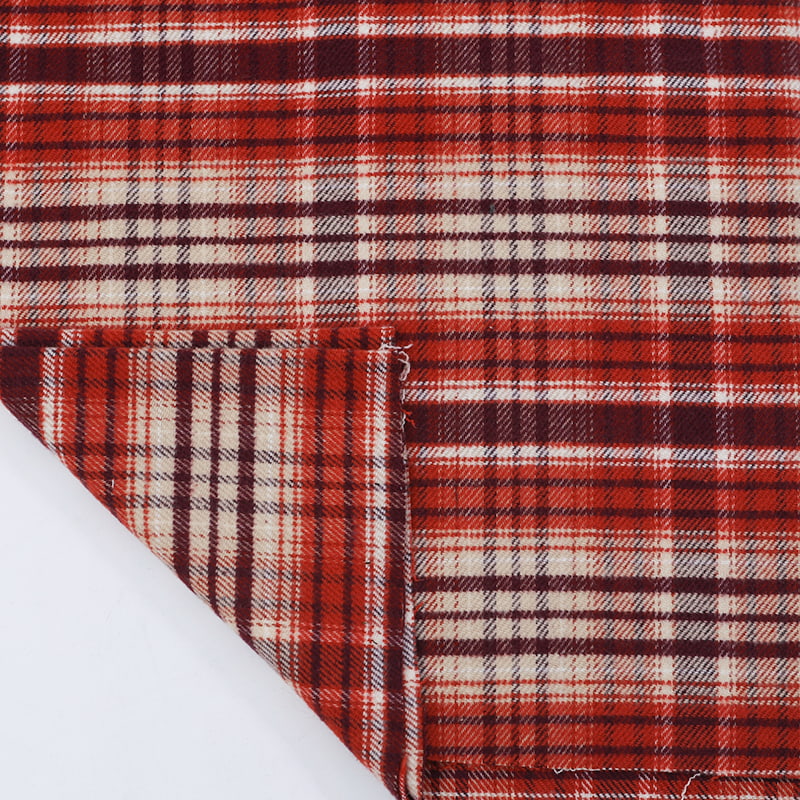
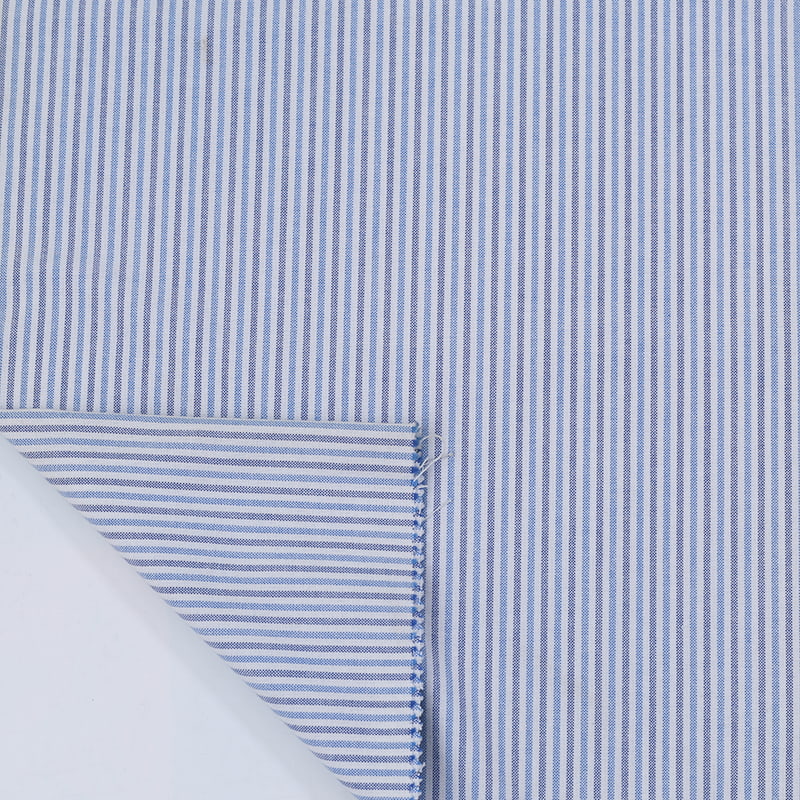
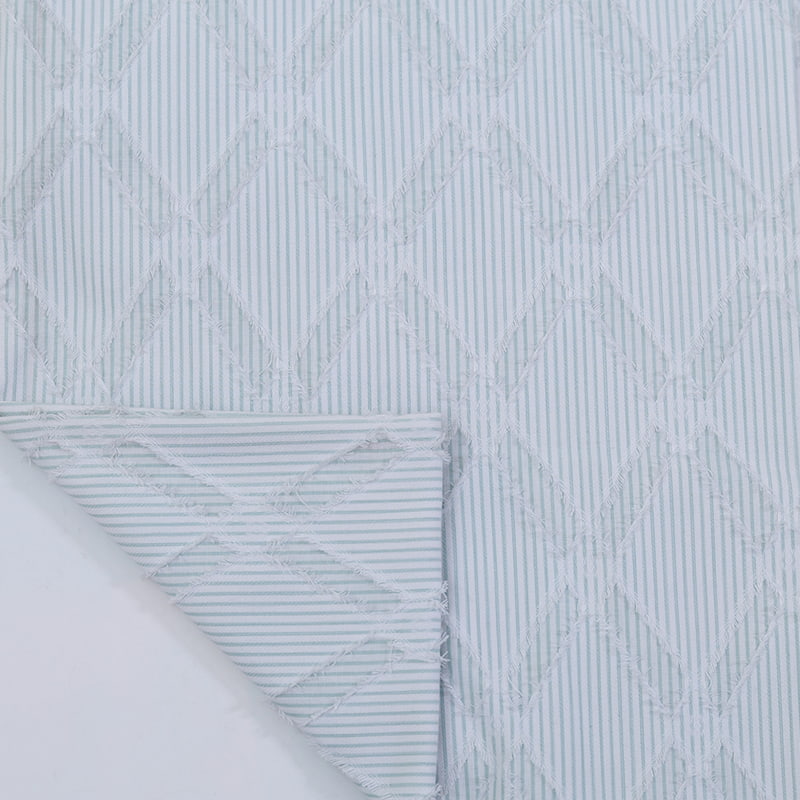
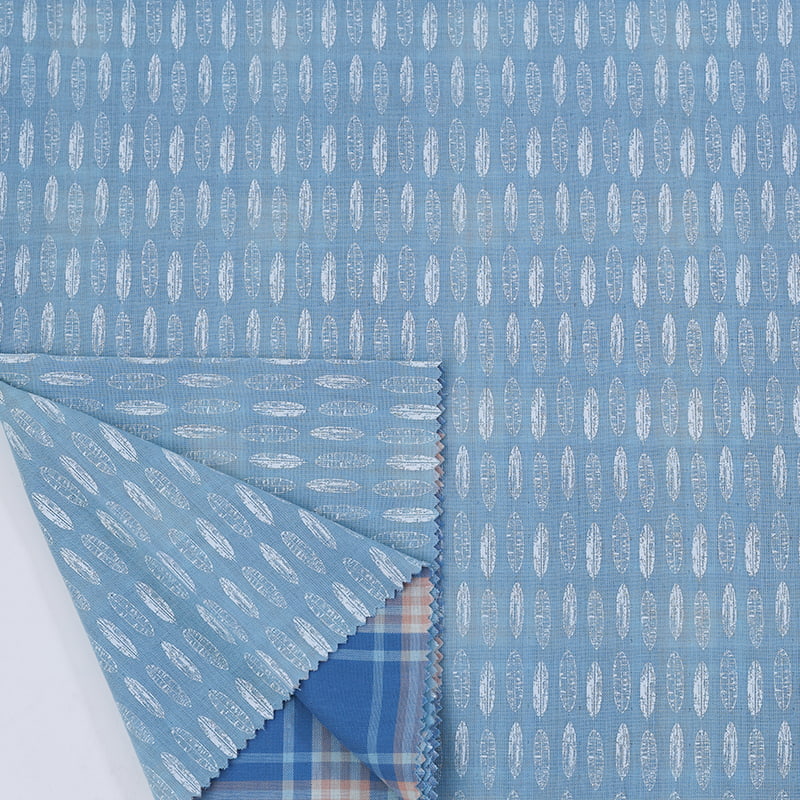
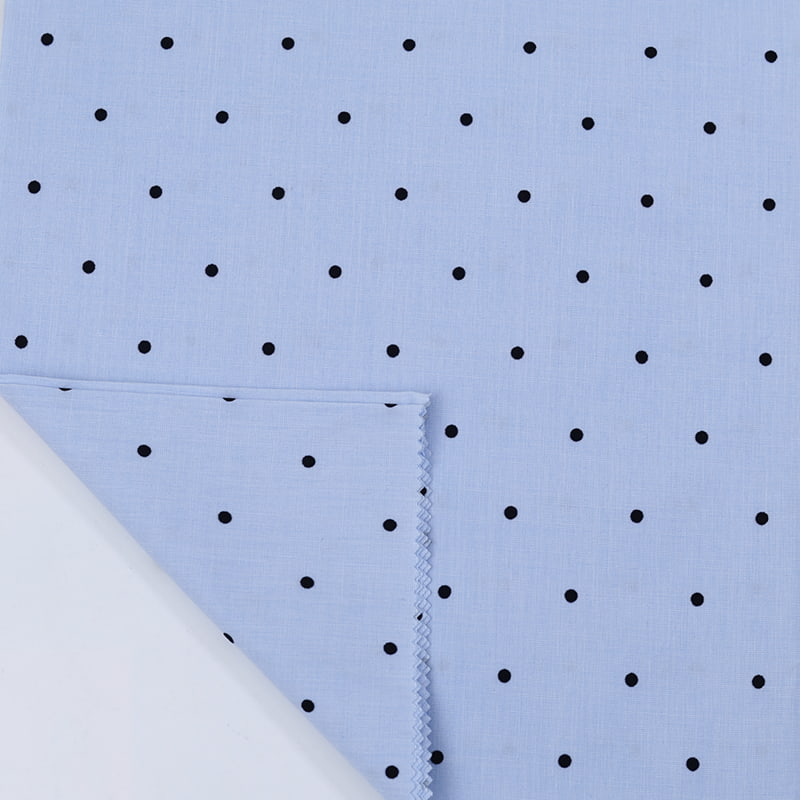
Viscose fabric, often known as rayon or artificial silk, is a semi-synthetic fiber that combines the best properties of natural and synthetic materials, offering a smooth texture and luxurious feel. It is soft, breathable, and known for its draping ability. As environmental awareness increases, more brands and manufacturers are focusing on the production process of viscose and its environmental impact. As a leading textile manufacturer, Nantong Tianzhu Textile Co., Ltd understands the importance of innovation and sustainability, and we are committed to providing high-quality and eco-friendly viscose fabrics to our global customers. We continuously explore new applications and developments of viscose fabric in the modern textile industry.
1. What is Viscose Fabric?
Viscose fabric is a semi-synthetic fiber made from regenerated cellulose, which is derived from natural plant fibers like wood pulp, bamboo pulp, or cotton. The production process involves dissolving the cellulose into a liquid form, which is then spun into fibers and woven into fabric. Although viscose fabric shares many characteristics with natural fibers, its production involves chemical treatment, classifying it as a semi-synthetic fiber.
One of the key advantages of viscose fabric is its comfort. Compared to natural fibers, viscose is softer and has a silky texture, while also being highly absorbent and moisture-wicking, making it ideal for hot weather. Additionally, viscose fabric drapes beautifully, creating elegant, flowing silhouettes in garments, making it a popular choice for dresses, blouses, and other fashion items.
Viscose fabric does have some drawbacks. It is prone to fading and damage more easily than some other fabrics, which requires special care when washing. Additionally, viscose tends to wrinkle easily and requires extra attention during wear and care.
As part of Nantong Tianzhu Textile Co., Ltd, we are dedicated to the research and production of high-quality viscose fabrics. Our company focuses on meeting market demands while adhering to the highest quality standards. With state-of-the-art production facilities and a professional team, we ensure that each batch of viscose fabric we produce meets strict quality controls.
2. The Production Process of Viscose Fabric
The production process of viscose fabric involves several important steps, each of which contributes to the final quality and characteristics of the fabric. Here’s a closer look at the production stages:
-
Selection of Raw Materials and Extraction of Cellulose: The production of viscose fabric begins with the selection of plant-based raw materials, such as wood pulp, bamboo pulp, or cotton pulp. These materials are processed to extract cellulose, which serves as the foundation for the subsequent chemical treatment. The cellulose is carefully cleaned to remove impurities before it enters the next step in the production process.
-
Preparation of Viscose Solution: The cellulose is chemically treated with sodium hydroxide and carbon disulfide to form a viscous yellowish liquid known as “viscose.” This step dissolves the cellulose into a soluble form, ready to be spun into fibers. The viscose solution is carefully filtered to remove any impurities, ensuring the quality of the final fibers.
-
Spinning and Solidification: The viscose solution is extruded through a spinneret, a device with many tiny holes, into a bath of sulfuric acid, which solidifies the fibers. These fibers are then washed in water to remove excess chemicals before being dried.
-
Fiber Finishing and Dyeing: After the viscose fibers are thoroughly washed and dried, they may be bleached, dyed, and further processed to achieve the desired texture and color. Dyeing is often done using eco-friendly dyes to ensure vibrant and long-lasting colors.
As a manufacturer at Nantong Tianzhu Textile Co., Ltd, we strive for excellence at every stage of the production process. By introducing advanced technology and equipment, we are able to produce high-quality, stable, and eco-friendly viscose fabrics that meet the growing demand for sustainable products in the market.
3. Environmental Impact and Sustainability of Viscose Fabric
Although viscose fabric is made from natural cellulose, its production process can have a significant environmental impact due to the chemicals and resources involved. Traditional viscose production methods often release harmful chemicals such as carbon disulfide, which can pollute nearby water sources and the air if not properly controlled. As such, the traditional production of viscose faces challenges related to pollution and resource waste.
With growing environmental awareness, many companies are investing in greener production technologies. Nantong Tianzhu Textile Co., Ltd is actively promoting the sustainable development of viscose fabric. We have implemented closed-loop production systems to reduce chemical waste and emissions, ensuring a more eco-friendly production process. Furthermore, we focus on sourcing sustainable raw materials, such as wood pulp or bamboo pulp from renewable resources, to minimize deforestation and environmental degradation.
Currently, the environmental sustainability of viscose fabric is a major focus of the industry. Newer generations of eco-viscose fibers, such as Lyocell, are produced with fewer chemicals and use more efficient water recycling systems. Compared to traditional viscose, Lyocell production has a smaller environmental footprint and offers a more sustainable option for modern consumers.
As part of the textile industry, Nantong Tianzhu Textile Co., Ltd is committed to upholding environmentally-friendly and sustainable practices in all of our operations. We continuously optimize our production processes to reduce our environmental impact and provide customers with eco-conscious viscose fabrics that meet international sustainability standards.


 English
 中文简体
中文简体 Español